
Define CNC machining specifications for accurate
In CNC machining, accuracy is crucial. To ensure that your product meets the required standards, the specifications must be carefully defined. In this article, we will dig into the world of CNC machining and explore the key factors that affect accuracy.
Understand CNC machining
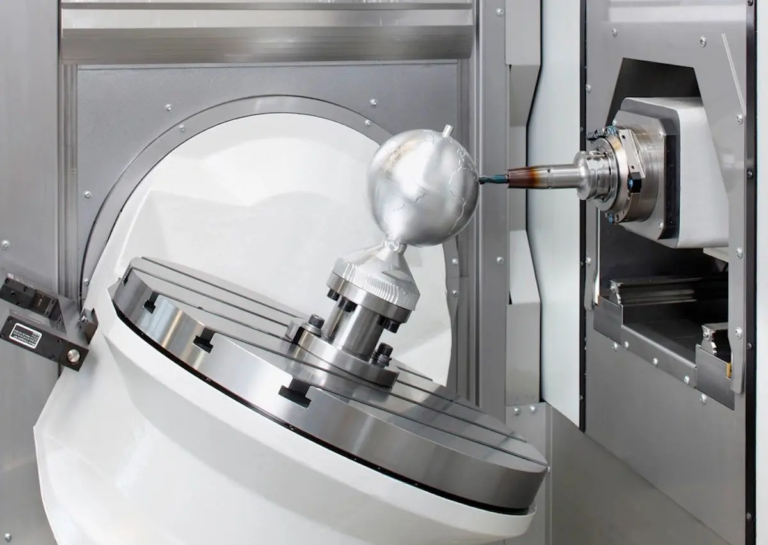
CNC (Computer Numerical Control) Processing Use computer-controlled machines to remove materials from workpieces using cutting tools. This process is often used in manufacturing, tool manufacturing and other industries where accuracy is critical. With CNC machining, you can achieve complex and complex designs with high precision.
Key factors affecting accuracy
Material selection: The type of material used for your project has a significant impact on accuracy. Different materials have unique properties such as density, stiffness and thermal conductivity that may affect the processing process. Choosing the right material for your project is essential to achieve the desired accuracy.
Material hardness: Material hardness is another key factor affecting accuracy. Harder materials can be more challenging to the machine, thus reducing accuracy. On the other hand, soft materials may require more machine force, which may cause increased vibration and reduce accuracy.
Processing speed and feeding speed: The speed of the cutting tool and the feed speed will greatly affect the accuracy. Slower speeds and higher feed rates can provide better results, but this may increase production time and cost. Conversely, faster speeds and lower feed speeds may reduce production time and cost, but may compromise accuracy.
Choice of cutting tools: The type and quality of the cutting tool used can significantly affect the accuracy. Boring or poorly maintained cutting tools can reduce accuracy, while sharp and high-quality tools can produce accurate results.
Coolant and lubrication: Enough coolant and lubrication can reduce heat and wear on the cutting tool, thereby improving accuracy. Inadequate cooling and lubrication can lead to poor surface effects and reduced accuracy.
Workspace and clamping: A well-designed workspace and an effective clamping system ensure stable and safe workpiece holding during machining, which is crucial for accuracy.
Operator training and experience: The operator’s skills and experience are the basic factors in achieving accuracy. Trained and experienced operators can adjust the machining process to optimize results, while inexperienced operators may struggle to achieve the required accuracy.
- Software and programming: The software and programming used to control CNC machines may also affect accuracy. Well-designed programs can produce accurate results, while poor written procedures can lead to errors and inaccuracies.
in conclusion
In short, to accurately define CNC machining specifications is a complex task and several factors need to be carefully considered. By understanding the key factors that affect accuracy, you can optimize the machining process and produce high-quality parts that meet your needs. Remember to select the right material, choose the right processing speed and feed speed, and make sure to select the right cutting tools, coolant and lubrication, workspace and clamping, operator training, and software programming. Using the right method, you can achieve the accuracy required by the project.
FAQ
Q: What is CNC processing?
A: CNC machining is a manufacturing process that uses a computer-controlled machine to remove material from workpieces using cutting tools.
Q: What is the importance of material selection in CNC processing?
A: The choice of material is crucial in CNC processing because it will affect the accuracy and quality of the finished product.
Q: What impact does material hardness have on accuracy?
Answer: Material hardness can significantly affect the accuracy of CNC processing. Harder materials can be more challenging on machines, while softer materials may require more force, which may compromise accuracy.
Q: How does processing speed and feed speed affect the accuracy?
Answer: Processing speed and feeding speed can greatly affect the accuracy. Slower speeds and higher feed rates can provide better results, while faster speeds and lower feed rates can impair accuracy.
Q: Can CNC machining be used to produce complex and complex designs?
A: Yes, CNC machining is ideal for producing complex and complex designs due to its high precision and accuracy.



















