
The Ultimate Guide to Choosing the Right CNC and 3D Printing Technologies for Your New Parts
In today’s manufacturing landscape, CNC (Computer Numerical Control) and 3D printing have become essential tools for creating complex and innovative parts. With so many options available, it’s crucial to consider the specifications, advantages, and limitations of each technology to make an informed decision. In this comprehensive guide, we’ll delve into the key considerations for choosing the right CNC and 3D printing technologies for your new parts.
Understanding CNC and 3D Printing
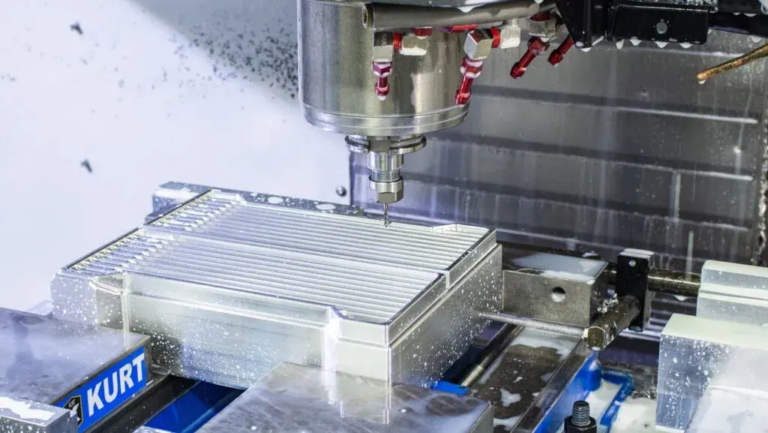
Before we dive into the details, it’s essential to understand the basics of CNC and 3D printing. CNC manufacturing involves using computer-controlled machines to precision-craft parts from metal, plastic, or other materials. 3D printing, also known as Additive Manufacturing (AM), builds products layer by layer, using a range of materials, from plastics to metals.
Key Considerations
- Material Selection
CNC machines typically operate with traditional materials like aluminum, steel, and titanium, while 3D printing offers a vast array of materials, including plastics, ceramics, and even metals. Consider the properties you require for your part, such as strength, durability, and thermal resistance.
- Part Geometry and Complexity
CNC machines are well-suited for simple to medium-complexity parts, while 3D printing excels at creating intricate designs with complex geometries. Ask yourself: Can the part be easily machined, or does it require the unique capabilities of 3D printing?
- Lead Time and Production Volume
CNC machines typically offer shorter lead times and higher production volumes, while 3D printing is often used for low-to-medium volume production or prototyping. Factor in the production cycle time and volume to determine which technology is best suited for your needs.
- Cost and Budget
CNC machines can be more cost-effective for high-production-volume parts, while 3D printing often requires a higher initial investment. Calculate the total cost of ownership, including machine purchase or lease, maintenance, and material costs, to ensure you’re making a financially savvy decision.
- Post-Processing and Finishing
CNC machines often require post-processing, such as drilling, tapping, or grinding, while 3D printed parts may need little to no additional processing. Consider the additional steps required to achieve the desired finish and level of precision.
- Quality and Precision
Both CNC and 3D printing offer high accuracy, but 3D printing can deliver more complex geometries and varying densities. Assess the required level of precision and the tolerances you can accept to determine the best manufacturing approach.
- Scalability and Flexibility
CNC machines can be easily retooled for different products, while 3D printing often requires reconfiguring the build plate and adjusting the print parameters. Consider the potential for future changes and the flexibility each technology offers.
Conclusion
When selecting between CNC and 3D printing for your new parts, it’s essential to weigh the benefits and limitations of each technology. By carefully considering the material selection, part geometry, lead time, production volume, cost, post-processing, quality, and scalability, you’ll be able to make an informed decision that meets your specific needs. Remember, the key to success lies in understanding the trade-offs between these critical factors and selecting the technology that best aligns with your goals.
Ultimate Takeaway
Choose the right CNC and 3D printing technologies by considering the specific requirements of your project, including material selection, part geometry, lead time, production volume, cost, post-processing, quality, and scalability. By doing so, you’ll ensure that your parts meet the desired specifications, are produced efficiently, and meet your budget constraints.
Additional Resources
…
(No additional resources displayed)



















