
The Ultimate Guide to CNC Machining: A Comprehensive Overview of the Treatment Process
In an increasingly automated manufacturing landscape, Computer Numerical Control (CNC) machining has revolutionized the way parts are manufactured. From precision engineering to high-volume production, CNC machining offers unparalleled accuracy, speed, and flexibility. In this article, we’ll delve into the world of CNC machining, exploring the intricacies of the treatment process and what sets it apart from traditional manufacturing methods.
The Fundamentals of CNC Machining
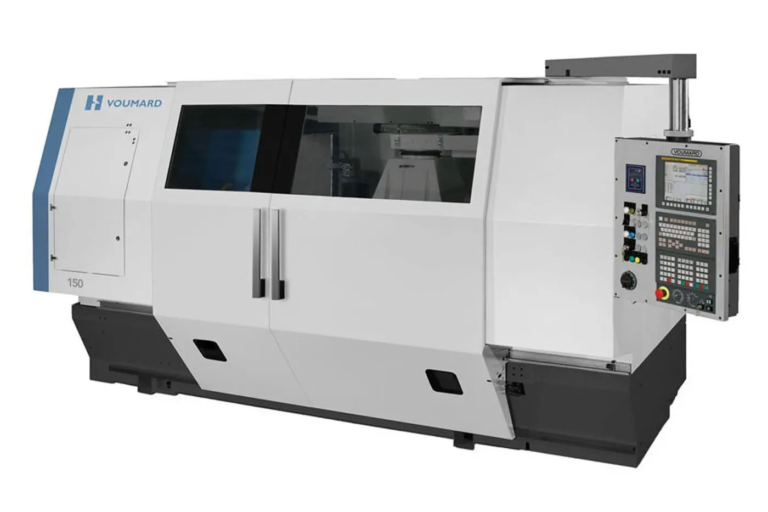
At its core, CNC machining involves the use of computer-controlled machine tools to manufacture parts and products. The process begins with the design and creation of a computer-aided design (CAD) file, which is then used to generate a computer-aided manufacturing (CAM) program. This program is uploaded to the CNC machine, which interprets the instructions and executes the necessary movements to manufacture the product.
The Treatment Process: A Step-by-Step Guide
- Pre-machining Preparation: Before commencing the machining process, the CAD file is imported into the CAM software, where it’s validated and optimized for production. The CNC machine is then prepared by calibrating its movements, ensuring accuracy and precision.
- Tool Preparation: The CAM software generates a toolpath, outlining the precise movements required to fabricate the part. The CNC machine’s cutting tools are carefully selected and prepared for the specific task at hand.
- Machining: The CNC machine is now ready to begin the machining process. It interprets the CAM program, executing the precise movements and cutting actions to create the desired part. The machine’s cutting tools, such as milling or drilling, are guided by the CAM program to achieve optimal results.
- Post-machining Processing: Once the part has been manufactured, it may undergo additional processing, such as deburring, cleaning, and testing. The resulting part is then inspected, packaged, and prepared for shipping.
Benefits of CNC Machining
- Accuracy and Precision: CNC machining offers unparalleled accuracy and precision, resulting in parts that meet tight tolerance requirements.
- Speed and Efficiency: The use of computer-controlled machines enables faster production speeds and reduced cycle times, increasing overall efficiency.
- Flexibility and Versatility: CNC machines can be easily reconfigured to accommodate various part designs and production requirements, allowing for greater versatility.
- Cost Savings: CNC machining reduces labor costs by minimizing manual intervention and increasing automation.
- Consistency and Reliability: Precision engineering and advanced software ensure consistent results, reducing the risk of human error and part defects.
The Future of CNC Machining
As technology continues to evolve, CNC machining is expected to play an increasingly prominent role in modern manufacturing. With advancements in artificial intelligence, 5G networks, and the Internet of Things (IoT), CNC machines are becoming even more efficient, precise, and connected. The fusion of these technologies will lead to:
- Enhanced Performance: Improved machine performance, sheer processing power, and predictive maintenance will ensure optimal production.
- Augmented Reality (AR) Integration: AR will revolutionize the manufacturing process, enabling real-time feedback, and providing operators with vital information to optimize production.
- Cybersecurity and Data Analysis: Advanced security measures and data analytics will guarantee sensitive information remains protected, while providing valuable insights for continuous improvement.
Conclusion
In an era of rapid technological advancement, CNC machining has solidified its position as a cornerstone of modern manufacturing. With its unparalleled precision, speed, and flexibility, CNC machining is poised to continue pushing the boundaries of what’s possible in production. As the technology continues to evolve, the benefits of CNC machining will only become more pronounced, solidifying its position as a driving force in shaping the future of manufacturing.



















