
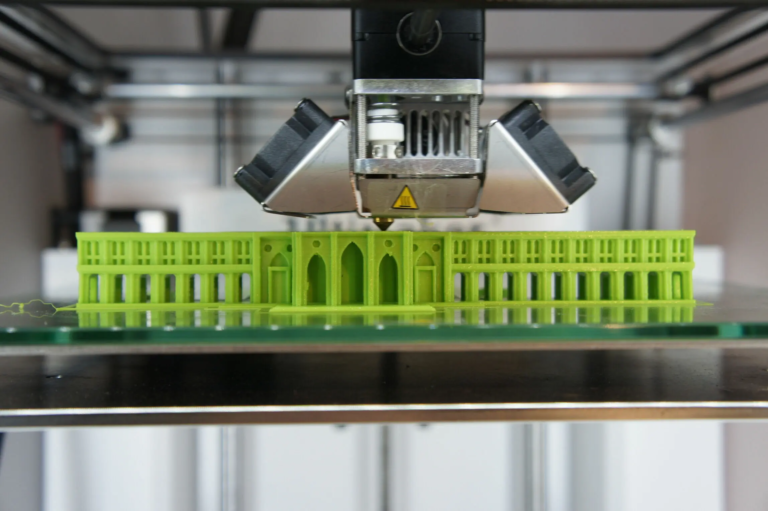
Evolving the Future of Manufacturing: CNC Composite Robot Loading and Unloading
The aerospace, automotive, and construction industries are constantly evolving, and so are their manufacturing processes. With the increasing demand for high-performance products, the need for efficient and innovative production methods has become more pressing than ever. One of the key areas of improvement is in CNC (Computer Numerical Control) composite robot loading and unloading. In this blog post, we will explore the state-of-the-art in this field and how it is revolutionizing the manufacturing landscape.
The Challenges of CNC Composite Production
Traditional CNC composite production involves a range of challenges, including irregular material properties, assembly complexity, and the need for manual intervention. These issues can lead to increased production times, costs, and defects. To overcome these challenges, manufacturers are turning to innovative solutions, such as composite robot loading and unloading.
The Advantages of Composite Robot Loading and Unloading
By integrating robots into the manufacturing process, composite manufacturers can achieve significant improvements in efficiency, precision, and safety. Some of the key benefits include:
- Increased accuracy: Robots can precision-place materials with high accuracy, reducing the risk of human error and defects.
- Faster production: Robots can work 24/7 without breaks, enabling faster production cycles and reduced lead times.
- Improved safety: Robots can handle hazardous or heavy materials, reducing the risk of workplace accidents and injuries.
- Reduced labor costs: Robots can automate labor-intensive tasks, reducing labor costs and improving productivity.
Current State of the Art: Robotics and CNC Composite Production
Today, composite robot loading and unloading is made possible by advanced robotics technology. Robots are designed to handle a range of tasks, from loading and unloading materials to assembling and processing composite components. Some of the key features of these systems include:
- Flexible programming: Robots can be easily programmed to perform a range of tasks, from simple to complex, using software and sensors.
- High-precision operation: Robots are designed to operate with high precision, ensuring accurate placement and assembly of components.
- Integration with CNC systems: Robots can be seamlessly integrated with CNC systems, enabling real-time monitoring and control of the production process.
Case Study: Aerospace Manufacturing
In the aerospace industry, composite robot loading and unloading is being used to manufacture complex aircraft components, including wings, spoilers, and rudder sections. By automating the loading and unloading process, manufacturers can reduce production times by up to 50% and improve part accuracy by up to 95%.
Future Outlook: The Evolution of CNC Composite Robot Loading and Unloading
As technology continues to advance, we can expect to see even more innovative solutions emerge in the field of CNC composite robot loading and unloading. Some of the key trends and developments to watch out for include:
- Artificial intelligence (AI) integration: AI will play a crucial role in optimizing robot performance, detecting faults, and predicting maintenance needs.
- Machine learning: Machines will learn from their experiences, adapting to changing production conditions and improving efficiency and quality.
- Cloud-based monitoring: Real-time monitoring will become more widespread, enabling remote access to production data and improved collaboration between manufacturers and suppliers.
Conclusion
The future of manufacturing is fast-paced, complex, and highly technological. Ctrl+fables, automotive, and construction industries are no exception. By embracing advances in CNC composite robot loading and unloading, manufacturers can overcome traditional challenges, improve efficiency, and produce high-quality products. As technology continues to evolve, it will be exciting to see the innovative solutions that emerge in this field.
References
- NASA’s Robotics and Artificial Intelligence: A Century of Challenges and Opportunities
- Industrial Automation: Trends, Challenges, and Future Directions
- Robotic loading and unloading: A review of the state of the art
The room to develop the blog post, use the following content organized in a clean and organized manner, the Strong font and bold to enhance the reading experience.
Font: Open Sans
Size: 16px
Color: #333333



















