
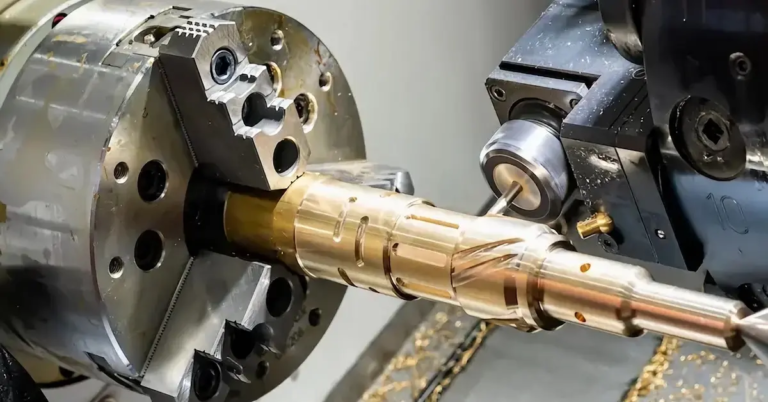
The Importance of CNC Tower Acceptance: A Comprehensive Guide
In today’s manufacturing landscape, computer numerical control (CNC) machines play a crucial role in the production of high-precision parts and products. The CNC tower, in particular, is a vital component of these machines, responsible for holding and indexing cutting tools. To ensure that these complex systems function optimally, it is essential to adopt a rigorous acceptance testing process, which includes several critical steps.
In this blog post, we will delve into the intricacies of CNC tower acceptance, examining the key factors that must be considered during this process. By following this comprehensive guide, manufacturers can guarantee the quality and accuracy of their CNC machines, ensuring that they meet the needs of their customers and maintain a competitive edge in the market.
Unpacking and Acceptance: A Critical First Step
The first stage of CNC tower acceptance involves unpacking and inspecting the components of the machine. This process is crucial, as it ensures that all parts are complete, undamaged, and accurately aligned. The following steps should be taken:
- Verification of Packaging Box Intactness: Inspect the packaging box for any signs of damage, dented, or rust. If any damage is observed, the product should be returned to the manufacturer.
- Verification of Technical Information: Verify the completeness and accuracy of the technical information provided, including the type, specifications, and quantity of accessories, tools, and electrical components.
- Verification of Spare Parts and Tools: Check the quantity, specifications, and condition of spare parts and tools, including blades, consumables, and lubricants.
- Verification of Electrical Components: Inspect the condition and functionality of electrical components, such as sensors, motors, and control systems.
- Verification of Operator’s Manual and Instructions: Check the completeness and accuracy of the operator’s manual and instructions for the CNC machine.
Start-Up Testing: A Crucial Step in CNC Tower Acceptance
The start-up testing phase is a critical step in the CNC tower acceptance process. During this phase, the machine is subjected to a series of tests to ensure that it functions correctly and meets the required specifications. The following tests should be performed:
- Manual Tests: Perform a series of manual tests, including jogging, pin changes, and overvoltage tests, to verify the machine’s basic functionality.
- Functional Tests: Conduct functional tests to verify the machine’s flexibility, stability, and reliability using various buttons, switches, and manual operation.
- Loading and Unloading Tests: Test the machine’s ability to load and unload various types of materials, including metals, plastics, and wood.
- Cooling and Lubrication System Tests: Test the machine’s cooling and lubrication systems to ensure they are functioning correctly and efficiently.
- Operator Training: Provide operator training to ensure that the machine is used correctly and safely.
Aeration Rotation Test: A Critical Step in CNC Tower Acceptance
The aeration rotation test is a critical step in the CNC tower acceptance process. This test verifies that the machine’s aeration system is functioning correctly and efficiently. The following tests should be performed:
- Operating Test: Perform an operating test to verify that the machine’s aeration system is functional and efficient.
- Continuous Operation Test: Perform a continuous operation test to verify that the machine’s aeration system can operate for extended periods without malfunction.
- Cooling System Test: Test the machine’s cooling system to ensure it is functioning correctly and efficiently.
Loading Test: The Final Step in CNC Tower Acceptance
The loading test is the final step in the CNC tower acceptance process. During this phase, the machine is loaded with various materials and operated for a prolonged period to verify its accuracy and durability. The following tests should be performed:
- Loading Test: Load the machine with various materials, including metals, plastics, and wood, and operate it for a prolonged period to verify its accuracy and durability.
- Accuracy Testing: Test the machine’s accuracy by comparing the actual dimensions of the final product with the original design specifications.
- Repeat Accuracy Test: Test the machine’s repeat accuracy by operating it for multiple cycles and comparing the results.
Conclusion
In conclusion, CNC tower acceptance is a critical process that ensures the functionality and accuracy of CNC machines. By following the steps outlined in this guide, manufacturers can guarantee the quality and reliability of their machines, ensuring that they meet the needs of their customers and maintain a competitive edge in the market. Remember, a well-planned and executed CNC tower acceptance process is essential for the success of any manufacturing operation.



















