
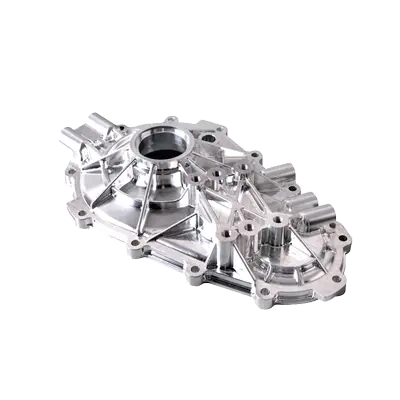
CNC aluminum alloy processing: Advantages and applications
Aluminum alloys are widely used in various industries due to their high strength to weight ratio, corrosion resistance and ease of manufacture. CNC machining is a process involving the use of computer-controlled machine shearing and shaped metals and has become an important step in the manufacturing process of aluminum alloys. In this article, we will explore the advantages and applications of CNC-processed aluminum alloys.
Advantages of CNC aluminum alloy processing
- High precision: CNC machining allows for high precision cutting and molding of aluminum alloys to produce sections with precise dimensions and tolerances.
- Improve productivity: CNC machining can significantly increase productivity by automating the manufacturing process, reducing labor costs and increasing overall efficiency.
- Improved finish:CNC machining can produce high-quality surface finishes, which is critical for many applications such as aerospace, automotive and medical devices.
- Reduce material waste: CNC machining can minimize material waste by allowing precise cutting and shaping, thereby reducing the amount of waste generated during the manufacturing process.
- flexibility:CNC machining can be used to produce complex geometric shapes and shapes, making it an ideal process for producing complex parts with tight tolerances.
Application of CNC processing aluminum alloy
- aerospace: Aluminum alloys are widely used in the aerospace industry due to their high strength to weight ratio, corrosion resistance and ability to withstand high temperatures.
- car: Aluminum alloys are used in various automotive parts such as engine blocks, cylinder heads and suspension components due to their high strength, durability and corrosion resistance.
- Medical equipment: CNC machining is used to produce medical devices such as surgical instruments, diagnostic equipment and implantable equipment that require precise cutting and shaping of complex geometries.
- Electronics: Use CNC machining to produce electronic components such as printed circuit boards, antennas and connectors, which require high precision cutting and shaping.
- Sports equipment: CNC machining is used to produce high-performance sports equipment such as golf clubs, ski poles and fishing rods, which require precise shaping and cutting complex geometric shapes.
in conclusion
CNC machining of aluminum alloys provides various advantages including high precision, improved productivity, improved surface finishes, reduced material waste and flexibility. CNC processing aluminum alloy applications are varied, from aerospace and automobiles to medical equipment and sports equipment. As demand for high-precision parts with complex geometries continues to grow, CNC machining of aluminum alloys will remain an important step in the manufacturing process.
FAQ
Q: What are the benefits of using CNC processing for aluminum alloys?
A: The benefits of using CNC processing for aluminum alloys include high precision, improved productivity, improved surface finish, reduced material waste and flexibility.
Q: What are the common applications of CNC processing of aluminum alloys?
A: Some common applications of CNC-processed aluminum alloys include aerospace, automotive, medical equipment, electronic equipment and sports equipment.
Q: What are the limitations of aluminum alloy CNC processing?
A: The limitations of aluminum alloy CNC machining include the need for high-quality tools and machining centers, high CNC machine costs, and the potential for tool wear.
Q: Can CNC processing of aluminum alloy be used for other materials?
A: Yes, CNC machining can be used in other materials, including steel, copper and titanium alloys, depending on the required properties and performance requirements.



















