
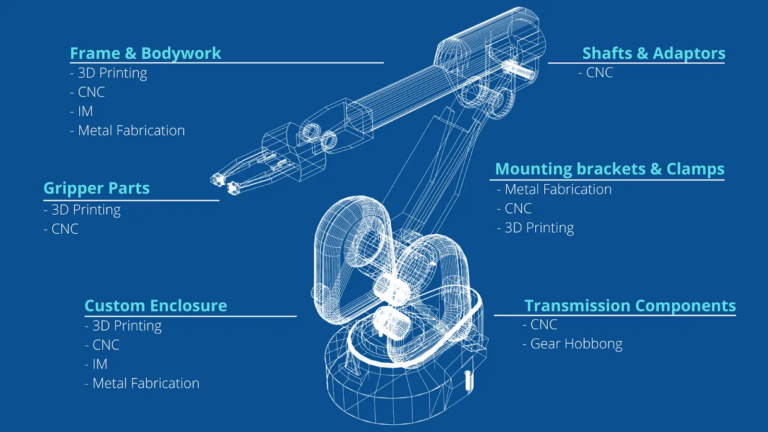
With the continuous development of technology, computer numerical control (CNC) processing has become an important tool in various industries, including manufacturing, aerospace, automotive and healthcare. CNC machining is a manufacturing process that uses a computer-controlled machine to remove material from workpieces to create custom parts or products. With the increasing demand for accuracy and accuracy, CNC machining has become an important part of many industries. In this guide, we will explore the basics of CNC machining, its benefits and their applications.
What is CNC machining?
CNC machining is a subtraction manufacturing process that involves removing material from workpieces using a computer-controlled machine. The process begins with creating a computer-aided design (CAD) model that is then used to program a CNC computer to create the required parts or products. A CNC machine (also known as computer numerical control) reads the program and moves an exact cutting tool (such as a milling cutter or lathe) to remove material from the workpiece.
Benefits of CNC machining
CNC machining offers a variety of benefits, including:
- accurate: CNC machines are able to produce parts with high precision, tolerance and accuracy.
- speed: Automated processes allow for rapid production and high productivity.
- Cost-effective: CNC processing can reduce production costs by reducing labor costs and increasing productivity.
- flexibility: CNC machines can be used to produce a wide range of parts and products from complex to simple.
- quality: CNC machines can produce parts with high quality and accuracy, reducing the need for post-production inspections.
Application of CNC machining
CNC machining has many applications in various industries, including:
- aerospace: CNC machining is used in the production of aircraft and spacecraft components such as engine parts, flight control systems and structural parts.
- car: CNC machining is used in the production of automotive parts such as engine components, transmission components and body panels.
- Health care: CNC processing is used in the production of medical equipment such as surgical instruments, implants and prosthetics.
- manufacturing: CNC machining is used in the production of machine parts such as gears, bearings and other precision components.
How to choose the right CNC processing service
When choosing a CNC machining service, consider the following factors:
- experience: Looking for services with extensive experience in CNC processing.
- equipment: Ensure that the service has the right equipment for your project, including the type and size of the machine, material functionality and maximum production capacity.
- quality: Inspection service quality control process, including inspection and testing procedures.
- communicate: Ensure clear communication with service providers, including regular updates and revisions.
in conclusion
In short, CNC machining is a key component of various industries, providing accuracy, speed, cost-effectiveness and flexibility. When choosing a CNC machining service, please consider experience, equipment, quality and communication. By understanding the basics of CNC machining, you can make informed decisions when using CNC machining services.
FAQs (FAQs)
- Q: What is CNC processing used?
A: CNC machining is used in subtraction manufacturing, allowing the production of precise parts and products from various industries.
- Q: How accurate is CNC processing?
A: CNC machining can produce high precision, tolerance and accuracy parts, making them ideal for complex parts and products.
- Q: What are the benefits of CNC processing?
A: CNC machining provides precision, speed, cost-effectiveness and flexibility, making it a popular choice in many industries.
- Q: What is the application of CNC processing?
A: CNC processing has various applications in aerospace, automobiles, healthcare and manufacturing industries.
- Q: How to choose the right CNC processing service?
A: When choosing a CNC machining service, please consider experience, equipment, quality and communication to ensure successful project results.



















