
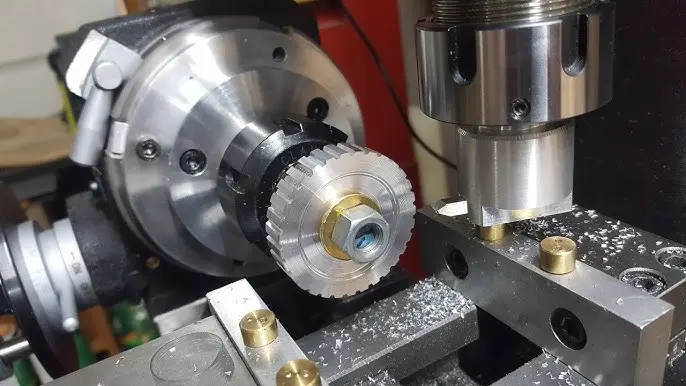
Accurate parts machining for key applications
In today’s industry, accuracy is critical to maintaining the quality and performance of complex mechanisms and systems. This is where accurate parts machining (APM) comes into play. APM is an accurate and efficient process that ensures high-quality parts manufactured with tight tolerances, critical dimensions and surface treatments. In this article, we will dig into the world of APM and explore its importance to key applications.
Need accurate parts processing
Accurate parts processing is an important process in various industries, including aerospace, automotive, medical and energy. The demand for precise machining is increasing due to the demand for high-performance products, reducing production costs and reducing market time demand. APM enables manufacturers to produce complex parts with strict specifications, ensuring that the final product meets the required standards and regulations.
Accurate parts machining challenges
Accurate parts machining is a complex process, with its set of challenges included. One of the primary challenges is the need for precise measurement and control systems that can detect and correct minimum deviations from specified dimensions. Another major challenge is the development of advanced cutting tools and technologies that can accurately cut and shape complex geometric shapes.
Subtraction and additive manufacturing technology
Two main methods are used in APM: subtraction manufacturing and additive manufacturing. Subtraction manufacturing involves removing material from a piece of material using cutting tools such as milling, drilling and turning. On the other hand, additive manufacturing uses materials such as metal or plastic to build parts layer by layer.
Advantages of accurate parts processing
Accurate parts machining offers many advantages, including:
- Improved accuracy: APM ensures that parts are manufactured strictly, thus reducing the need for rework and reprocessing.
- Improved Surface Surface Surface: The surfaces produced by APM have higher smoothness, thus reducing the need for additional finishing processes.
- Reduced production costs: APM enables manufacturers to produce parts more efficiently, thereby reducing production costs and time to market.
- Enhanced product performance: Accurate parts ensure the product runs as expected, reducing the risk of failure and downtime.
in conclusion
Accurate parts machining is an important process in various industries and plays a crucial role in ensuring the quality and performance of complex mechanisms and systems. With the growing demand for high-performance products, the demand for precise machining has become more urgent than ever. By understanding the challenges and advantages of APM, manufacturers can ensure that they produce high-quality parts that meet the required specifications and regulations.
FAQ
Q: What is accurate parts processing?
A: Accurate parts machining is a process of precise machining that ensures the production of high-quality parts with tight tolerances, critical dimensions and surface finishes.
Q: What are the benefits of accurate parts processing?
A: The benefits of APM include improved accuracy, improved surface finish, reduced production costs, and improved product performance.
Q: What are the two main methods used in accurate parts processing?
A: The two main methods used in APM are subtractive manufacturing, which involves removing materials and additive manufacturing from blocks of materials that build parts layer by layer.
Q: Why is accurate parts processing important?
A: APM is crucial in various industries, including aerospace, automotive, medical and energy, accuracy and performance.



















