
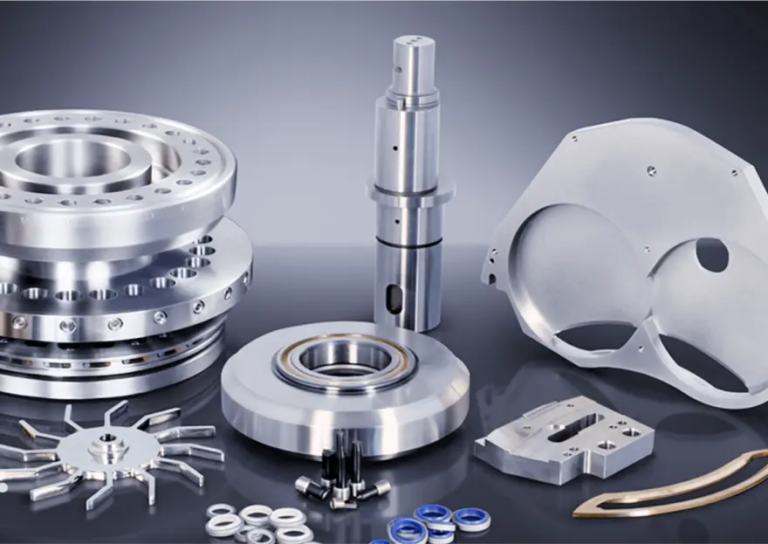
Design and build effective CNC machining fixtures
In the world of CNC machining, having the right fixtures can vary in producing high-quality, precise parts. However, designing and building an effective CNC machining fixture is a complex task that requires a deep understanding of the processes, materials and technologies involved. In this article, we will explore key considerations and best practices for designing and building effective CNC machining fixtures.
Understand the importance of CNC machining fixtures
CNC machining fixtures are essential for maintaining and supporting parts during machining. They provide a frame for the workpiece to ensure it remains stable and safe during machining. Effective fixtures are essential for achieving accurate and repeatable results, as they help:
- Maintain accuracy and accuracy: The fixture ensures the workpiece is properly aligned and positioned, thus reducing the risk of errors and inconsistencies.
- Prevent vibration and movement: The fixing device absorbs vibration and movement to ensure that the workpiece remains stable and safe during processing.
- Improve surface finish: Fixing devices can help improve the surface finish of workpieces by reducing the risk of scratches and other damage.
Design effective CNC machining fixtures
Several key factors must be considered when designing CNC machining fixtures. These include:
- Part design and geometry: The design of the machined parts will greatly affect the type of fixture required. For example, complex shapes or unusual geometry may require custom designed fixtures.
- Material selection: The choice of material for the fixture is crucial as it must be durable, corrosion resistant and suitable for processing operations.
- Fixed size and shape: The size and shape of the fixture will depend on the size and shape of the workpiece and the machining operation being performed.
- Clamping and holding: The method of clamping and holding the workpiece will affect the effectiveness of the fixing device. This may include the use of fixtures with various clamping mechanisms, such as vises, Pins Pins or fixtures with built-in fixture equipment.
Build an effective CNC machining fixture
Once the design of the fixture is finalized, the next step is to build it. This involves selecting the right materials and manufacturing fixtures using techniques such as processing, welding or 3D printing. Some key considerations for building effective CNC machining fixtures include:
- Material selection: The material selected for the fixture must be suitable for the processing operation and the workpiece being processed.
- Manufacturing technology: The choice of manufacturing technology will depend on the design of the fixture, as well as the required level of accuracy and accuracy.
- Finishing and surface treatment: The finished surface of the fixture must be smooth and free of defects to ensure that it does not damage the processing operation.
in conclusion
In short, designing and building effective CNC machining fixtures is a key component of the CNC machining process. By understanding the importance of fixtures, considering key design factors, and choosing the right materials and manufacturing technology, manufacturers can ensure the accuracy and accuracy of their parts. Remember to prioritize fixtures and construction for the best results of CNC machining operations.
FAQ
- What are the most critical factors in designing effective CNC machining fixtures?
- Accuracy and precision: Fixtures must be designed to ensure that the workpiece is kept in place and moved accurately.
- What is the most common material for CNC machining fixtures?
- Aluminum or steel, depending on the processing operation and workpiece material.
- How to make sure my CNC machining fixtures are properly maintained?
- Check and clean the fixtures regularly and apply an anti-rust coating as needed.
- What is the best way to clamp and hold a workpiece in a CNC machining fixture?
- This will depend on the workpiece design, materials and machining operations, but techniques such as fixing, access or vacuum clamping may work.



















