
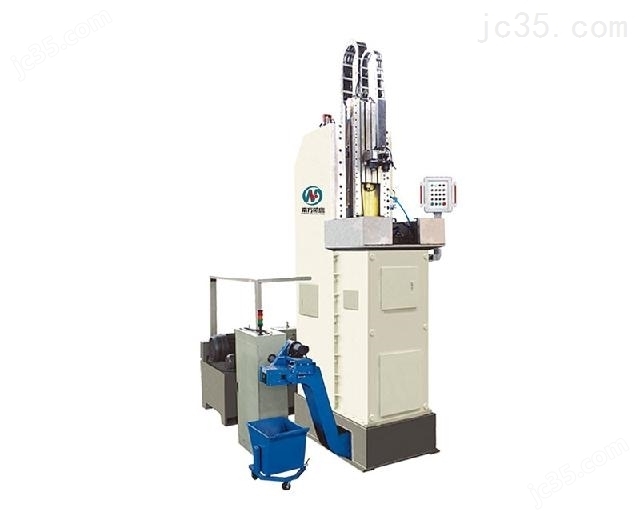
Mastering the Art of Vertical Interior Traction Bed Maintenance: A Comprehensive Guide
In today’s manufacturing landscape, achieving precision and efficiency in machine shop operations has become the holy grail of production excellence. In this blog post, we’ll delve into the intricacies of vertical interior traction bed maintenance, highlighting the vital steps to ensure optimal performance, precision, and efficiency. From setup and operation to ongoing care and upkeep, our comprehensive guide will empower you to maximize the potential of your vertical interior traction bed.
Setting Up Your Vertical Interior Traction Bed: A Step-by-Step Guide
Before commencing production, it is essential to ensure that your vertical interior traction bed is properly set up. Here are the critical steps to take:
- Preheating and Starting Up: Ensure the machine tool is preheated to a stable state, with no vibrations or abnormal noises emanating from any component.
- Inspect and Polishing: Closely inspect the machine’s appearance, guidance rails, and polishing the burrs to guarantee rust-free surfaces.
- Hydraulic and Lubrication Check: Verify the hydraulic oil level and machine tool lubrication oil level are within normal parameters, and ensure all cables, water pipes, and gas pipes are correctly connected.
- Rectitude and Perpendicularity Checks: Utilize a flat rule and gauge to measure the rectitude of the bed guidance rails in vertical and horizontal planes, guaranteeing compliance with specified requirements. Additionally, employ an angle rule or laser measurement instrument to precisely measure the perpendicularity of the main vertical structure, such as the sliding pillow and work work.
- Work Planity and Dimensional Accuracy: Use a surface roughness counter to measure the roughness of the treated surface, ensuring compliance with quality requirements. Perform real-world processing tests to evaluate the machining capacity and stability of the tool-tool.
- Dimensional Accuracy Checks: Utilize a measuring machine with three coordinates or high-precision measurement tools to verify the size of the treated part, ensuring dimensional accuracy meets relevant standards or customer requirements.
Ongoing Maintenance and Care: Best Practices for Long-Term Performance
Regular maintenance is crucial to maintaining your vertical interior traction bed’s optimal performance. Here are the recommended best practices:
- Regular Inspections and Replacement: Periodically inspect parts and tools for defects or wear, and replace them promptly to prevent malfunctions.
- Hydraulic and Lubrication Maintenance: Regularly clean and replace hydraulic oil, components, and lubricating filters to ensure smooth operation.
- Work Environment and Organization: Maintain a clean and organized workspace, ensuring the machine’s operating area is free from debris and obstacles.
- Lubrication and Vibration Reduction: Regularly lubricate moving parts to reduce vibrations caused by friction and wear, ensuring optimal performance and reducing the risk of premature wear and tear.
Visualizing the Power of Proper Maintenance
[Optimized Image: https://img67.jc35.com/0497b4e3566c1420e74cd98e9ede7c506dde4f51e33ae69b5ae37e1298772dc01534482f2914d69b.jpg]
In conclusion, maintaining your vertical interior traction bed requires a comprehensive approach that encompasses both pre-production setup and ongoing care. By following the guidelines outlined in this article, you’ll be well-equipped to maximize the performance, precision, and productivity of your machine tools, ultimately driving business growth and success.



















