
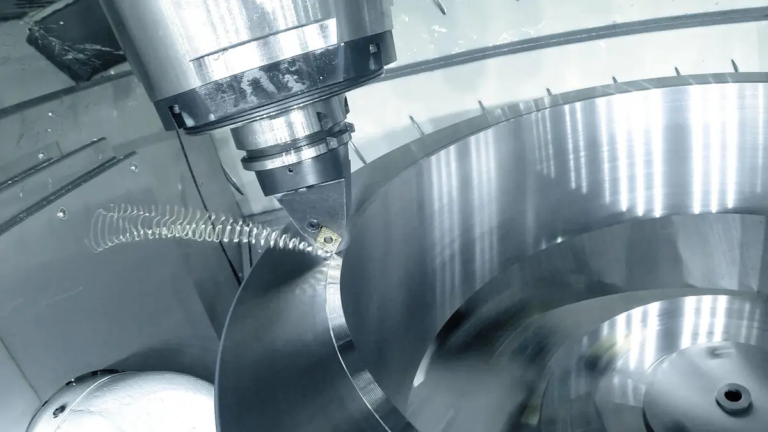
CNC machining of aluminum parts: a guide to excellence
In the modern manufacturing sector, computer numerical control (CNC) machining has become an essential technology for the production of high-precision metal parts with complex designs and tolerances. When it comes to aluminum parts, CNC machining offers a unique set of challenges and opportunities. In this article, we will dig into the world of CNC machining for aluminum parts and explore the benefits, challenges and best practices of achieving outstanding achievements in this area.
Understand CNC machining of aluminum parts
Aluminum is a popular light metal and is commonly used in a variety of industrial applications from aerospace to automotive and consumer goods. Its unique properties, such as high strength ratios and corrosion resistance, make it an excellent choice for demanding industries. However, CNC machining aluminum parts requires a deep understanding of the specific requirements and characteristics of the material.
Benefits of CNC machining for aluminum parts
- accurate: CNC machining provides unparalleled accuracy with small tolerances as low as 0.001 mm. In the aerospace, automotive and medical industries, this accuracy is crucial, and even slight differences can have significant consequences.
- efficiency: CNC machining allows for rapid production transfer, minimizing lead time and reducing costs. This is especially important in industries with high demand and production schedules.
- Surface finish: CNC machining can produce excellent finishes, reducing the need for other processing steps and improving part durability.
- Material Utilization:CNC machining can create complex geometry, which can optimize material use and reduce waste.
The Challenge of CNC Making Aluminum Parts
- distortion: Aluminum is prone to twist during processing, and specialized techniques and techniques are required to prevent bending and bending.
- Tool wear: The high hardness and abrasive properties of aluminum can cause tool wear, resulting in re-grinding and replacement costs.
- cool down: Proper cooling is crucial in CNC machining aluminum parts, as excessive heat can damage material properties and structural integrity.
Best Practices for CNC Making Aluminum Parts
- Quality Tools: Invest in high-quality cutting tools designed specifically for aluminum processing as they reduce tool wear and improve surface finish.
- Coolant management: Implement an effective coolant management system to prevent excessive heat generation and ensure cooling.
- Simulation and verification: Use simulation software to optimize tool paths and verify part designs to reduce the risk of distortion and warping.
- Material selection: Carefully select the appropriate aluminum alloy to consider factors such as corrosion resistance, strength and thermal conductivity.
in conclusion
CNC machining of aluminum parts requires in-depth understanding of the properties, benefits and challenges of the material. By adopting expertise, quality tools and simulation software, manufacturers can overcome obstacles associated with processing aluminum and produce high-quality precise parts. Very enjoyable, our team of experts is dedicated to providing first-class CNC machining services, providing precise parts with excellent finishes and tolerances. Contact us today to learn more about our capabilities and how we can help you achieve excellence in your next project.
FAQ
Q: What are the benefits of CNC machining for aluminum parts?
A: CNC machining provides accuracy, efficiency, surface finish and material utilization.
Q: What are the challenges of CNC machining aluminum parts?
A: Distortion, tool wear and cooling are the main challenges.
Q: What are the best practices for CNC machining aluminum parts?
A: Quality tools, coolant management, simulation and verification, and material selection are crucial.
Q: Why is simulation and verification important in CNC machining of aluminum parts?
A: Simulation and verification reduce the risk of distortion and distortion, thus ensuring accurate part generation.
Q: What is the best alloy for CNC machining aluminum parts?
Answer: The choice of alloy depends on the specific application, but factors such as corrosion resistance, strength and thermal conductivity should be considered.



















