
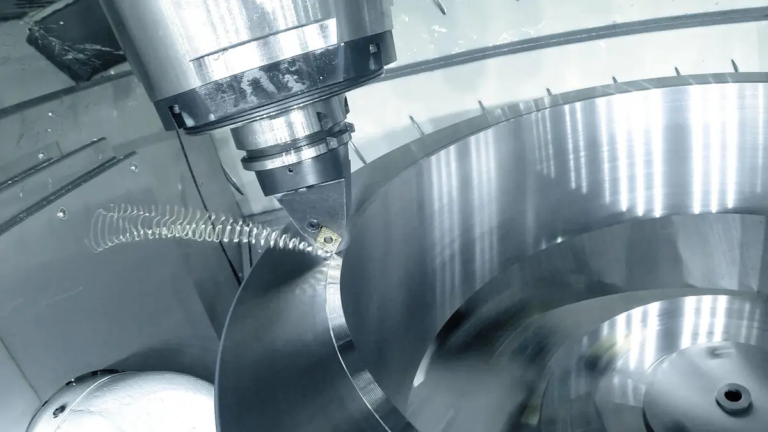
The Anatomy of CNC Machine Tools: An In-Depth Look at the Components That Make Them Tick
In the world of manufacturing, CNC (Computer Numerical Control) machine tools have revolutionized the way we produce complex parts with precision and efficiency. But have you ever wondered what makes these machines tick? Let’s take a deep dive into the anatomy of CNC machine tools and explore the various components that work together to achieve high-precision and high-speed processing.
The Core Components: Machine Tool Main Body, Guidance Rails, Pin Box, and Tool System
At the heart of a CNC machine tool is the machine tool main body, which includes the structural components such as the bed, columns, and beams. These parts are responsible for stabilizing the machine and securing the other components, ensuring precision and stability in the machining process.
The guidance rails, on the other hand, play a crucial role in guiding and supporting the movement of mobile parts. Linear guidance rails and circular guide rails work together to maintain precise movement and stability, ensuring that the machine tool operates smoothly and efficiently.
The pin box is another critical component, responsible for installing and securing the pin, which drives the spindle. This intricate component ensures precise rotation and stability of the spindle, allowing for smooth and effective machining.
The tool system is designed to store and manage various tools, including the tool library, tool exchange device, and tool tightening device. These components work together to provide versatility and reliability in the machining process.
The Powerhouse: Servomotor System, CNC System, and Auxiliary Devices
The servomotor system is the driving force behind the CNC machine tool, comprising servomotors, controllers, and feedback devices. These components work in harmony to drive each component of the machine tool, executing precise movements according to the instructions of the CNC system.
Speaking of the CNC system, it is the brain of the CNC machine tool, encompassing hardware and software. The hardware includes input/output devices, processors, and memory, while the software includes CNC programs, operating systems, and more. The CNC system receives treatment programs, controls the movement and work of various parts of the machine tool, and executes the treatment of parts.
Auxiliary devices come in many forms, such as the cooling system, lubrication system, and debris elimination system. These components work together to ensure the normal operation and quality of the machine tool, by reducing temperature, friction, and wear.
Safety First: The Importance of Security Protection Systems and Interface Devices
In the realm of CNC machine tools, security protection systems are of paramount importance. These include emergency stop buttons, limit switches, and protective covers, which protect the safety of operators and prevent accidents from occurring. Interface devices, such as communication interfaces and power interfaces, enable connection and communication between the CNC machine tool and external devices, ensuring seamless integration.
The Future of CNC Machine Tools: Towards Even Greater Precision and Efficiency
As technology continues to advance and evolve, CNC machine tools are set to become even more sophisticated and effective. New developments in software, hardware, and automation will lead to further improvements in precision, speed, and efficiency. With the ever-growing demand for complex parts and innovative manufacturing solutions, the future of CNC machine tools looks bright indeed.
In conclusion, the anatomy of CNC machine tools is a complex interplay of multiple components, each playing a vital role in achieving high-precision and high-speed processing. As the manufacturing industry continues to evolve, CNC machine tools will remain at the forefront, driven by innovative technology and dedicated to providing unparalleled performance. Stay tuned for the next chapter in the evolution of CNC machine tools!



















