
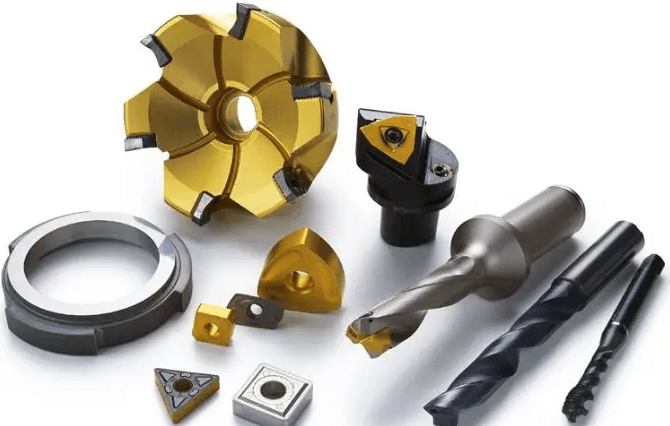
Optimizing Machining Centers: Mastering the Art of Tool Maintenance and Prevention
In today’s fast-paced manufacturing environment, machining centers play a vital role in ensuring the quality and efficiency of production. However, even with the latest technology, tools can still malfunction, leading to costly downtime and rework. In this article, we’ll delve into the common causes of tool problems and provide practical solutions for preventing them, covering material selection, geometric parameter optimization, cutting parameter adjustment, coolant and lubricant use, real-time monitoring, and coating technology.
1. Material Selection: The Foundation of Tool Performance
When selecting tool materials, it’s crucial to consider the processing needs and properties of the material being machined. For instance, when working with high-resistance or difficult-to-machine materials, such as extinct steel or high-temperature alloys, tool materials with higher hardness and better wear resistance should be chosen. Carbide, ceramic, and cemented boron nitride tools are excellent options in this case.
2. Geometric Parameter Optimization: Fine-Tuning for Performance
To ensure optimal tool performance, it’s essential to adjust key geometric parameters, such as the front and rear angles, main and secondary deviation angles, and tilt angles of the tool blades. By making precise adjustments, you can:
- Improve tool rigidity and stability
- Enhance cutting edge sharpness
- Reduce vibrations and tool deformation
3. Cutting Parameter Adjustment: A Delicate Balance
Cutting speed, depth of cut, and feed rate are critical factors in achieving optimal tool performance. Be cautious of over-speeding, as this can lead to tool overheating and premature wear. Optimize these parameters to:
- Reduce tool wear and tear
- Improve surface finish and dimensional accuracy
- Extend tool lifespan
4. Coolant and Lubricant: The Dynamic Duo of Tool Maintenance
Using the right coolant and lubricant can significantly reduce tool wear and extend its lifespan. Select a coolant that effectively reduces cutting temperatures and choose a lubricant to minimize friction and wear. A 30% to 50% reduction in tool wear is possible with the right combination of coolants and lubricants.
5. Real-Time Monitoring: The Eye of the Beholder
Online tool wear monitoring systems enable real-time detection of tool wear, allowing for timely adjustments to cutting parameters or tool replacement. Regular inspections also help identify potential issues before they become major problems, reducing downtime and rework.
6. Process System Improvement: Stabilizing the Foundation
Improve the stiffness of machine tools and use anti-vibration tools to reduce tool deformation and vibrations during cutting. Proper operating procedures, such as minimizing sudden loads and following established protocols, also contribute to optimal tool performance.
7. Coating Technology: The Protective Shield of Modern Tools
Coatings can form a hard, protective layer on tool surfaces, reducing friction, wear, and heat damage. Select a coating material that matches the tool material and processing needs, such as Tialn (titanium aluminum nitride) or TICN (titanium carbon nitride).
In conclusion, preventing tool problems in machining centers demands a multifaceted approach, incorporating material selection, geometric parameter optimization, cutting parameter adjustment, coolant and lubricant use, real-time monitoring, process system improvement, and coating technology. By implementing these best practices, manufacturers can:
- Extend tool lifespan
- Improve processing efficiency
- Enhance product quality
- Reduce downtime and rework costs
Join the ranks of industry leaders by adopting these proactive strategies, ensuring peak performance, and maximum profitability in the ever-evolving world of machining centers.



















