
Unlocking the Potential of the Heavy Machinery Industry: Trends, Challenges, and Opportunities
As the world continues to evolve and innovate, the heavy machinery industry is poised for exponential growth and development. Amidst the 2010s economic recovery, the Chinese heavy machinery industry, in particular, has witnessed a remarkable surge. This article provides a comprehensive analysis of the current situation, identifying key trends, challenges, and opportunities for the heavy sleeper industry.
Market Trends and Analysis
In 2010, the Chinese economy rapidly recovered, and the machine tool industry flourished, with the machine tool production value reaching 5,373.06 million RMB in the first three quarters, a 12.52% decrease from the previous year. Despite the decline, the industry still maintains a robust growth rate, with an average annual increase of 42.38% over the past seven years.
Challenges and Opportunities
Several factors contribute to the decline in economic indicators, including the international financial crisis, delay factors, and the shift in investment from technological transformation to large-scale production equipment. Moreover, the industry’s lack of innovation and independent research capacities hinders its ability to keep pace with foreign competitors.
Opportunities for Growth and Development
To overcome these challenges, the industry must focus on:
- Seizing the opportunity to slow market demand: Companies must adjust product structures and extend their service areas to maintain competitiveness and ensure long-term sustainability.
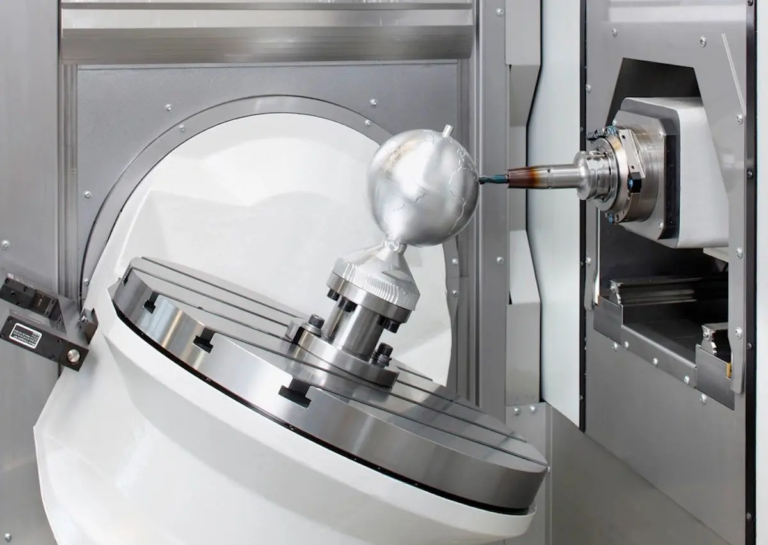
- Developing new high-end machine tools: Focusing on the development of advanced technologies, such as CNC multi-functional machines, to meet the growing demands of the user industry.
- Offering a complete range of products: Companies should provide a comprehensive range of products, including heavy-duty CNC machine tools, bringing together the strengths of the industry.
Key Players and Industry Insights
Leading manufacturers, such as Shenyang Machine Group, Dalian Machine Group, and Ningbo Haitian Precision Machinery Co., Ltd., have played a significant role in the industry’s growth. Meanwhile, smaller manufacturers, like Qizhong CNC, have also emerged as major players, showcasing the industry’s rapid development.
Addressing Technical Gaps and Quality Issues
The reliability of CNC machine tools, geometric accuracy, and work accuracy are critical factors in ensuring the performance and competitiveness of heavy machinery. Domestic manufacturers must focus on bridging the gap with foreign competitors by investing in advanced production processes, improving design and manufacturing techniques, and enhancing research and development.
Strategic Alliance
The creation of the "China Sleeper Vehicle Industry Technology Strategic Alliance" was proposed in October 2010. This alliance aims to combine the technical expertise of various manufacturers, universities, and research institutions to create a technological innovation system. By sharing common technologies, common process technologies, and common standards, the alliance seeks to improve the overall technical level of heavy sleeper vehicles in China.
Conclusion
The heavy machinery industry is poised for exponential growth and development, driven by technological advancements, innovation, and strategic partnerships. As the world continues to evolve, the Chinese heavy machinery industry must adapt and innovate to maintain its position as a global leader. By embracing new technologies, improving design and manufacturing processes, and fostering cooperation, the industry can overcome challenges and capitalize on opportunities, securing a brighter future for years to come.
Stay ahead of the curve by exploring our latest insights on the heavy machinery industry. Discover the trends, challenges, and opportunities shaping the future of this dynamic industry.



















