
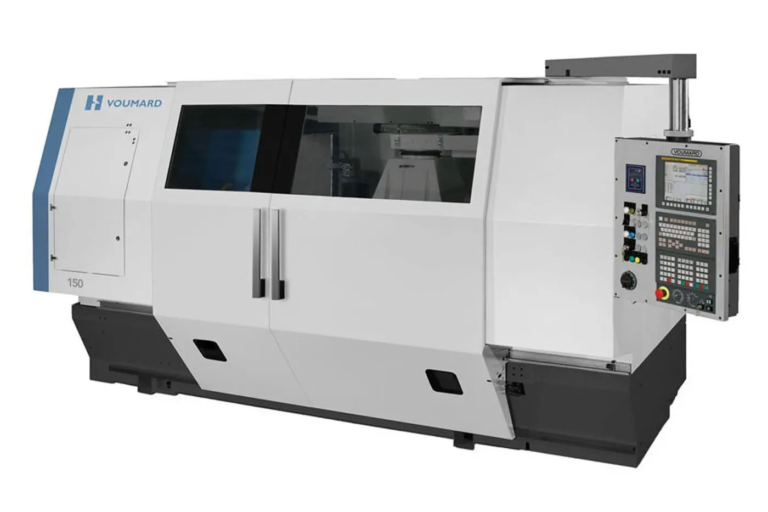
Unlocking the Power of CNC Type 2 Profile Machines: Revolutionizing Precision Manufacturing
In today’s fast-paced manufacturing environment, companies are constantly seeking ways to improve efficiency, reduce costs, and increase product quality. One innovative solution is the CNC Type 2 profile machine, a cutting-edge technology that combines the precision of computer numerical control (CNC) with the flexibility of a profile machine. In this article, we’ll delve into the world of CNC Type 2 profile machines, exploring the benefits, applications, and limitations of this revolutionary technology.
What is a CNC Type 2 Profile Machine?
A CNC Type 2 profile machine is a type of CNC machine that uses a controlled motion system to move a cutting tool or drilling head to accurately cut and shape workpieces according to a pre-programmed design. Unlike traditional CNC machines, which are designed for general-purpose machining, CNC Type 2 profile machines are specialized for precision processing of non-rotational, complex shapes, such as profiles, contourools, and free-form surfaces.
Benefits of CNC Type 2 Profile Machines
- Unparalleled Precision: CNC Type 2 profile machines offer unparalleled precision, with accuracy rates of ±0.01 mm or better, making them ideal for high-performance applications where tolerances are critical.
- Flexibility: These machines can process a wide range of materials, including metals, plastics, glass, and wood, and can accommodate complex geometries, complex 3D structures, and small details.
- Increased Efficiency: With the ability to perform multiple tasks concurrently, CNC Type 2 profile machines can significantly reduce production time and increase overall throughput.
- Improved Surface Finish: The precision cutting and polishing capabilities of these machines result in smoother, higher-quality finishes that require minimal post-processing.
Applications of CNC Type 2 Profile Machines
- Aerospace: CNC Type 2 profile machines are used to manufacture complex aircraft components, such as fuselage panels, wings, and control surfaces.
- Automotive: These machines are employed in the production of high-performance automotive parts, such as engine components, transmission parts, and suspension components.
- Medical Devices: The precision and flexibility of CNC Type 2 profile machines make them ideal for manufacturing medical devices, including implants, prosthetics, and surgical instruments.
- Agricultural Equipment: These machines are used in the production of intricate agricultural equipment, such as precision irrigation systems, precision farming tools, and precision livestock management systems.
Limitations of CNC Type 2 Profile Machines
- High Initial Investment: The cost of acquiring and maintaining a CNC Type 2 profile machine is higher than that of traditional CNC machines.
- Complex Programming: These machines require sophisticated programming expertise to take full advantage of their capabilities.
- Limited Application Range: CNC Type 2 profile machines are not suitable for general-purpose machining and are best suited for high-precision, complex applications.
Conclusion
CNC Type 2 profile machines have revolutionized the manufacturing landscape by providing unparalleled precision, flexibility, and efficiency. While they present a higher initial investment and require specialized programming expertise, their benefits far outweigh their limitations. As manufacturers continue to push the boundaries of innovation, these machines are poised to play an increasingly crucial role in the production of high-performance products across various industries.



















