
With the continuous development of manufacturing, the debate between manual and CNC machining has been a long-standing debate. Both approaches have their own strengths and weaknesses, and it is crucial to understand the pros and cons of each before making a decision. In this article, we will dig into the details of manual and CNC machining, highlighting key differences and notes that will help you make an informed decision for your next project.
Manual processing: traditional method
Manual machining (also known as traditional machining) involves the use of hand tools or simple machine tools to shape and accurately cut materials. This approach has been around for centuries and has been used in industries ranging from furniture to aerospace. Manual machining remains a popular choice for small-scale production, prototyping and repair.
Advantages of manual processing:
1. Low upfront cost: Manual machining requires a minimum investment in equipment and technology, making it an attractive option for start-ups and small businesses.
2. Flexibility: Manual machining allows easy adaptation to complex shapes and designs and can be modified at any time.
3. Human Touch: Human mechanics can often detect subtle defects or irregularities based on machine systems that may miss, resulting in higher quality products.
Limitations of manual processing:
1. Limited scalability: Manual processing is time-consuming and labor-intensive, making mass production impractical.
2. Inconsistent accuracy: As the skills and experience of the mechanics vary, human factors can lead to inconsistent results.
3. Safety issues: Manual machining can be dangerous, especially when using sharp tools or hazardous materials.
CNC machining: modern choice
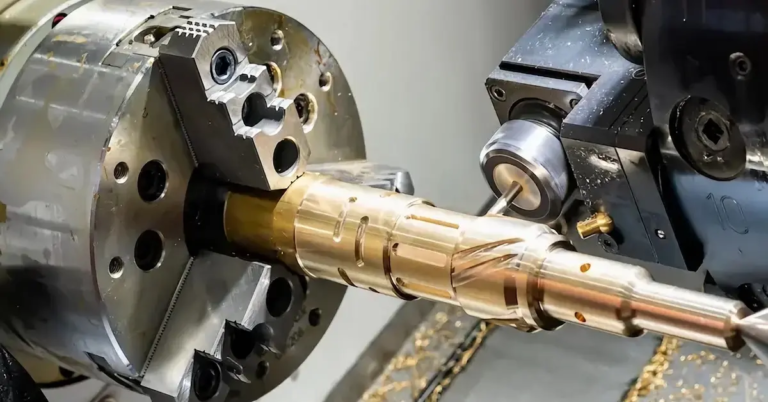
On the other hand, CNC (Computer Numerical Control) machining uses computer-controlled machines to accurately cut and shape materials. CNC machining revolutionized the manufacturing industry, enabling high-speed production, improving accuracy and reducing labor costs.
Advantages of CNC machining:
1. High Speed Production: CNC machines can process materials at amazing speeds, making them ideal for mass production.
2. Improved accuracy: CNC machines run with precision, ensuring consistent results and minimizing human errors.
3. Reduce labor costs: CNC machining automates many tasks, reduces labor costs and increases productivity.
Limitations of CNC machining:
1. High upfront costs: Investing in CNC machines and training can be expensive, making it a major obstacle to some industries.
2. Limited flexibility: CNC machines are programmed to cut specific shapes and patterns, making adjustments difficult.
3. Reliance on technology: CNC machines rely on software and electronics, which can be a bug or a malfunction.
The Ultimate Showdown: Manual and CNC machining
When it comes to it, the choice between manual and CNC machining depends on your specific needs and goals. Both approaches have their pros and cons, and understanding these factors will help you determine which approach is best for your project.
For small productions, manual machining may be a better option, offering flexibility and lower upfront costs. However, for large-scale production or high-precision applications, CNC machining is often the preferred choice.
Consider the following:
*If you need high-speed production, CNC processing is the must-pass.
*If you need flexibility and customization, manual machining may be more appropriate.
*If cost is a major issue, manual machining can be a more affordable option.
* If accuracy and accuracy are crucial, CNC machining is the obvious winner.
in conclusion
In short, manual and CNC machining have their unique advantages and disadvantages. By understanding the benefits and limitations of each, you will be able to choose the right approach for your project. Whether you’re an experienced manufacturer or just starting out, this ultimate showdown will help you make smart decisions that suit your needs and goals.
FAQ:
Q: What is the difference between manual and CNC machining?
A: Manual machining is a traditional method that involves the use of manual tools or simple machine tools to shape and accurately cut materials, while CNC machining uses computer-controlled machines to accurately cut and shape materials.
Q: Which method is more accurate?
A: CNC machining is usually more accurate than manual machining because it runs with accuracy and minimizes human error.
Q: Which method is faster?
A: CNC machining is usually faster than manual machining because it can handle materials at incredible speeds.
Q: Which method is more cost-effective?
A: Manual processing is usually more cost-effective for small productions, while CNC processing is more suitable for large-scale production.
Q: Can I use these two methods?
A: Yes, many manufacturers use a combination of manual and CNC machining to achieve the best results.



















