
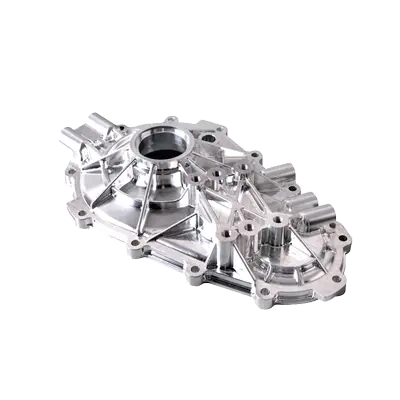
Stainless steel is a popular choice in many industries when it comes to CNC machining, especially in the manufacture of components requiring high strength, corrosion resistance and lower maintenance. With the development of CNC machining technology, manufacturers can now easily and efficiently produce high-precision stainless steel components. In this article, we will discuss the benefits and processes of CNC machining of stainless steel components, as well as some common common questions.
Benefits of CNC machining of stainless steel components
CNC machining provides some benefits when used in stainless steel components, including:
- accurate: CNC machining enables the production of precise parts with high precision and surface treatment, ensuring that the components meet the required specifications.
- efficiency:CNC machining is a cost-effective and effective method for producing stainless steel components, which can automatically process the process and reduce labor costs and production time.
- consistency: CNC machining ensures consistency in part production, eliminates the possibility of human error and ensures that all components meet specified standards.
- Material saving: CNC machining can help reduce material waste and optimize material use, thus saving costs and reducing environmental impact.
CNC machining process of stainless steel components
The CNC machining process of stainless steel components involves multiple stages, including:
- design: Design components, including their geometry, size and specifications.
- programming: Create a computer-aided design (CAD) file that is used as a guide to the CNC machining process.
- Processing: The CNC machine is then used to control the CNC machine, which cuts and molds stainless steel materials according to the design specifications.
- finishing: The assembly is then completed, including operations such as burrs, grinding and polishing to achieve the desired finish and fit.
CNC machining challenges for stainless steel components
Despite the benefits of CNC machining, there are still some challenges that need to be addressed, including:
- Material selection: It is crucial to choose the right type and grade of stainless steel for a specific application, as it can affect the durability and performance of the components.
- Coolant problem: Inadequate coolant application can cause the machine to overheat, thereby reducing tool life and accuracy.
- Tool wear: Tool requirements for CNC machining may be required, and excessive wear can lead to reduced accuracy and surface effect.
Tips for Successful CNC Processing of Stainless Steel Assembly
To ensure successful CNC machining of stainless steel components, follow these tips:
- Choose the right machine: Select a machine with the correct functionality, including the ability to handle the type and size of components.
- Use the right tools: Choose the right tools, including cutting tools, guides and settling sheets to ensure accurate and efficient machining.
- Monitoring process: Monitor the processing process closely to ensure that components are produced according to design specifications.
- Maintaining the machine: Regular maintenance of machines is crucial to ensure accuracy, reliability and efficiency.
in conclusion
CNC machining is a reliable and effective method for producing high-precision stainless steel components. With the right machines, tools and expertise, it offers many benefits including precision, efficiency and consistency. By understanding the process and challenges of CNC machining, manufacturers can ensure successful production of high-quality stainless steel components.
Frequently Asked Questions
- Q: Which stainless steel is best for CNC processing?
A: The best stainless steel types for CNC processing are 17-4PH, 304 and 316L, which are commonly used in aerospace, medical and industrial applications. - Q: What is the typical maximum length and diameter of stainless steel tubular component CNC processing?
A: Typical maximum length and diameter of CNC machining of stainless steel tubular components is 20 feet and 4 inches, respectively. - Q: Can CNC machining of stainless steel components be performed using complex geometric shapes?
A: Yes, complex geometric shapes including helical, helical and conical shapes can be used to complete the CNC machining of stainless steel components. - Q: Do CNC-machined stainless steel components need to be filled afterwards?
A: Yes, CNC-machined stainless steel components usually require rear fishing to meet the required surface and tolerance requirements. - Q: Does the CNC machining of stainless steel components have high temperature resistance?
A: Yes, CNC machining of stainless steel components can have high temperature resistance, making it suitable for applications requiring high temperature resistance, such as aerospace and medical equipment.



















