
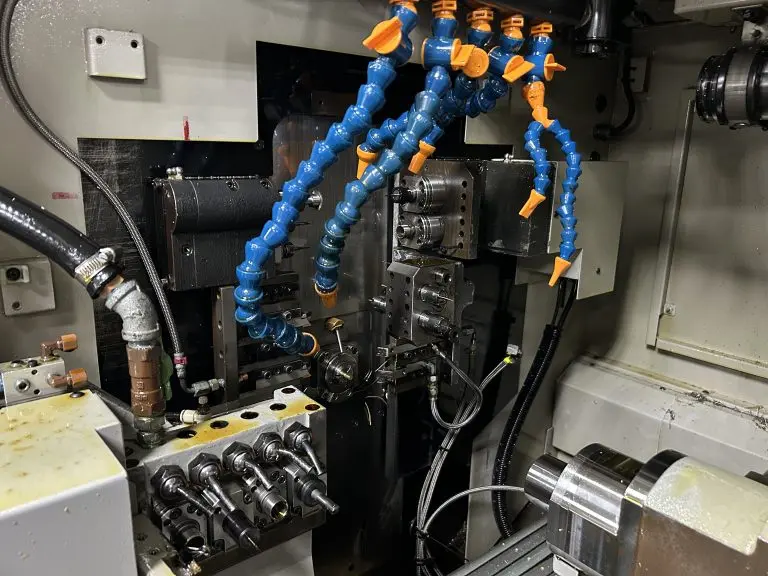
The Revolutionary Power of Water Jet Cutting: A Game-Changer for Industry and Beyond
In recent years, water jet cutting has emerged as a highly effective and innovative method for processing a wide range of materials, including thick and hard metals, glass, plastic, ceramic, and more. This cutting-edge technology has transformed various industries, from construction and manufacturing to aerospace and healthcare. In this blog post, we’ll delve into the world of water jet cutting, exploring its capabilities, benefits, and advantages over traditional cutting methods.
The Capabilities of Water Jet Cutting
Water jet cutting is a non-contact, precision-based process that uses a high-velocity jet of water to cut and shape various materials. This technology is capable of cutting through even the toughest materials, including stainless steel, aluminum, copper, steel, marble, and alloy metal, with ease. The process is particularly effective for cutting complex patterns, thick materials, and materials that are difficult to cut using traditional methods.
Accuracy and Precision
One of the most significant advantages of water jet cutting is its exceptional accuracy and precision. The machine’s precision is determined by its design, size, and thickness of the cutting part, which can range from 0.1 mm to 0.25 mm. This level of precision is unmatched by traditional cutting methods, making water jet cutting an ideal choice for complex projects that require precise execution.
Cutting Width and Bezel Edges
The width of the cutting process depends on the size and thickness of the cutting material and the nozzle used. Typically, the cutting width for sand-cut material is approximately 1.0 mm to 1.2 mm, with the cutting process becoming more precise as the diameter of the sand blade tube increases. The bevel edges produced during the cutting process are typically around 0.1 mm, which is exceptionally consistent and superior to laser cut edges.
Applications and Industries
Water jet cutting is an ideal technology for a variety of industries, including:
- Construction: Water jet cutting is essential for cutting and shaping construction materials, such as stainless steel, aluminum, and concrete, for building and bridge construction.
- Manufacturing: This technology is used to cut and shape a range of materials, including metal, plastic, and glass, for production of complex components and products.
- Aerospace: Water jet cutting is employed in the aerospace industry to cut and shape high-strength alloys, titanium, and composite materials for aircraft and spacecraft construction.
- Healthcare: This technology is used in medical applications, such as cutting and shaping medical instruments, implants, and prosthetics.
Comparison with Laser Cutting
While laser cutting has its own advantages, water jet cutting offers several benefits:
- Accuracy and Precision: Water jet cutting is more precise and accurate, with a higher level of control over the cutting process.
- Material Compatibility: Water jet cutting is capable of cutting a broader range of materials, including thick and hard materials, whereas laser cutting is limited to materials with a specific range of hardness and density.
- Cost-Effectiveness: Water jet cutting is often more cost-effective, especially for large, complex projects, as it requires less equipment and maintenance compared to laser cutting.
- Environmental Impact: Water jet cutting has a lower environmental impact, as it does not produce hazardous byproducts or generate massive amounts of heat, unlike laser cutting.
Conclusion
Water jet cutting is an innovative and game-changing technology that has transformed various industries and revolutionized the way we process materials. With its exceptional accuracy, precision, and versatility, this technology is set to continue to shape the future of manufacturing, construction, and beyond. As we continue to push the boundaries of what is possible, the potential of water jet cutting is vast and exciting, offering endless opportunities for innovation and growth.
Layout:
| Section 1: Introduction | Section 2: Capabilities of Water Jet Cutting | Section 3: Accuracy and Precision | Section 4: Cutting Width and Bezel Edges | Section 5: Applications and Industries | Section 6: Comparison with Laser Cutting | Section 7: Conclusion |
Keywords: Water jet cutting, precision cutting, laser cutting, construction, manufacturing, aerospace, healthcare, cutting width, bezel edges, accuracy, precision, cost-effectiveness, environmental impact.



















