
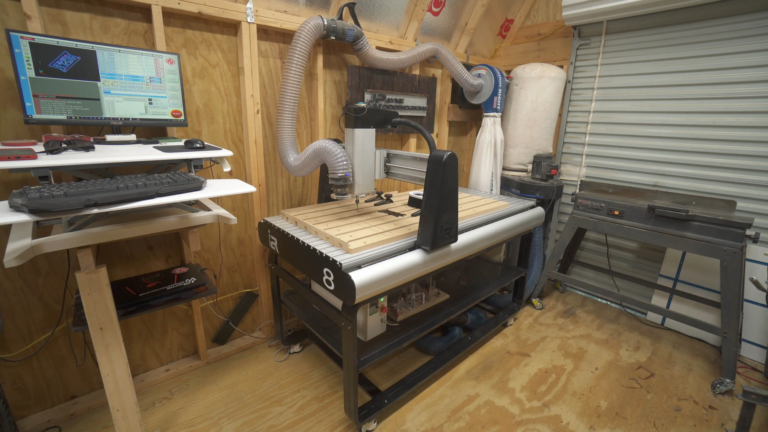
Mastering CNC Milling and Turning: A Guide to Implementing Accurate Parts
In today’s manufacturing world, accuracy is more important than ever. With the increasing demand for complex parts, CNC machining has become an important process in the production of high-quality customized parts. CNC milling and turning are two basic techniques used to achieve precise parts, but mastering them requires a deep understanding of the process. In this article, we will explore the art of CNC milling and turning to provide insights into the techniques, tools and best practices that enable precise parts.
CNC Milling: Process and Benefits
CNC milling is a machine that uses a computer controlled to remove material from a workpiece to create the material of the desired shape. The process involves moving the cutting tool, usually a rotary cutting position or end mill, removing material along a predetermined path. CNC milling provides many benefits, including:
- High Accuracy: CNC milling allows precise control of the cutting process to obtain accurate and detailed features.
- Complex Shapes: CNC milling can produce complex shapes and geometric shapes that are difficult or impossible to create in traditional manufacturing methods.
- Flexibility: CNC milling can be used with a wide range of materials including metals, plastics and composites.
CNC Turning: Process and Benefits
CNC turn is a subtraction manufacturing process that uses cutting tools to remove material from the workpiece to create the desired shape. The process involves rotating the workpiece with a cutting tool (usually a lathe or professional tool) to produce the desired shape. The CNC steering offers many benefits, including:
- High Surface Finishing: CNC rotation can produce high-quality surface finishes, making it an ideal process for producing precise parts.
- Efficiency: CNC turns are usually faster than milling, especially for producing large parts.
- Material versatility: CNC rotation can be used with a variety of materials including metals, plastics and composites.
Mastering CNC milling and turning: Best Practices
To achieve precise parts by CNC milling and rotation, best practices must be followed:
- Choose the right machine: Choose the right machine for work, consider factors such as spindle speed, feed rate and tooling.
- Select the right tool: Choose the appropriate cutting tool for the job, balance cutting speed, feed speed and tool life.
- Optimize cutting parameters: Adjust cutting parameters such as spindle speed, feed rate and coolant for optimal results.
- Monitoring and Adjustment: Continuously monitor the processing process and adjust as needed to ensure optimal results.
in conclusion
Mastering CNC milling and turning requires in-depth understanding of the process, machine selection, tools and best practices. By combining the correct machine selection, tools and cutting parameters, you can achieve precise parts that meet the required standards. Remember to monitor and adjust the process to ensure optimal results. With the increasing demand for complex parts, CNC milling and turning are important technologies in the production of high-quality customized parts. By embracing these technologies, you can achieve precise parts that meet the needs of the modern manufacturing world.
FAQ
Q: What is CNC processing and what are its benefits?
A: CNC machining is a material that uses a computer-controlled machine to remove material from a workpiece to create the desired shape. The benefits of CNC machining include high precision, complex shapes and flexibility.
Q: What is the difference between CNC milling and turning?
A: CNC milling is a subtraction process that uses cutting tools to remove material from workpieces. CNC rotation is an additive process involving rotating the workpiece using a cutting tool. CNC milling is often used in complex shapes, and CNC rotation is ideal for producing large parts with high surface finishes.
Q: What are the best practices for mastering CNC milling and turning?
A: Mastering the best practices of CNC milling and rotation include choosing the right machine, choosing the right tools, optimizing cutting parameters, and constantly monitoring and adjusting the process.
Q: What are the benefits of choosing strong light for CNC machining services?
A: Great Light is a professional five-axis CNC processing manufacturer, providing advanced five-axis CNC processing equipment and production technology. Our team of experts can solve metal parts manufacturing problems and provide one-stop post-processing and completion services to ensure high-quality precision parts at the best price.



















