
Advantages of CNC machining: Why precision is important in manufacturing
In today’s fast-paced and highly competitive manufacturing industry, Precision engineering is essential to producing high-quality products that meet stringent performance and safety standards. One of the most effective ways to achieve precise engineering is through computer numerical control (CNC) processing. In this blog post, we will explore the advantages of CNC machining and why it is the go-to choice for custom precision parts.
What is CNC machining?
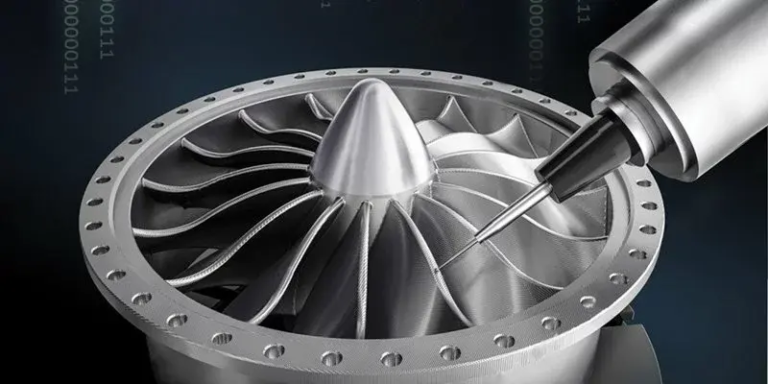
CNC machining is a manufacturing process that uses computer-controlled machines to accurately cut and shape metal or plastic parts. The process involves a range of interconnected machinery, including computer-aided design (CAD) software, computer numerical control (CNC) machines and cutting tools. This technology allows precise control of the machining process to ensure consistent results and high-quality parts.
Advantages of CNC machining
- High precision: CNC machining allows precise control of the machining process, resulting in tight tolerances and accurate dimensions of parts.
- Rapid production: Using CNC machining, production time is greatly reduced because the machine can perform complex tasks quickly and efficiently.
- Improve accuracy: Computer-controlled processes ensure fewer human errors and more accurate results, reducing the need for rework and scrap.
- flexibility: CNC machining can easily modify existing designs and rapid prototyping, making it an ideal solution for companies with ever-changing design needs.
- consistency: The use of standardized parts and processes ensures consistent production, improves product quality and reduces defects.
Benefits of CNC processing in different industries
- Aviation Industry: CNC machining is crucial in the aerospace industry and is for the production of high-precision parts such as aircraft components, engine components and satellite components.
- Automotive Industry: CNC machining is used to manufacture automotive parts such as engine components, suspension components and drive train components, requiring high accuracy and accuracy.
- Medical industry: Use CNC machining to produce medical devices that require accuracy and accuracy, such as surgical instruments, implants and prosthetics.
- Industrial Equipment Industry: CNC machining is used to produce high-precision parts that require precision and accuracy in industrial equipment such as pumps, gears and turbines.
in conclusion
In short, CNC machining offers many advantages including high precision, rapid generation, accuracy, flexibility and consistency. These benefits make it an ideal solution for a variety of industries that require precise engineering. As a leading CNC machining manufacturer, we are very willing to provide high-quality custom precise parts to meet customer needs. Whether you need a piece or a large number of parts, we have the expertise and technology that you provide.
FAQ
- What is CNC machining?
CNC machining is a manufacturing process that uses computer-controlled machines to accurately cut and shape metal or plastic parts. - Is CNC machining suitable for all types of materials?
CNC machining can be used to handle a wide range of materials, including metals, plastics and composites, depending on the specific requirements of the project. - What are the benefits of CNC processing?
The benefits of CNC machining include high precision, rapid generation, accuracy, flexibility and consistency. - Can I use CNC machining for prototype production?
Yes, CNC machining is perfect for prototyping because it can quickly produce accurate and precise parts. - How do I know if CNC machining is suitable for my project?
If you need high-precision parts, complex shapes, or limited production volume, CNC machining may be the best choice for your project.



















