
CNC Milling 101: Beginner’s Guide
As a beginner in the field of manufacturing or industrial production, navigating in the complex world of CNC (Computer Numerical Control) Milling can be overwhelming. In this article, we will break down the basics of CNC milling, its benefits, and how it is used in various industries, providing a comprehensive guide for those who want to get started.
What is CNC milling?
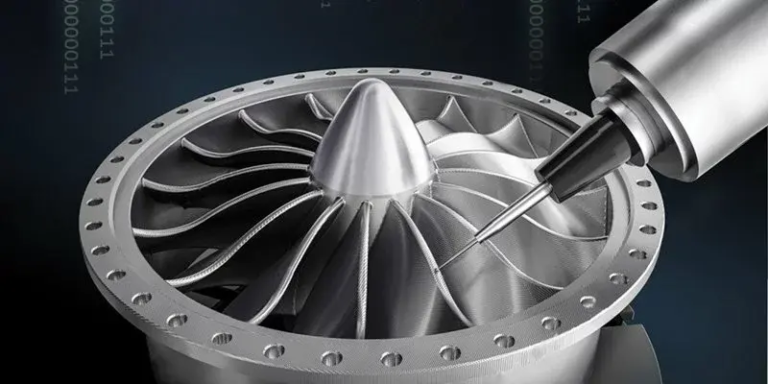
CNC milling is a material that uses a computer-controlled machine tool to remove material from workpieces and creates accurate three-dimensional products. The process involves the use of a rotary cutting tool, such as a milling drill or drill, to remove the material of the workpiece from the workpiece after a pre-programmed design or specification.
CNC milling type
There are several types of CNC milling, including:
- 2.5 Axis Milling: This is the most basic type, using milling positions to remove material from the surface of the workpiece.
- 3-axis milling: This type of milling uses other axes to control the movement of the milling tool, thus making the design more accurate and complex.
- 4-axis and 5-axis milling: These advanced milling types use more axes to control the movement of the milling tool, making the design more accurate and complex.
How does CNC milling work?
The CNC milling process involves several key steps:
- design: Artifact design is created using computer-aided design (CAD) software or other design tools.
- G code generation: Design conversion to G-Code, which is the programming language understood by CNC computers.
- set up: The workpiece is connected to the CNC machine and position the milling tool.
- Processing: The CNC machine reads the G code and controls the movement of the milling tool and removes the material from the workpiece according to the design specifications.
- examine: Check the accuracy and quality of finished workpieces.
Benefits of CNC milling
CNC Milling offers several benefits, including:
- High precision: CNC milling allows precise control of the manufacturing process, resulting in accurate and repeatable results.
- Rapid production:CNC milling can produce parts quickly, making it an ideal solution for mass production.
- Complex design: CNC milling allows the creation of complex designs including curved and tapered surfaces.
- Cost-effective: CNC milling is more cost-effective than traditional manufacturing methods, especially for high-precision or low-volume production.
Industry using CNC milling
CNC milling is used in a variety of industries including:
- aerospace: Used to produce aircraft parts and components.
- car: Used to produce engine components, gears and other precision parts.
- Medical: Used to produce surgical instruments, implants and other medical equipment.
- vitality: Used to produce turbine blades, generator parts and other high-precision components.
in conclusion
In this article, we introduce the basics of CNC milling, including its definition, types, and benefits. We also explored the process of CNC milling and the industry that uses it. Whether you are a beginner or an experienced manufacturing professional, understanding the basics of CNC milling can help you make informed decisions about your manufacturing process.
FAQ
Q: What is the maximum depth that a CNC milling machine can achieve?
A: The maximum depth that a CNC milling machine can achieve depends on the function of the machine and the milling position used. Typically, CNC milling machines can reach depths up to 10 inches (25.4 cm) or more.
Q: Can CNC milling be used for prototyping?
A: Yes, CNC milling is often used for rapid prototyping, allowing for quick and accurate creation of test parts and models.
Q: What are the advantages of 5-axis CNC milling over 3-axis milling?
A: 5-axis CNC milling provides more precision and control over the milling process, allowing for more complex designs and shapes.
Q: Can CNC milling be used for surface finishes?
A: Yes, CNC milling can be used to create surface finishes, such as grinding and polishing, to improve the appearance and functionality of the finished product.



















