
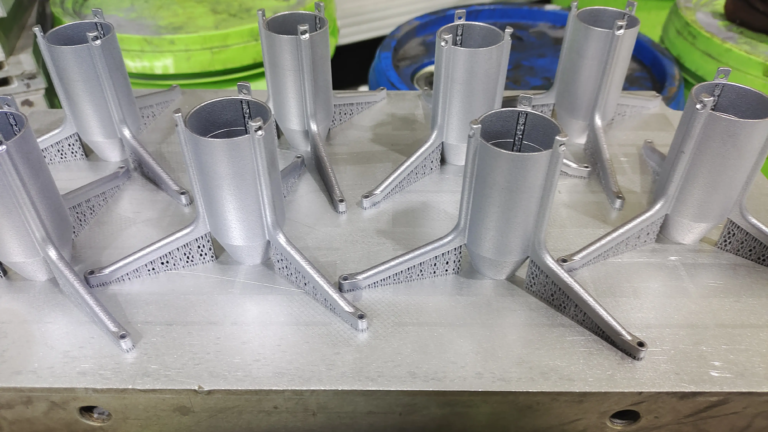
As the world increasingly relies on technology, the demand for skilled professionals in the CNC processing field is rising. With the advancement of CNC machining, the complexity of manufacturing parts has increased, and the demand for highly skilled professionals has become more urgent. Mastering CNC machining requires an in-depth understanding of the equipment, software and processes involved in precise parts production.
In today’s manufacturing landscape, CNC processing is an important part of the production process. CNC machining refers to the use of a computer-controlled machine to manufacture parts by cutting, drilling or grinding materials. The process involves the use of computer-aided design (CAD) software, computer numerical control (CNC) machines, and dedicated tools for creating precise parts.
To become a master of CNC processing, you need to have a combination of technical skills, knowledge and hands-on experience. Degrees in related fields such as mechanical engineering, manufacturing engineering or computer-aided design (CAD) are often a good starting point. In addition to formal education, hands-on experience and training are also crucial to developing the necessary skills.
There are many benefits to pursuing a CNC machining degree. For example, CNC machining is a highly demanding area with insufficient supply of skilled professionals. As a result, wages are often higher than those in other manufacturing sectors. In addition, CNC machining is an area that requires continuous learning and skill upgrades, which means that professionals in this field can expect continuous opportunities for professional growth and development.
Another important advantage of pursuing a CNC machining degree is the flexibility it provides. CNC processing is an important part of many industries, including aerospace, automotive, medical equipment and consumer products. As a result, skilled professionals can find employment opportunities in different departments and regions.
In short, pursuing a CNC machining degree can be an excellent career choice for those interested in manufacturing and production fields. With the growing demand for precise parts and limited supply of skilled professionals, the work prospects are bright and promising. By combining formal education with hands-on training and ongoing learning, professionals can develop the necessary skills to succeed in the field and address the challenges they raise.
FAQ:
Q: What is CNC processing?
A: CNC machining is the use of computer-controlled machines to make parts by cutting, drilling or grinding to remove materials.
Q: What is the difference between CNC processing and traditional processing?
Answer: CNC processing uses computer-controlled machines, while traditional processing is manual and requires high-level human intervention.
Q: What is the most common type of CNC machines?
A: The most common types of CNC machines are lathes, milling machines and drilling rigs.
Q: What is the typical salary range for CNC processing professionals?
A: The salary range for CNC processing professionals varies by industry, location, and experience level, but annual salary ranges from $40,000 to $80,000.
Q: What are the most important skills for CNC processing professionals?
Answer: The most important skills of CNC processing professionals include knowledge of CAD software, operation of CNC machines, and problem-solving skills.



















