
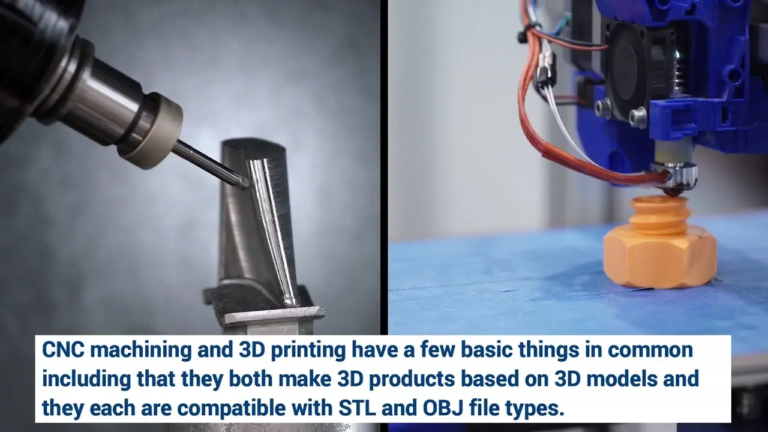
Does CNC machining sound difficult?
When it comes to CNC machining, many people may consider this to be a complex and difficult process. While CNC machining does require specialized knowledge and equipment, it is not necessarily as difficult as it sounds. In this blog post, we will explore the basics of CNC machining and uncover the mystery of the process.
CNC machining or computer numerical controlled machining is a manufacturing process that uses computer-controlled machinery to cut and shape materials such as wood, metal and plastic. The term “CNC” is often associated with cutting-edge technology, which can make it look daunting. However, with the right equipment and training, CNC machining can be an accurate and effective method for producing high-quality parts.
CNC machining is essentially about using computer programs to control a machine tool, such as a milling machine or lathe, to perform a specific task. This program or G-code provides a set of instructions for the machine to guide cutting, drilling or drilling or shaping materials according to the required specifications.
In theory, any part can be processed using CNC technology, from tiny, precise components to large, complex components. The process involves several key steps including part design, programming, setup and execution. It requires attention to detail, accuracy and a good understanding of the materials used.
Although CNC machining can be a complex process, it is not necessarily difficult. With the right training and equipment, anyone can learn to operate a CNC machine. In fact, many processing stores and manufacturers offer training programs to help new employees develop the skills they need to use CNC machines.
In addition to the skills required to operate the machine, CNC machining requires a strong understanding of the design and programming process. This includes understanding computer-aided design (CAD) software, programming languages, and specific requirements for the parts being manufactured.
CNC machining has many benefits, including:
*Accuracy: CNC machines are able to produce parts with extremely high precision, making them ideal for applications where accuracy is critical.
*Speed: CNC machining can be faster than traditional machining methods, allowing manufacturers to produce parts faster and more efficiently.
*Veriodic: CNC computers can be used to use a wide range of materials from metal to plastic and composite materials.
*Cost-effectiveness: CNC machining is more cost-effective than traditional machining methods, especially for complex or customized parts.
in conclusion
Anyway, CNC machining is not as difficult as it sounds. Although it requires specialized training and equipment, it is a process that can be learned and mastered through practice and patience. Whether you are an experienced mechanic or just starting out, you never have a better time to get involved in CNC machining.
FAQ
Q: What is CNC processing?
A: CNC machining is a manufacturing process that uses computer-controlled machinery to cut and shape materials such as wood, metal and plastic.
Q: How does CNC machining work?
A: CNC machining uses computer programs or G codes to control machine tools, such as milling machines or lathes, to perform specific tasks.
Q: What are the benefits of CNC processing?
A: CNC machining provides accuracy, speed, versatility and cost-effectiveness.
Q: Is CNC processing difficult to learn?
A: Although CNC processing requires specialized training and equipment, this is not necessarily difficult. With the right training and equipment, anyone can learn to operate a CNC machine.



















