
Mastering the Principles of Composition and Control in CNC Servo-Hydraulic Systems: A Deep Dive
In the realm of modern manufacturing, Computer Numerical Control (CNC) servo-hydraulic systems have revolutionized the way we produce complex parts and components with high precision and speed. At the heart of these systems lies the intricate dance of composition and control, where coordination between mechanical, hydraulic, and electronic components is crucial for optimal performance. In this article, we will delve into the fundamental principles of composition and control involved in CNC servo-hydraulic systems, providing a comprehensive understanding of these intelligent machines.
Composition: The Building Blocks of CNC Servo-Hydraulic Systems
A CNC servo-hydraulic system consists of three primary components: the mechanical, hydraulic, and electronic subsystems. Each module plays a vital role in the overall functioning of the system, and their harmonious integration is essential for achieving exceptional precision, flexibility, and reliability.
- Mechanical Subsystem: The mechanical subsystem is responsible for the movement of machine tools, such as linear axes, gantry systems, or rotating tables. This system’s key components include:
- Machine frames: Provide the structural foundation for the system.
- Precision bearing systems: Ensure smooth, precise movement.
- Linear guides: Offer long-term stability and repeatability.
- Hydraulic Subsystem: The hydraulic subsystem provides the power to drive the mechanical components, utilizing pressurized fluid to deliver accurate control and precise movement. Key components include:
- Hydraulic pumps: Generate the necessary pressure and flow rates.
- Valves: Regulate flow, pressure, and direction.
- Cylinders: Convert hydraulic energy into mechanical motion.
- Electronic Subsystem: The electronic subsystem acts as the brain of the CNC servo-hydraulic system, controlling and monitoring the entire operation. Key components include:
- Control units: Process coded instructions and send signals to the machine.
- Sensors: Monitor system performance, detecting vibrations, temperatures, and movement parameters.
- Actuators: Convert electrical signals to mechanical motion or hydraulic pressure.
Control: The Art of Coordination and Synchronization
The control aspect of a CNC servo-hydraulic system is critical, as it oversees the harmonious integration of the mechanical, hydraulic, and electronic components. Effective control ensures:
- Positioning accuracy: Maintains precise location and orientation of the machine tool.
- Velocity control: Regulates the speed and acceleration of the machine.
- Force control: Enables precise control over the applied pressure and force.
- Monitoring and feedback: Tracks system performance, detecting anomalies and adjusting parameters as necessary.
To achieve this level of control, CNC servo-hydraulic systems employ advanced technologies, such as:
- Controller-based control: Utilizes sophisticated control units, often featuring high-performance processors and advanced algorithms.
- Sensor-based control: Leverages precise sensor data to monitor and adjust system performance.
- Model-based control: Uses mathematical models to predict and control system behavior.
- Fuzzy logic control: Applies artificial intelligence and machine learning principles to adapt to varying system conditions.
Principles of Composition and Control in Action
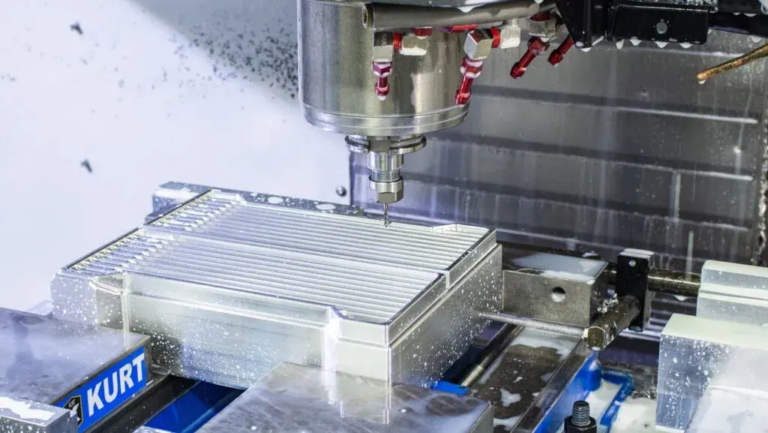
To illustrate the principles of composition and control in CNC servo-hydraulic systems, let’s consider a typical CNC milling machine. A high-precision numerical control (NC) system, consisting of a control unit, sensors, and actuators, receives coded instructions from a computer program. The control unit processes these instructions, sending signals to the machine’s mechanical, hydraulic, and electronic components.
The mechanical subsystem’s linear guides ensure precise movement, while the hydraulic subsystem’s cylinders convert pressurized fluid into mechanical motion. Simultaneously, the electronic subsystem monitors system performance, detecting potential issues and adjusting parameters to maintain optimal operation. The controller sends feedback signals to the control unit, which adjusts the machine’s behavior in real-time, ensuring precise positioning and top-tier performance.
Conclusion
The fundamental principles of composition and control in CNC servo-hydraulic systems are intricately intertwined, with each component playing a vital role in the overall functioning of the machine. By understanding the separate components and their interplay, manufacturers can optimize their systems for exceptional performance, precision, and reliability. Whether in industries like aerospace, automotive, or medical, the principles of composition and control in CNC servo-hydraulic systems continue to drive innovation and precision in manufacturing, shaping the future of production and shaping the world around us.



















