
Medical devices play a vital role in improving patient health outcomes, and the manufacturing process behind these devices requires precision and accuracy. CNC machining is a critical step in the production of medical equipment because it allows the creation of complex shapes and high-precision parts with minimal human intervention. In this article, we will explore the role of CNC processing in medical device manufacturing and its benefits.
CNC machining or computer numerical control machining is a process of removing material from a blank piece of material, such as metal or plastic, using a computer-controlled machine to create parts with a specific shape or design. In the context of medical device manufacturing, CNC machining is used to create complex shapes such as implantable devices, surgical instruments and diagnostic devices.
One of the main benefits of CNC machining in medical device manufacturing is its ability to have high precision and accurate parts. The use of CNC machines allows the creation of parts that are tightly tolerant, which is critical in medical devices, and even the smallest deviations can have serious consequences. In addition, CNC machining is able to create complex shapes and designs that are difficult to produce using traditional manufacturing methods.
Another important advantage of CNC machining in medical device manufacturing is its ability to reduce lead time and improve scalability. CNC machines can run throughout the day to quickly produce parts and reduce the time it takes to put products on the market. This is especially important in the medical device industry, where innovation and speed can save lives.
In addition to its benefits, CNC processing also faces some challenges. One of the main challenges is ensuring the accuracy and accuracy of the generated parts. This requires close collaboration between design engineers, manufacturing engineers and quality control teams to ensure that the parts meet the necessary standards.
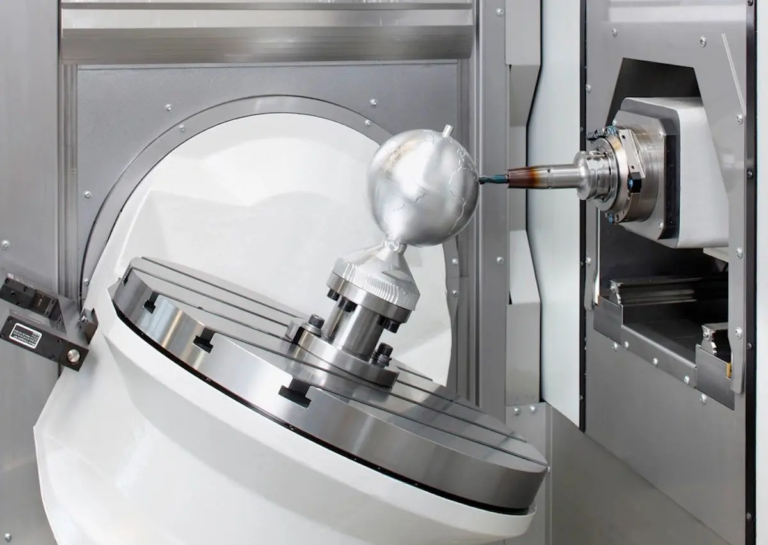
To address these challenges, medical device manufacturers are turning to advanced technologies such as five-axis CNC machining, which combines multiple motion axes to create complex shapes and designs. This allows for higher accuracy and accuracy to create parts while reducing lead times and improving scalability.
In short, CNC machining is a key component of medical equipment manufacturing and provides many benefits for the production of high-precision parts. Its ability to produce complex shapes, reduce lead times and improve scalability makes it an attractive choice for medical device manufacturers.
FAQ:
Q: What is CNC processing and how to use it in medical equipment manufacturing?
A: CNC machining is a process of removing materials from a blank piece of material using a computer-controlled machine, creating parts with a specific shape or design. In medical device manufacturing, CNC machining is used to create complex shapes such as implantable devices, surgical instruments and diagnostic devices.
Q: What are the benefits of using CNC machining in medical equipment manufacturing?
A: The benefits of CNC machining in medical equipment manufacturing include its accuracy and accuracy, reduced lead time and increased scalability.
Q: What are the challenges related to CNC machining in medical equipment manufacturing?
A: Some challenges related to CNC machining in medical equipment manufacturing include ensuring the accuracy and accuracy of the parts produced, which requires close collaboration between design engineers, manufacturing engineers and quality control teams.
Q: What advanced technologies are used in CNC processing and how can medical device manufacturers benefit?
A: Some advanced techniques used in CNC machining include five-axis CNC machining, which combines multiple motion axes to create complex shapes and designs. This allows for higher accuracy and accuracy to create parts while reducing lead times and improving scalability.



















