
CNC machining fundamentals: a comprehensive guide
CNC machining is a process used to create complex and precise parts by using computer-controlled machines. It involves programming the machine using computer-aided design (CAD) software to perform the required operations. In this article, we will explore the basic principles of CNC machining, its benefits and different types of CNC machines.
What is CNC machining?
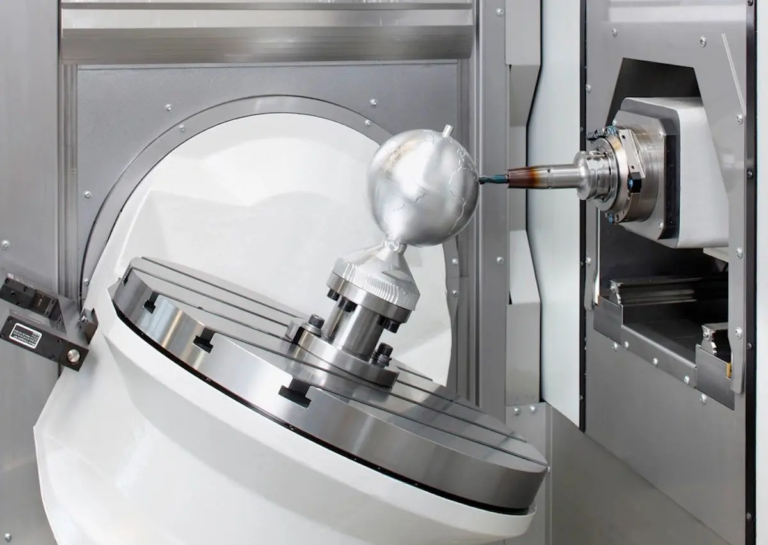
CNC machining is a subtractive manufacturing process that involves removing material from workpieces to create the desired shape. The process involves three main components: a computer, a machine and a cutting tool. The computer is used to create programs for controlling the machine, equipped with cutting tools such as drilling or milling cutters. Use computer programming instructions to remove the cutting tool from the machine, which allows precise control of the machining process.
Types of CNC machines
There are several types of CNC machines, including:
- Lathe: Lathe is a CNC machine for rotating or with cylindrical parts. It is often used for tasks such as cutting, drilling and turning.
- Milling Machine: Milling machines are CNC machines used to cut and shape metal parts. It is commonly used in tasks such as milling, drilling and grinding.
- Drilling rig: A drilling rig is a CNC machine used to create holes in metal parts. It is often used in tasks such as drilling and thunder.
Advantages of CNC machining
CNC machining has several advantages in traditional machining. These include:
- Accuracy: CNC machines can produce parts with precise accuracy, which is impossible with traditional machining methods.
- Speed: CNC machines are much faster than traditional machines, which can make production times faster and improve productivity.
- Flexibility: The CNC machine can be programmed to perform various operations to make it highly useful.
- Reduced labor costs: CNC machines require less labor compared to traditional processing methods.
in conclusion
In short, CNC machining is a complex and precise process with multiple advantages over traditional machining methods. It is an essential tool for creating complex parts with high precision and precision. Whether you want to create accurate and precise parts for aerospace, automotive, or medical applications, CNC machining is the way to go.
FAQ
Q: What is the difference between CNC and traditional processing?
Answer: CNC machining is a computer-controlled process, while traditional machining is manually or manually controlled.
Q: What are the benefits of CNC processing?
A: CNC machining provides accuracy, speed, flexibility and reduced labor costs.
Q: What types of parts can CNC machining create?
A: CNC machining can be used to create a variety of parts, including aerospace, automotive, medical and consumer products.
Q: Can CNC machining be used for complex parts?
A: Yes, CNC machining is ideal for creating complex parts with multiple functions, smaller tolerances and high precision.
Q: What are the limitations of CNC processing?
Answer: CNC machining requires a high level of expertise and programming knowledge and can be limited by equipment costs and the needs of professional software.



















