
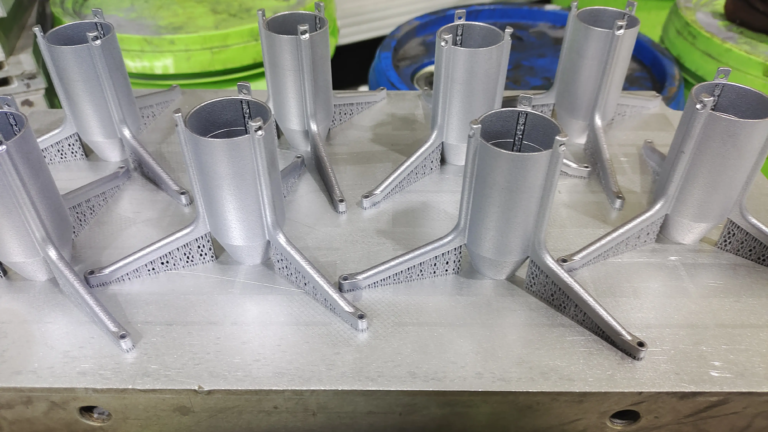
Joint CNC machining: Advantages and disadvantages
The world of manufacturing depends to a large extent on precision and efficiency. In recent years, computer numerical control (CNC) processing has become an increasingly popular method to achieve these goals. But, like any technology, CNC machining has its advantages and disadvantages. In this article, we will dig into the benefits and limitations of CNC machining to help you make informed decisions about your manufacturing needs.
advantage:
High precision: CNC machining can produce parts with extremely high accuracy, meeting the highest standards of accuracy and quality. The use of computer-controlled machines and precise cutting tools ensures minimum errors in human error, resulting in products that meet the required standards.
Improve efficiency:CNC machining is a fast manufacturing process that can produce parts at a rate of thousands per hour. This increased efficiency translates into reduced production time and reduced costs, which is an attractive option for companies looking to simplify their manufacturing processes.
Save costs: CNC processing can save a lot of costs by reducing the demand for manual labor and reducing the risk of human error. Companies can also invest in automation to further reduce labor costs and increase efficiency.
Various materials:CNC machining can be used with a variety of materials, including metals, plastics and composites. This versatility allows the production of complex parts with unique characteristics such as strength, flexibility and durability.
- custom made: CNC machining can be used to produce customized parts to meet specific requirements. This level of customization is particularly important in industries where standard parts do not meet performance or functional requirements.
shortcoming:
Initial investment: While CNC machining can be an effective and cost-effective approach, initial investment in equipment and training can be very expensive for some companies.
Operator proficiency: CNC machining requires highly skilled operators and an in-depth understanding of machine operation and maintenance. This can be a challenge for companies looking to implement the technology.
Limited material capacity: Although CNC machining can be used with a range of materials, it is not suitable for all materials. The use of certain materials may require specialized equipment or processing techniques, thus limiting the scope of the technology.
Set time: The setup time of the CNC computer can be very long, which may affect overall productivity. Instead, it has been proven that using advanced machine tools and automation software can greatly reduce setup time.
- High maintenance: CNC machines require regular maintenance to ensure optimal performance. This can be time-consuming and expensive, especially for companies with limited technical expertise or resources.
in conclusion:
CNC machining is a valuable tool for manufacturers who want to produce customized parts with precision and efficiency and high quality. Despite its limitations, the advantages of CNC machining far outweigh the disadvantages. By understanding the benefits and disadvantages of CNC machining, companies can make informed decisions about the optimal manufacturing process for their specific needs. Whether you want to improve accuracy, reduce costs or increase efficiency, CNC machining is an excellent choice to consider.
FAQ:
Q: What is CNC processing?
A: CNC machining is a manufacturing process that uses a computer-controlled machine to remove materials from workpieces to create precise and complex shapes.
Q: What are the benefits of CNC processing?
A: The benefits of CNC machining include high precision, improved efficiency, cost savings, various materials and customization.
Q: What are the disadvantages of CNC processing?
A: Disadvantages of CNC machining include high initial investment, operator proficiency, limited material functions, setup time and maintenance.
Q: Is CNC machining suitable for all materials?
A: No, CNC processing is not suitable for all materials. The use of certain materials may require specialized equipment or processing technology.
Q: How do I know if CNC processing is suitable for my company?
A: If you want to produce high-quality custom parts with precision and efficiency, CNC machining may be a suitable choice. Consider your company’s specific needs and requirements to determine if CNC machining is the best choice.



















