
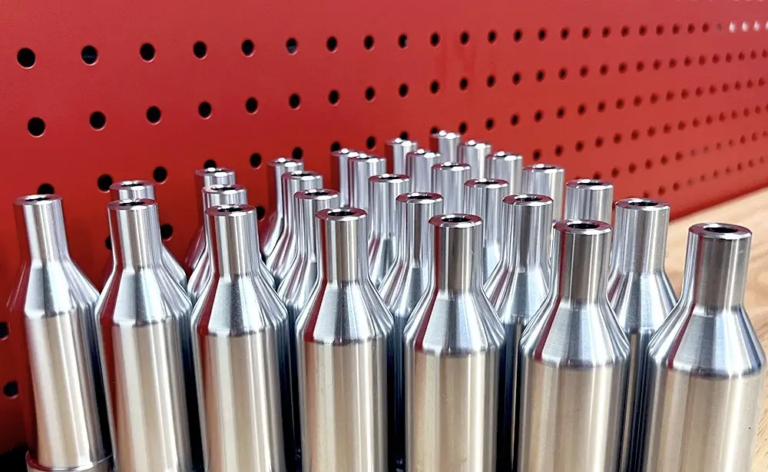
Discover the art of precision through CNC machining schools
In today’s world of precision engineering, precise art is a key aspect of creating high-quality products. For industries that require strict tolerances, accuracy is more than just a benefit – it is necessary. This is where CNC machining comes from, providing a reliable, efficient way to make precise parts. In this blog post, we will explore the art of precision through CNC machining schools and why it is crucial to industries that require tolerances.
What is CNC machining?
CNC (Computer Numerical Control) machining is a manufacturing process that uses computer-controlled machines to cut, form and form various materials such as metals, plastics and other materials. CNC computers use numerical control instructions called G codes to guide cutting tools or cutting bits, allowing precise control and repeatability. This process makes creating complex parts with complex designs and tight tolerances, making it an ideal approach for industries requiring high precision, such as aerospace, automotive, medical and defense.
Benefits of CNC machining
CNC machining offers a variety of benefits, including:
- Accurate tolerances: CNC machines can achieve tolerances up to 0.0001 inches, which is an ideal process for applications requiring precise parts.
- High speed and efficiency: CNC machines can cut, grind and shape materials at incredible speeds, reducing production time and increasing productivity.
- Complex parts production: CNC machines can create complex parts using complex designs, curves and surfaces, making them an ideal process for aerospace, medical and automotive applications.
- custom made: CNC machines can be programmed to produce custom parts, resulting in production flexibility and versatility.
How CNC Processing Schools Help
For those interested in learning the art of precision through CNC machining, CNC machining schools provide a comprehensive education on the principles and practices of CNC machining. CNC Processing School provides students with theoretical and hands-on training covering the following topics:
- Basic knowledge of CNC processing: An introduction to the basics of CNC machining, including programming, safety and machine operation.
- CNC programming: In-depth training of programming languages such as G code and CNC ADED Design (CAD) to create precise parts.
- Machine operation and maintenance: Hands-on training on machine operation, maintenance and troubleshooting.
By attending a CNC machining school, students will gain the knowledge and skills required to master CNC machining, allowing them to excel in industries where precision and accuracy are required.
in conclusion
In short, CNC machining is an important part of modern manufacturing, providing precise control and repeatability. For industries that require high precision, CNC machining is an indispensable process. By understanding the benefits of CNC machining and attending CNC machining schools, individuals can learn the art of precision and produce high-quality parts with confidence. Whether you are an engineer, designer or manufacturer, CNC machining is an essential skill.
FAQ
Q: What are the benefits of CNC processing?
A: CNC machining provides accurate tolerances, high speed and efficiency, complex parts production and customization.
Q: What is the G code in CNC processing?
A: G code is a programming language used in CNC machining that can guide machines to cut, shape or form.
Q: Can CNC machining be used for customization?
A: Yes, CNC machines can be programmed to produce custom parts, resulting in production flexibility and versatility.
Q: What are the industries that benefit from CNC processing?
A: Industries that benefit from CNC processing include aerospace, automotive, medical and defense.
Q: How to learn CNC processing?
A: Take a CNC machining school or online course to understand the principles and practices of CNC machining, including programming, machine operation and maintenance.



















