
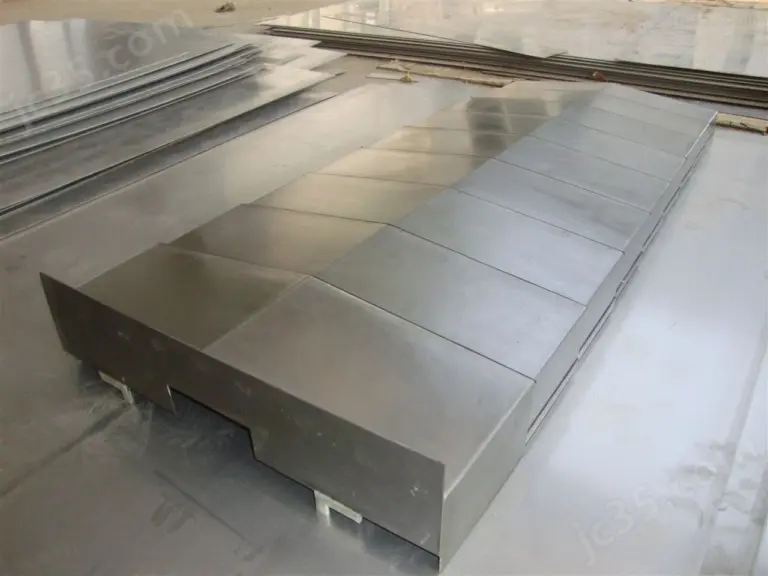
The Significance of Chongqing Magnetic Flea Machines in Modern Industry
In the ever-evolving landscape of manufacturing, the importance of machines that can effectively separate and recover metallic chips from production processes cannot be overstated. One such machine that has garnered significant attention in recent times is the Chongqing magnetic flea machine. This equipment has found widespread use in various industries, including mechanical transformation, automobile manufacturing, mold manufacture, electronics, and metallurgy. In this blog post, we will delve into the world of Chongqing magnetic flea machines and explore their significance in modern industry.
Principle of Operation
The working principle of Chongqing magnetic flea machines is based on the integration of a powerful magnet to generate a strong magnetic field. This field attracts and captures the metallic chips, allowing for their effective separation and recovery. The machine’s performance is largely dependent on the quality of the magnet and its ability to withstand the rigors of continuous operation.
Applications
The Chongqing magnetic flea machine has been successfully deployed in various industrial sectors, including:
- Mechanical transformation industry: In this industry, machining processes such as drilling, milling, and grinding generate a considerable amount of metallic chips. The Chongqing magnetic flea machine helps to separate and recover these chips, reducing the risk of contamination and improving process efficiency.
- Automotive manufacturing industry: During the treatment and assembly of parts, metal chips can cause significant damage to equipment and affect product quality. The Chongqing magnetic flea machine helps to recover and recycle these chips, reducing waste and improving the overall efficiency of the manufacturing process.
- Mold manufacturing industry: In the production of molds, the Chongqing magnetic flea machine is used to separate and clean the metal chips from the cooling liquid, ensuring a precise and efficient manufacturing process.
- Electronics and electrical industry: In the finely detailed treatments of electronic components, the Chongqing magnetic flea machine helps to manage tiny metal chips, ensuring the quality of the final product.
- Metallurgy industry: During the metal fusion process, the Chongqing magnetic flea machine recovers raw materials and improves production efficiency.
Benefits
The Chongqing magnetic flea machine offers a range of benefits to industries, including:
- Improved production efficiency: By reducing the impact of metal chips on equipment, the machine minimizes downtime and increases overall production efficiency.
- Reduced labor costs: Automated cleaning processes reduce manual intervention and labor costs.
- Improved treatment accuracy: A clean processing environment ensures improved part treatment accuracy.
- Extended equipment lifespan: Regular cleaning prevents equipment wear and tear, extending its lifespan.
- Environmental protection and safety: The machine reduces metal chips in the factory environment and improves workplace safety.
Maintenance of Chongqing Magnetic Flea Machines
To ensure optimal performance, regular maintenance is crucial for Chongqing magnetic flea machines. This includes:
- Regular inspection: Regularly check the resistance and adsorption capacity of the magnet to ensure it does not decrease during use.
- Cleaning: Keep the equipment surface clean to avoid the accumulation of metallic shavings and normal operation.
- Lubrication: Regularly lubricate moving parts to reduce friction and extend the lifespan.
- Electric maintenance: Regularly inspect electrical components to ensure normal operation and prevent equipment failure.
- Regular testing: Perform regular performance tests to ensure all equipment parameters meet the requirements of use and identify potential issues early on.
In conclusion, the Chongqing magnetic flea machine is a valuable addition to any industry that requires the effective separation and recovery of metallic chips. With its ease of operation, high efficiency, and reduced labor costs, it is an essential tool for ensuring the smooth and efficient operation of manufacturing processes. By understanding the principles of operation, applications, benefits, and maintenance requirements, industries can harness the full potential of these machines and reap the rewards of improved productivity, reduced costs, and enhanced environmental sustainability.



















