
The Art of Machining Thin Trees: Strategies for Precise Turn and Deformation Reduction
Thin trees, characterized by their slender diameters and lengths, are often a challenge to machine due to their inherent rigidity and flexibility. As a result, deformations and flexions can occur during the turning process, compromising the quality of the finished product. In this article, we will explore the factors that contribute to these deformations, and more importantly, the strategies for mitigating them.
Factors Contributing to Deformations in Thin Trees
Several factors can contribute to the deformation of thin trees during machining. These include:
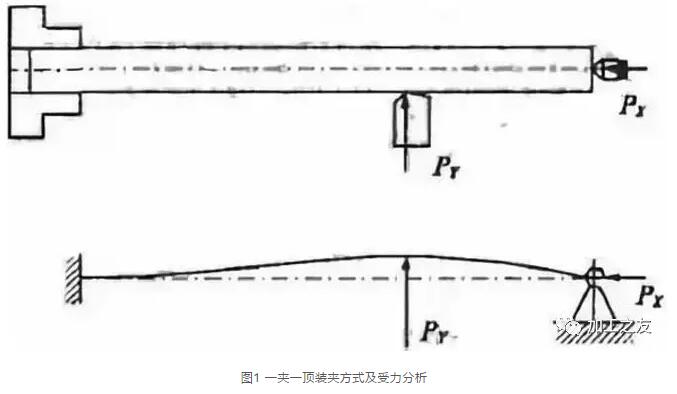
- Cutting Force: The cutting force generated during the turning process can cause the thin tree to bend or flex, leading to deformation.
- Cutting Heat: The cutting heat generated during the process can cause the thin tree to expand, leading to axial deformation.
- Axial Cutting Force: The axial cutting force can cause the thin tree to bend or flex, leading to deformation.
- Tool Geometry: The geometry of the cutting tool can also affect the deformation of the thin tree.
Strategies for Mitigating Deformations in Thin Trees
To minimize deformations in thin trees, several strategies can be employed. These include:
- Choosing the Right Tightening Method: Two common methods of tightening thin trees are: high double tightening and hand tightening. High double tightening is generally preferred, as it allows for more precise positioning and reduces the risk of flexion deformation.
- Direct Reduction of Constraint Deformation: This can be achieved through the use of a mandrel and a central support, or by using an axial traction tightening method.
- Reverse Cutting Method: In this method, the cutting tool is rotated in the opposite direction to the part, reducing the risk of flexion deformation.
- Magnetic Cutting Method: This method uses magnetism to stretch the thin tree, reducing the risk of deformation.
- Rational Tool Selection: Selecting the right cutting tools and cutting parameters is crucial to minimize deformations. This includes:
- Cutting Depth: Minimizing cutting depth can reduce the risk of deformation.
- Power: Increasing power can reduce cutting force, but needs to be balanced with insufficient cutting speed.
- Cutting Speed: Reducing cutting speed can help reduce cutting force, but may increase cutting heat.
- Tool Angle: Selecting the right tool angle can also help reduce cutting force and improve the quality of the finished part.
Conclusion
Machining thin trees requires a deep understanding of the factors that contribute to deformation and the strategies for mitigating them. By adopting the right tightening methods, using advanced processing techniques, and selecting the right cutting tools, manufacturers can ensure the quality of their products and minimize the risk of deformation. In this article, we have explored the art of machining thin trees, highlighting the key factors and strategies that can help manufacturers achieve high-quality products.



















