
Mastering the Art of Thread Treatment: A Comprehensive Guide
As a thread treatment expert, you may be aware that there are several methods to treat threads, each with its unique characteristics and advantages. In this blog post, we will delve into the world of thread treatment, exploring the different methods, their applications, and the factors to consider when selecting the right approach.
The Main Types of Thread Treatment
There are two primary categories of thread treatment: connection threads and transmission threads. The connection threads are further divided into various methods, including:
- Tapping: This method involves using a tool to create a thread on a part, typically using a training tool or abrasive tool.
- Wire sewing: In this method, a wire is used to create a thread on a part, often used for small-diameter wires.
- Car wire: This method uses a car wire to create a thread on a part, commonly used for small-diameter wires.
- Roller wire: This method utilizes a roller wire to create a thread on a part, often used for small-diameter wires.
- Wire friction: This method involves using friction to create a thread on a part, commonly used for small-diameter wires.
Transmission Threads
Transmission threads, on the other hand, are further divided into two categories: end and grinding, and crabbing grinding.
- End and Grinding: This method involves grinding the end of a thread, often used for precision screws, thread gauges, and small lots of threaded parts.
- Crabbing Grinding: This method involves grinding the end and outside of a thread, commonly used for tap shovels with larger lots and the grinding of wires for fixing.
The 5 Main Thread Treatment Methods
Now, let us explore the 5 main thread treatment methods in more detail:
1. Cut on Wire
The cut on wire method involves treating threads on parts using training tools or abrasive tools, including turning, milling, tapping, and grinding. This method is suitable for small-diameter wires and provides a precision level of 8 to 9.
2. Filling
The filling method involves using a disc or a comb-shaped tool to create a thread on a part. This method is suitable for mass production of threaded parts with general precision or rough treatment before grinding.
3. Grinding
The grinding method involves using a grinding wheel to treat precision wires of hardened parts. This method provides a precision level of 5 to 6 and surface roughness of 1.25 to 0.08 microns, making it suitable for precision screws, thread gauges, worms, and small lots of threaded parts.
4. Groaning the Wire
The groaning the wire method involves using a wire guide or a forming filming tool to create a thread on a part. This method is suitable for precision wires with high-quality surface finish and provides a precision level of 8 to 9.
5. Tapping and Threading
The tapping and threading method involves using a tap to treat internal wires and a thread to treat external wires. This method is suitable for mass production of threaded parts with high precision, providing a precision level of 8 to 9.
Principles for Selecting the Right Thread Treatment Method
When selecting the right thread treatment method, several factors must be considered, including the height of the wire, the spindle speed, and the cutting depth. Here are some key principles to keep in mind:
1. Selection of Spindle Speed
The spindle speed is crucial in determining the right thread treatment method. A higher spindle speed is required for cutting and grinding, while a lower spindle speed is suitable for tapping and threading.
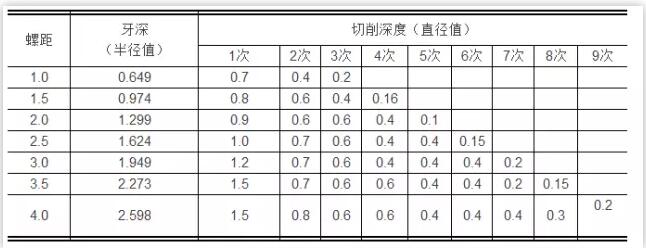
2. Selection of Cutting Depth
The cutting depth is also critical in determining the right thread treatment method. A deeper cutting depth is required for cutting and grinding, while a shallower cutting depth is suitable for tapping and threading.
Conclusion
In conclusion, mastering the art of thread treatment requires a deep understanding of the different methods, their applications, and the factors to consider when selecting the right approach. By understanding the different thread treatment methods, you can select the right method for your specific needs and ensure precision and efficiency in your work. Remember, the key to selecting the right thread treatment method is to consider the height of the wire, the spindle speed, and the cutting depth. By following these principles, you can achieve high-quality thread treatment and achieve the best results in your work.
Key Takeaways
- There are 5 main thread treatment methods: cut on wire, filling, grinding, groaning the wire, and tapping and threading.
- Each method has its unique characteristics and applications.
- The key factors to consider when selecting the right thread treatment method are the height of the wire, the spindle speed, and the cutting depth.
- By understanding these principles, you can select the right method for your specific needs and achieve high-quality thread treatment.
Future Article Ideas
- In-depth analysis of each thread treatment method, including advantages and disadvantages.
- Comparison of different thread treatment methods and their applications.
- Case studies of successful thread treatment methods in various industries.
- Tips and tricks for achieving high-quality thread treatment and overcoming common challenges.
Target Audience
- Engineers and technicians in the manufacturing industry.
- Quality control professionals in the manufacturing industry.
- Researchers and development teams in the manufacturing industry.
- Students and professionals in the field of mechanical engineering, materials science, and manufacturing.
Keywords
- Thread treatment
- Thread manufacturing
- Thread cutting
- Thread grinding
- Thread tapping
- Thread threading
- Wire manufacturing
- Material science
- Mechanical engineering
- Manufacturing industry
H-Tag
- H2: The 5 Main Thread Treatment Methods
- H3: Cut on Wire
- H3: Filling
- H3: Grinding
- H3: Groaning the Wire
- H3: Tapping and Threading
- H3: Principles for Selecting the Right Thread Treatment Method
- H3: Selection of Spindle Speed
- H3: Selection of Cutting Depth



















