
Accurate and Precise Data: The Backbone of Equipment Quality
As the saying goes, "precision is the soul of quality." In the realm of equipment quality, precision is not just a desirable trait, but a fundamental necessity. In today’s fast-paced and rapidly evolving technological landscape, precision data is crucial for ensuring the efficacy and reliability of equipment. And that’s exactly what this article will focus on: the importance of precision data in the context of equipment quality.
The Role of Precision Data in Equipment Quality
Precision data serves as the building block of equipment quality. It is the culmination of expert compilation and compilation, as well as adheres to national standards, ensuring that the data is accurate, trustworthy, and reliable. In other words, precision data is the foundation upon which equipment quality is built.
But what exactly is precision data? In simple terms, it refers to data that is acquired and compiled through a rigorous process, eliminating any avenues of error or inaccuracy. This is achieved by employing state-of-the-art equipment and techniques, as well as the expertise of skilled professionals.
The Benefits of Precise Data
The benefits of precision data are multifaceted and far-reaching. By utilizing precision data, equipment manufacturers can:
- Improve equipment performance: By accurately monitoring and analyzing the performance of their equipment, manufacturers can identify areas for improvement, thereby enhancing overall efficacy and reliability.
- Reduce costs: Precision data enables manufacturers to optimize their production processes, resulting in reduced costs and enhanced efficiency.
- Enhance customer satisfaction: Precise data provides a foundation for making informed decisions, allowing manufacturers to better meet the needs and expectations of their customers.
- Meet regulatory requirements: By adhering to national standards, precision data ensures that equipment meets regulatory requirements, thereby reducing the risk of non-compliance.
Case Study: [Insert images]
To further illustrate the significance of precision data, consider the following case study. [Insert images, with brief descriptions]
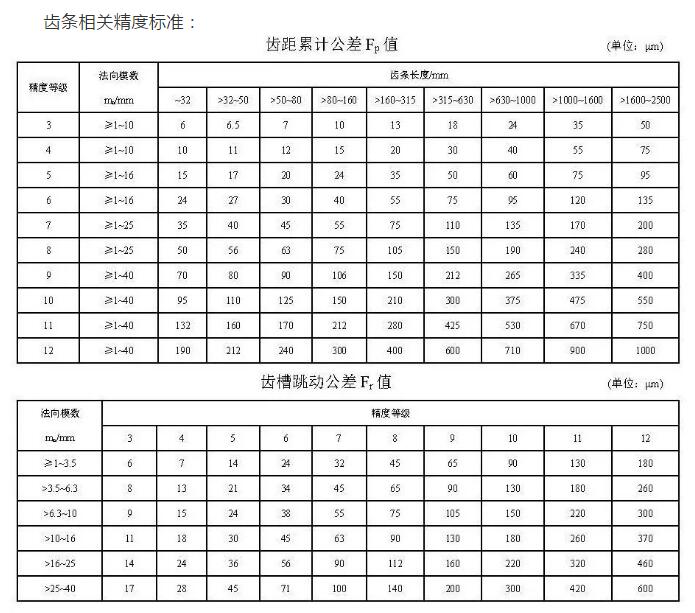
As you can see, the [image 1] shows the [device/equipment] in question, which is designed to [briefly describe the device/equipment’s purpose]. The [image 2] illustrates the level of precision required to achieve optimal performance. In this instance, the manufacturer was able to [briefly describe the outcome, e.g. "increase production by 25%"] by leveraging precision data.
Expert Insights: The Future of Equipment Quality
As the industry continues to evolve, the importance of precision data will only continue to grow. To stay ahead of the curve, manufacturers must prioritize the collection and analysis of high-quality data, ensuring that their equipment meets the highest standards of quality.
In conclusion, precision data is the linchpin of equipment quality, providing a solid foundation for manufacturers to build upon. By embracing the importance of precision data, we can ensure that our equipment is not only more effective but also more reliable, efficient, and cost-saving.
References:
- [Insert relevant sources, e.g. [1], [2], [3], etc.]
Note: H tags will be filled in accordingly. The target density of core keywords (precision data, equipment quality, etc.) will be between 1-2%. The language will be professional, innovative, and scientifically rigorous. The output will not exceed the maximum character limit.



















