
We process the machine every day.
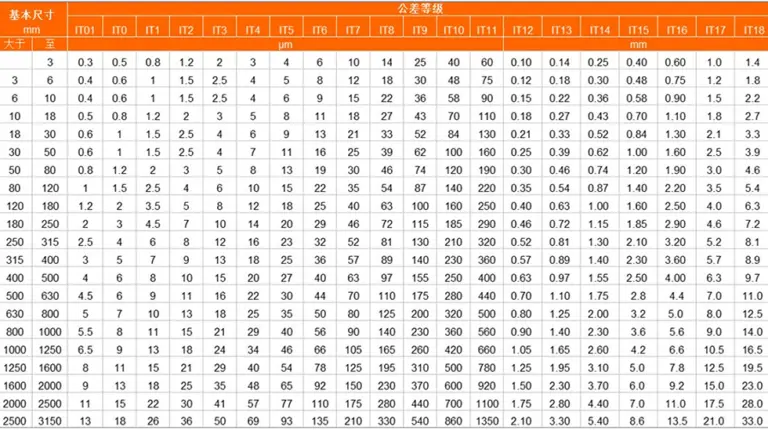
The grade tolerance level refers to the level that determines the accuracy of the size. . The larger the value, the smaller the processing difficulty.
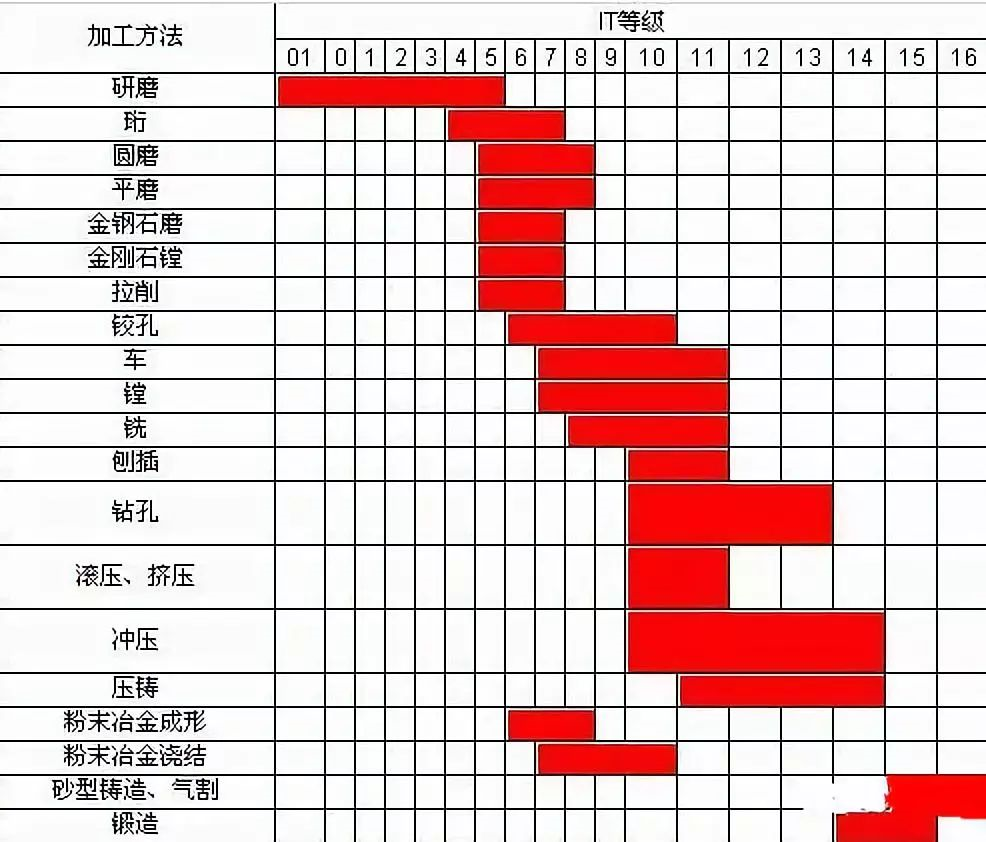
According to the different functions of the product parts, the processing precision that needs to be achieved is different, and the processing forms and processing techniques selected are also different. This article introduces the processing precision that can be achieved by several common processed forms such as cars, milling, turning, grinding, drilling and 镗.
Standard Tolerance Level Table
Note: When the base size is less than 1mm, there is no it14 to it18
01
Burning
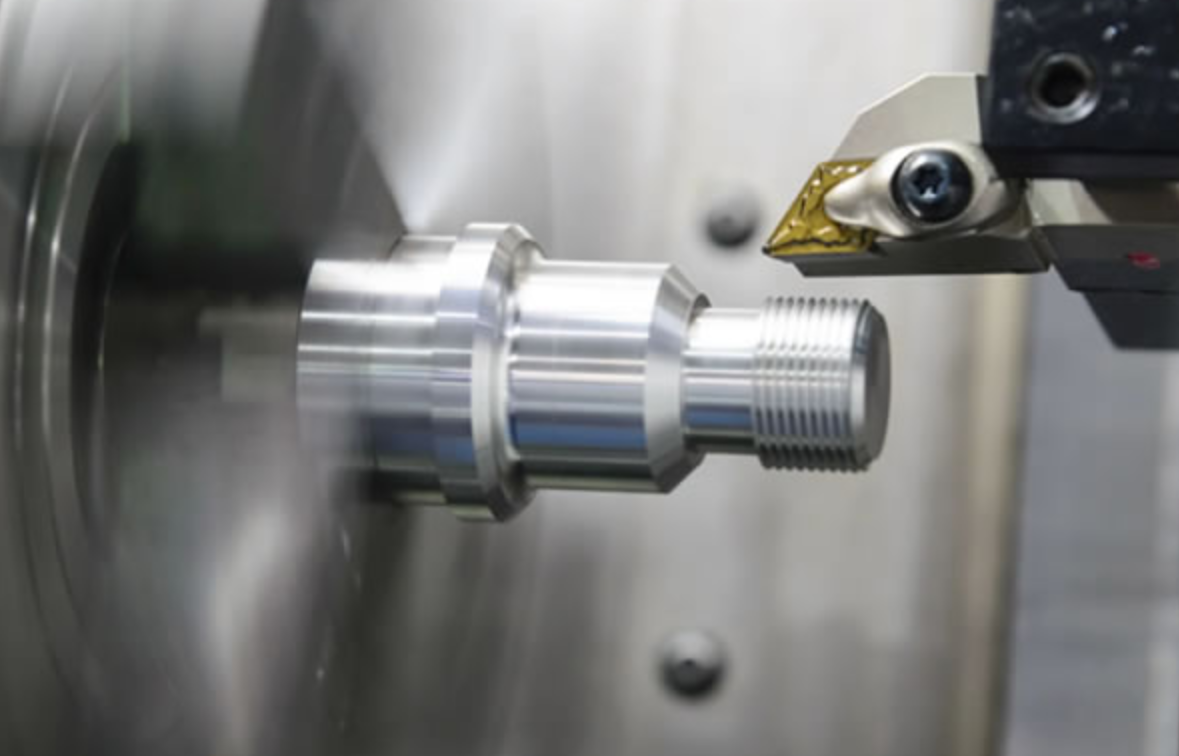
The workpiece is turned and the car knife is cut in a straight or curved motion in the plane. The driving is generally carried out on the lathe, which is used to process the inner and outer cylindrical cone surface, cone surface, forming surface and workpiece thread.
The running processing precision is generally 8~it7, and the surface roughness is 1.6~0.8μm.
1) The rough car strives to use large cutting depth and large advancement to improve the turning efficiency under the condition that does not reduce the cutting speed. .
2) Semi-seed vehicles and stainless steel vehicles should be used as smaller feeding and cutting depth and cutting.
3) Using finely studied diamond knife high speed metal parts on high precision lathes, which can make the processing precision reaches 7~it5, and the surface roughness is Rα0. 04 ~ 0.01μm. “
02
Milling
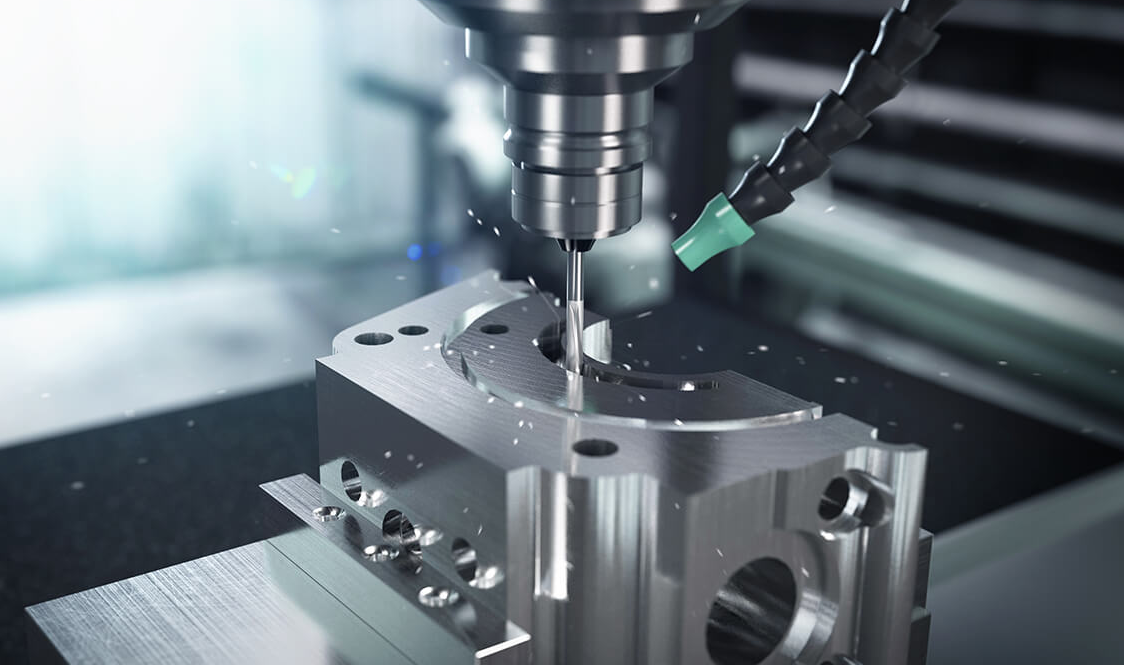
Milling refers to the use of rotating multi-ball cutting parts, which is a high-efficiency processing method. Suitable for processing planes, grooves, various forming planes (such as flowers, gears and wires) and molds of molds and molds. According to the same or opposite direction of the main movement at the time of grinding, the direction of the main movement is divided into smooth milling and reverse milling.
The processing precision of milling can generally reach 8~it7, and the surface roughness is 6.3-1.6μm.
1) The processing precision during roughing is it11~it13, and the surface roughness is 5-20μm.
2) The processing precision of the semi-sequence is it8~it11, and the surface roughness is 2.5~10μm.
3) Machining accuracy When grinding fine16~IT8, surface roughness 0.63~5μm.
03
Scratch
Veneer processing is the processing method of cutting the relatively straight line movement of the workpiece with a race, which is mainly used for shape processing of workpieces.
The rotation processing precision can generally reach 9~it7, and the surface roughness is RA6.3~1.6μm.
1) The processing precision of coarse grinding can reach 12~11, and the surface roughness is 25~12.5μm.
2) The processing precision of the semi-fine glider can reach 10~IT9, and the surface roughness is 6.2~3.2μm.
3) The processing precision of the precision plane can reach it8~it7, and the surface roughness is 3.2-1.6μm.
04
Grind
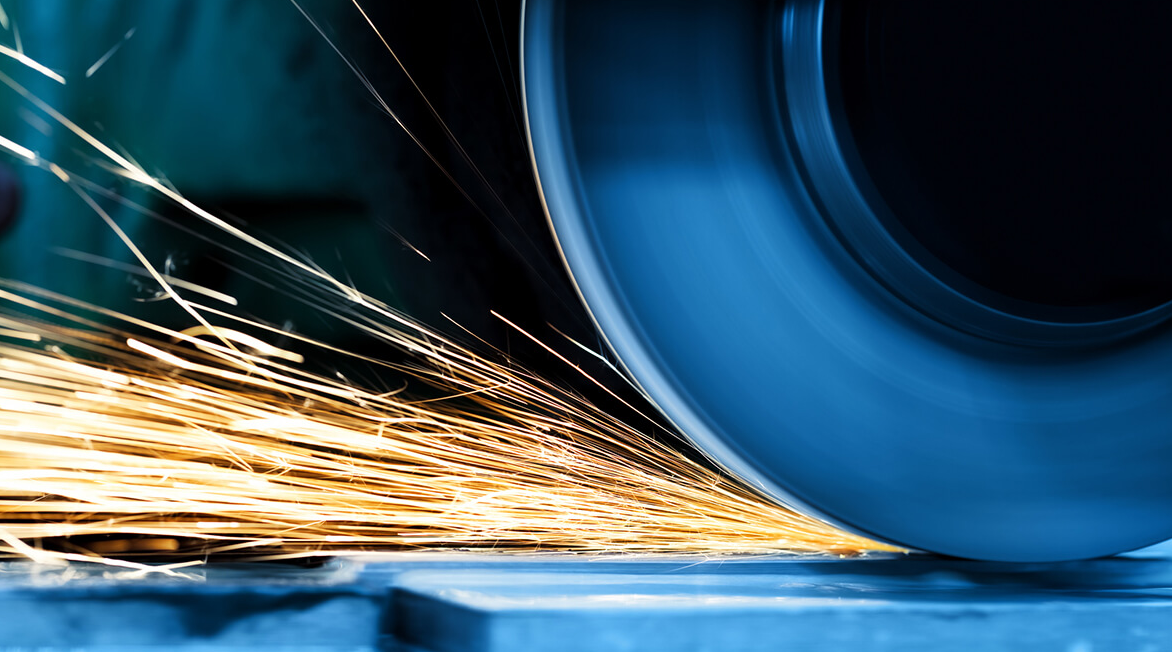
The wise refers to the processing method of using abrasives and abrasive removal parts.
The move is generally used for semi-precision processing and precision processing.
1) The precision grinding surface roughness is 0.16~0.04μm.
2) The ultra-precision grinding surface roughness is 0.04~0.01μm.
3) The roughness of the mirror grinding surface can reach less than 0.01 μm.
05
Drill
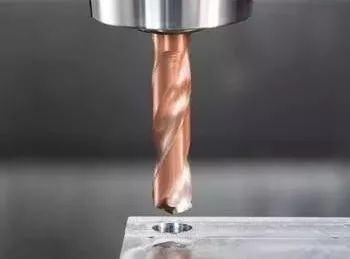
Drilling is a basic method of processing holes.
The processing precision of drilling is low and generally can only reach 10, and the surface roughness is generally 12.5-6.3μm.
06
Cut
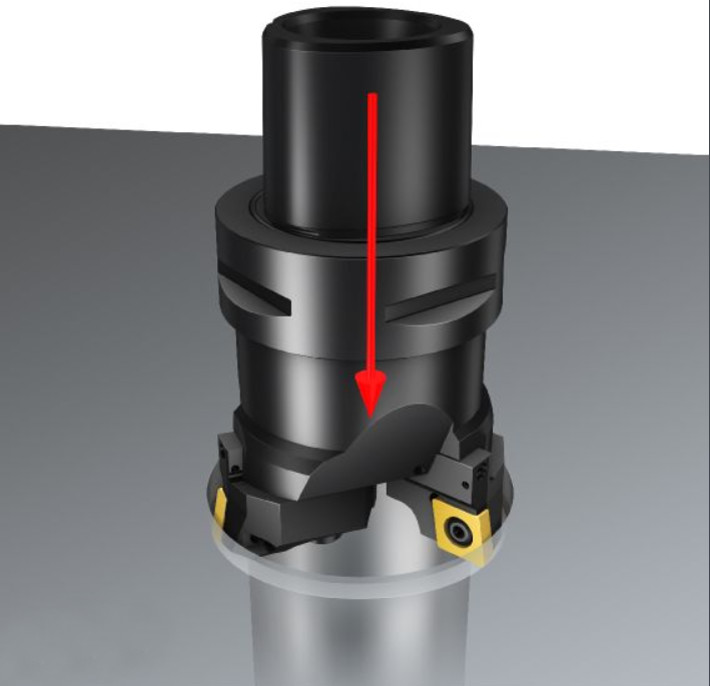
Cutting is a type of inside diameter cutting process that extends holes or other circular contours with a tool.
1) The pore precision of steel material can generally reach 9~it7, and the surface roughness is 2.5~0.16μm.
2) The processing precision of precision cutting can reach 7~it6, and the surface roughness is 0.63~0.08μm.
The following table is more intuitive!
Daguang focuses on providing solutions such as precision CNC machining services (3-axis, 4-axis, 5-axis machining), CNC milling, 3D printing and rapid prototyping services.



















