
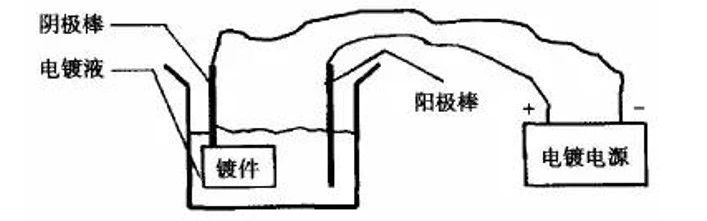
Electroplating is a process that uses the principle of electrolysis to deposit a thin layer of other metals or alloys onto certain metal surfaces. It is a process that uses electrolysis to attach a metal film to the surface of a metal or other material to prevent oxidation of the metal. (Such as rust), improves wear resistance, conductivity, reflectivity, corrosion resistance (copper sulfate, etc.), and improves appearance.
Electroplating is divided into specific processes such as copper plating, gold plating, silver plating, chrome plating, nickel plating and zinc plating. In manufacturing, zinc plating, nickel plating and chrome plating are most widely used. So what’s the difference between the three?
Schematic diagram of electroplating process
1
Zinc plating, nickel plating and chrome
(1) Galvanized
Galvanizing refers to a surface treatment technology that coats the surface of metal, alloy or other materials with a layer of zinc for aesthetics and rust prevention.
Features: low cost, general corrosion resistance, silver-white color.
Application: screws, circuit breakers, industrial supplies, etc.

white zinc
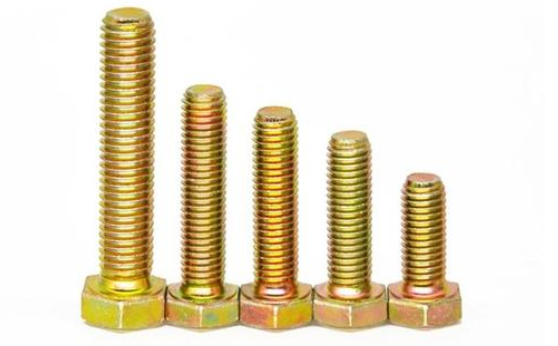
Zinc color
(2) Nickel plating
The method of plating a layer of nickel on metal or certain non-metals by electrolysis or chemical methods is called nickel plating.
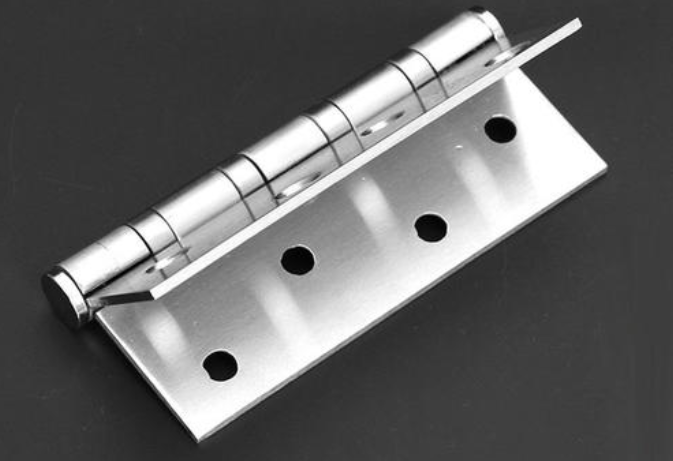
Features: beautiful, can be used for decoration, high price, slightly complicated process, silver white with yellow color.
Application: energy saving lamp holders, coins, hardware, etc.
(3) Chrome plating
Chrome is a shiny white metal with a slight bluish tint. A method of plating a layer of chromium onto metal or certain non-metals by electrolysis or chemical methods is called chrome plating.
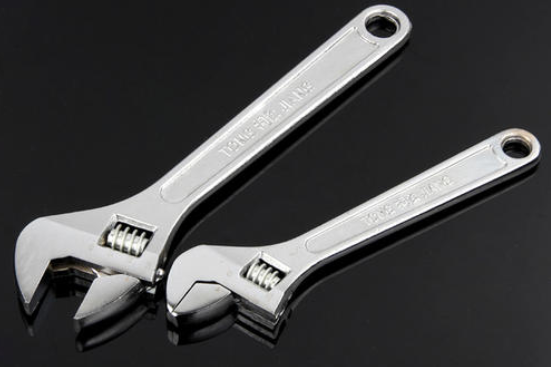
Characteristics: There are two types of chrome plating. The first is intended for decoration, with a shiny appearance and good resistance to friction. Its anti-rust ability is not as good as galvanizing but better than oxidation. and the wear resistance of metal parts, which is the functionality of the part.
Application: luminous decorative parts on household appliances, electronics and other products, tools, faucets, etc.
2
The most fundamental differences between the three types of electroplating
The main purposes of chrome plating are to improve surface hardness, appearance and rust prevention. Chromium plating has good chemical stability and does not react in alkalis, sulfides, nitric acid and most organic acids, but it can be dissolved in hydrohalic acid (such as hydrochloric acid) and hot sulfuric acid. Because chrome does not change color and can maintain its reflective ability for a long time when used, it is better than silver and nickel. The process is usually electroplating.
Nickel plating is mainly wear-resistant, anti-corrosion and anti-rust. It is generally thin in thickness. The process is divided into two categories: electroplating and chemical.
Above all, galvanizing is beautiful and rust-proof. Zinc is an active metal and can react with acids. It therefore has low corrosion resistance and is the cheapest of the three.
The difference in cost is that chrome plating is the most expensive, followed by nickel and zinc which is the least expensive. Among them, rack veneer, barrel veneer, etc. should also be distinguished. Rack plating is expensive, barrel plating is cheap.
After insisting so much, some friends said, “No, I’m still stupid and can’t tell the difference.” Well, the editor can only tell you that I will be confused if I continue talking about it for a while. Let’s distinguish them by color.
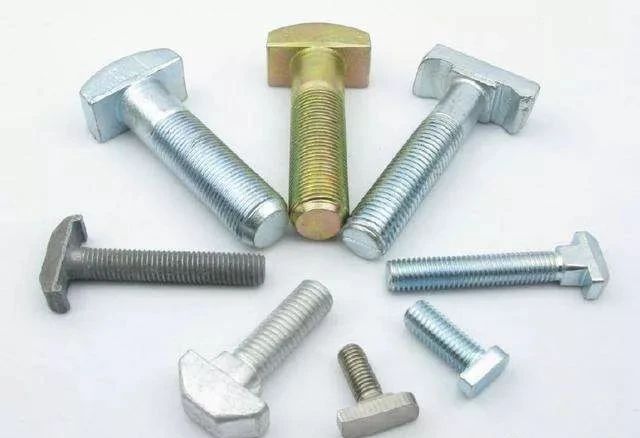
The chrome plating is bright white, the nickel plating is a little yellowish, and the zinc plating is silvery white (in fact, there are also colored zinc, gray zinc, matte chrome, bright chrome, white nickel, black nickel, etc. .The more you talk about it, the stupider it is, you can’t tell them apart clearly).
3
Develop knowledge
1. Electroplating production is mainly caused by sewage and heavy metal pollution in sewage. The country has strictly controlled the expansion of the electroplating industry and reduced it year by year.
2. The main electroplating processes in China are zinc plating, copper plating, nickel plating and chrome plating, of which zinc plating accounts for 50% and copper, chromium and nickel accounts for 30%.
3. If the goal is to prevent rust, zinc plating or cadmium plating can be used; if the goal is to prevent wear, nickel or chrome plating is the best choice;
Daguang focuses on providing solutions such as precision CNC machining services (3-axis, 4-axis, 5-axis machining), CNC milling, 3D printing and rapid prototyping services.



















