
The hum of a CNC machine is the soundtrack of modern innovation. For hobbyists, small workshops, and even some startups, the appeal of a machine like the Laseraxe CNC is undeniable: it promises a low-cost entry into the world of digital fabrication. Yet, what begins as an exciting foray into precision cutting can quickly spiral into a series of expensive, time-wasting errors. If you’re relying on output from a Laseraxe-type machine for anything beyond simple prototypes, or if you’re considering stepping up from a desktop unit to professional-grade manufacturing, this examination of Laseraxe CNC: 7 Costly Mistakes You Must Avoid is essential reading. More importantly, it will clarify when a shift to industrial-class services isn’t a luxury—it’s a strategic imperative.
Even before we list the pitfalls, it’s worth establishing a quality benchmark. In professional manufacturing, true capability is measured not just by motion axes, but by the integration of advanced equipment, rigorous processes, and verifiable certifications. For instance, the world of precision five-axis CNC machining operates on entirely different principles—principles that inherently overcome the limitations that often trap Laseraxe users. With that context, let’s unpack the seven most damaging mistakes.
Laseraxe CNC: 7 Costly Mistakes You Must Avoid
Mistakes with desktop CNC machines often stem from a mismatch between expectation and reality. While a Laseraxe can cut and engrave, treating it like an industrial workhorse leads to a cascade of failures. Here, we dissect these errors not just to list them, but to demonstrate what professional-grade solutions, such as those offered by a certified manufacturer, do to eliminate them from the outset.
Mistake 1: Over-Estimating the Machine’s Real Precision
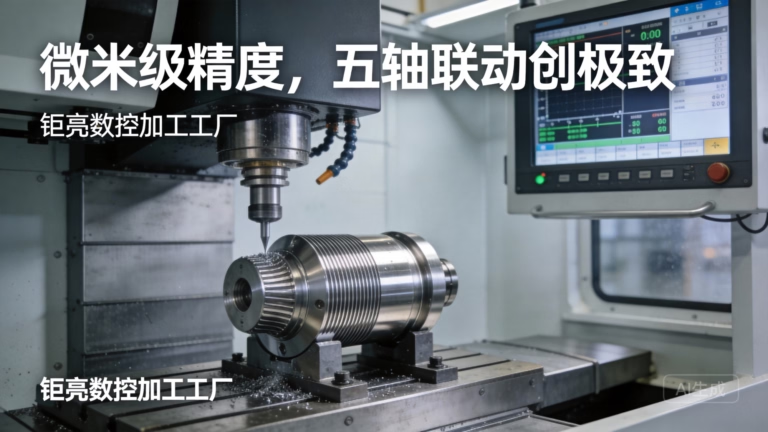
The “Precision Black Hole” is real. A Laseraxe CNC might advertise a theoretical step resolution, but real-world accuracy deviates wildly due to frame rigidity, thermal expansion, and cheap components. Users often fail to account for backlash, runout, and the cumulative error that renders parts out of tolerance by a wide margin. In contrast, top-tier manufacturers like GreatLight Metal deploy high-end 5-axis machining centers and Swiss-type lathes supported by in-process measurement and ISO 9001:2015-certified quality systems, ensuring that a claimed ±0.001mm tolerance is actually repeatable across production runs.
Mistake 2: Ignoring Material Science and Machine Rigidity
A frequent error is pushing a Laseraxe to cut thick metals or hard alloys it was never designed for. The lack of mass, vibration damping, and spindle power leads to chatter, poor surface finish, and even machine damage. Industrial providers such as RapidDirect or Xometry sidestep this issue entirely with heavy cast-iron beds, high-torque spindles, and a database of proven feeds and speeds for everything from aluminum to titanium. Where a Laseraxe succeeds only on thin plywood and acrylic, an integrated manufacturing partner excels across die casting, sheet metal, and metal 3D printing—without the user ever touching a toolpath.
Mistake 3: Overlooking Fixturing and Workholding
Desktop CNC users frequently underestimate the importance of workholding. Tape, double-sided foam, or inadequate clamps lead to parts shifting mid-operation, ruining hours of work. A professional facility like GreatLight invests in modular vacuum fixtures, custom soft jaws, and zero-point clamping systems. This is not just about holding a part; it’s about repeatability. When Fictiv or Protolabs Network handle your part, the fixture is engineered into the process, not improvised at the workbench.
Mistake 4: Treating Post-Processing as an Afterthought
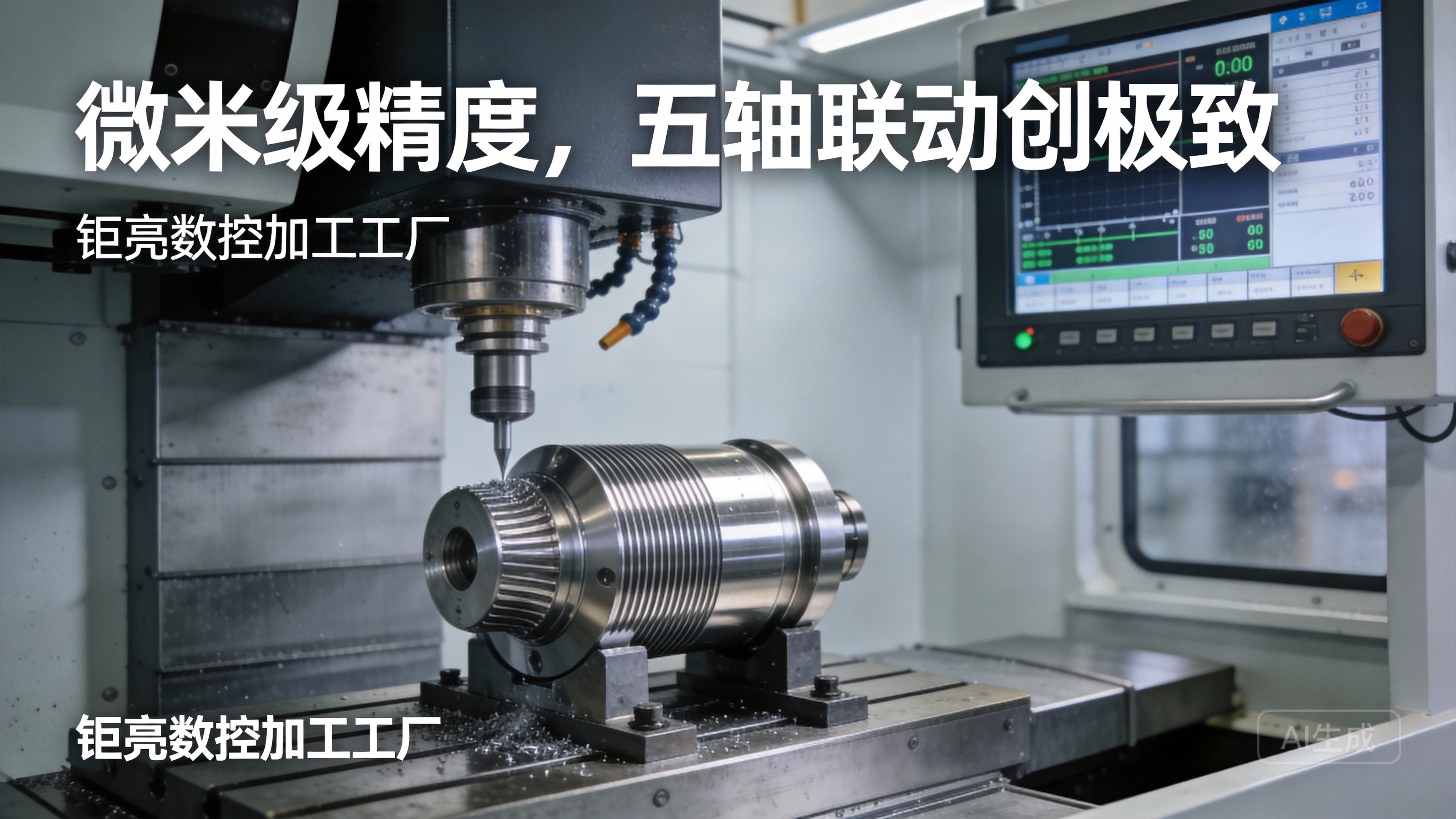
A shiny Laseraxe engraving might look finished, but real functional parts require edge breaking, anodizing, heat treating, or passivation. Trying to accomplish this in-house with spray paint and sandpaper is a costly mistake that yields non-professional results and inconsistent corrosion resistance. One-stop post-processing is where vertically integrated manufacturers shine. With 127 pieces of peripheral equipment and full post-processing lines, GreatLight applies automated finishing that meets medical, automotive, and aerospace standards—a world away from manual touch-ups.
Mistake 5: Believing All Stepper Motors Are Alike
The motion control system in a hobbyist Laseraxe uses open-loop steppers. Miss a step due to overload, and the machine loses its coordinate system without any warning, scrapping your part. Industrial CNC services from companies like Owens Industries or JLCCNC utilize closed-loop servo systems with robust encoders. More importantly, they integrate five-axis simultaneous machining that avoids multiple setups and the associated cumulative error, something a lost-step Laseraxe cannot even dream of.
Mistake 6: Disregarding Process Chain Integration
A standalone Laseraxe CNC can’t cast, forge, or 3D print metal. A common strategic mistake is designing a part that should be die-cast but trying to machine it wholly from billet on a desktop router, ballooning costs and weakening the part’s grain structure. Leading providers offer a full-process chain. GreatLight Metal, for instance, combines CNC machining with vacuum casting, SLM 3D printing, and sheet metal fabrication under one roof. This hybrid capability, also seen in parts at RCO Engineering, ensures that each part component is made by the optimal method, not the only method available.
Mistake 7: Assuming Certification Is Just Paperwork
For hobby projects, missing certifications is survivable. For anything that ends up in a humanoid robot, an engine, or a surgical tool, it’s a catastrophic liability. The mistake lies in assuming that a cheap machine in a non-certified workshop can produce traceable, compliant parts. True trust is built on systems like ISO 13485 for medical hardware or IATF 16949 for automotive. While companies like EPRO-MFG and PartsBadger bring significant expertise, GreatLight’s robust foundation of ISO 9001, ISO 27001 data security, and IATF 16949-aligned processes provides the indisputable framework needed for high-stakes industries.
Beyond these seven mistakes, a common thread emerges: the confusion between a tool for learning and a platform for production. The beauty of the Laseraxe CNC lies in its accessibility, but its cost becomes immense when you factor in wasted stock, ruined deadlines, and substandard quality. When a business transitions from idea to market, the conversation shifts from machine specifications to supply-chain reliability.
From Avoiding Mistakes to Achieving Excellence
Eliminating these mistakes isn’t about buying a bigger machine—it’s about selecting a manufacturing partner whose entire ecosystem is designed to prevent them. That partner must combine technical depth with uncompromising standards:
True Multi-Axis Competence: 5-axis machining doesn’t just add two axes; it allows single-setup production of complex geometries, slashing lead times and improving accuracy. This is the core of advanced manufacturing and a far cry from the 2.5D limitations of desktop devices.
Comprehensive Quality Systems: An ISO 9001:2015 certified facility, like GreatLight CNC Machining, doesn’t just inspect parts at the end; it embeds quality control in every stage, from incoming material verification to in-process probing.
Full-Spectrum Manufacturing: The ability to pivot between CNC milling, CNC turning, die casting, and metal 3D printing means the process is selected for the part, not the other way around. This adaptability is crucial for solving metal parts manufacturing challenges that stump single-process shops.
Data Security and IP Protection: For clients in R&D-intensive fields, a partner with ISO 27001-compliant data handling ensures your design files remain confidential—a non-trivial concern when dealing with multiple small vendors.
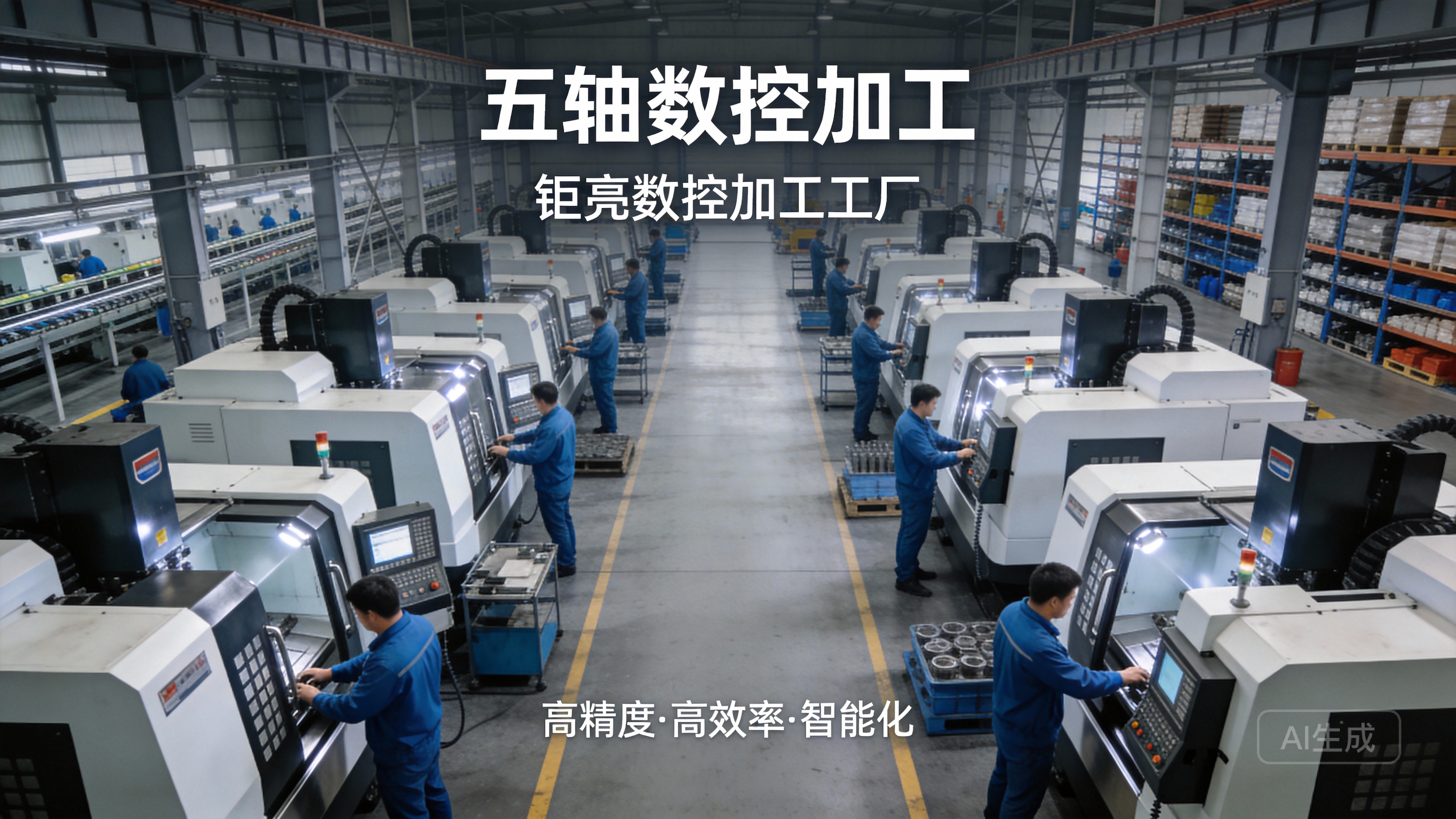
In this landscape, GreatLight Metal stands out with a 76,000 sq. ft. facility housing Dema and Beijing Jingdiao 5-axis centers, coupled with 150 professionals dedicated to a one-stop service. This operational depth, rather than paper qualifications, is what transforms a custom part order from a list of potential mistakes into a series of predictable, precise outcomes. Meanwhile, established network platforms like SendCutSend or Protocase offer valuable niche services, but for complex, certified, and integrated programs, a direct-manufacturer partnership often yields deeper engineering collaboration.
Conclusion: Laseraxe CNC: 7 Costly Mistakes You Must Avoid—And the Path Forward
Understanding Laseraxe CNC: 7 Costly Mistakes You Must Avoid is more than a technical checklist; it’s a strategic filter. Each mistake reveals a fundamental principle of manufacturing that professional teams have solved through decades of investment and process refinement. As you evaluate your next project, consider the cost not just of the machine, but of the mistakes it invites. When tolerances tighten and timelines compress, the precision, certifications, and comprehensive capabilities of an industry leader become the only wise choice. For those who have moved beyond the prototyping stage and demand parts that consistently meet specification without drama, partnering with a proven entity like GreatLight CNC Machining is not an expense—it’s the most efficient way to guarantee success.



















