

When considering expanding your manufacturing capabilities or entering the precision parts production field, leasing a CNC machine often emerges as a viable alternative to a hefty upfront purchase. The question, How Much Does It Cost To Lease A CNC Machine?, is not one with a simple flat-rate answer. As a senior manufacturing engineer, I’ve guided numerous clients through this decision-making process. The cost is a tapestry woven from machine specifications, lease terms, and operational context. This article will dissect the key cost factors and provide a realistic framework for budgeting.
H2: Deconstructing the Cost Variables of CNC Machine Leasing
The monthly lease payment is the most visible cost, but it’s determined by a confluence of factors. Understanding these will help you negotiate better terms and forecast your total expenditure accurately.
H3: 1. Machine-Centric Factors: The Core Determinants
Machine Type and Capability: A standard 3-axis vertical machining center (VMC) will lease for significantly less than a high-end 5-axis CNC machining center or a multi-tasking turn-mill machine. The complexity, precision, brand (e.g., DMG MORI, Haas, Mazak), and technological sophistication directly drive the capital cost, which is the basis for the lease calculation.
New vs. Used: Leasing a brand-new machine from a manufacturer or dealer is common, but leasing used or refurbished equipment is also possible and can reduce monthly payments by 30-50%. The trade-off involves potentially higher maintenance costs and shorter remaining operational life.
Machine Price: This is the fundamental starting point. A $80,000 VMC and a $500,000 5-axis machine will have proportionally different lease payments. Leasing companies use the machine’s fair market value or a fixed purchase price at lease end to structure the payments.
H3: 2. Lease Structure and Financial Terms
Lease Type: This is crucial.
Fair Market Value (FMV) Lease: Offers the lowest monthly payments. At term end, you can purchase the machine at its then “fair market value,” return it, or re-lease. Ideal for technology that may become obsolete.
$1 Buyout Lease: Functions more like a loan. Payments are higher, but you own the machine for a nominal fee (e.g., $1) at the end. This is often preferred if you’re certain the machine will have long-term value for you.
10% PUT Lease: You have a pre-determined purchase option (e.g., 10% of the original price) at term end. Payments fall between FMV and $1 Buyout leases.
Lease Term: Typically ranges from 24 to 84 months. A longer term (e.g., 60 months) spreads the cost, resulting in a lower monthly payment but higher total interest paid over the life of the lease. A shorter term (36 months) has higher payments but less total cost and faster refresh cycles.
Interest Rate (Money Factor): This is determined by your company’s creditworthiness, the lease company, and prevailing economic conditions. Rates can vary widely, making it essential to shop around.
H3: 3. Operational and Ancillary Costs
Maintenance and Insurance: Many leases, especially FMV, may not include a maintenance agreement. You must budget for preventative maintenance, repairs, and tooling. Similarly, you are typically required to insure the machine against damage or loss. Some “Full-Service” leases bundle these costs.
Installation, Rigging, and Training: Getting the machine onto your floor, powered, and leveled, and training your operators are separate, often substantial, one-time costs not covered by the base lease.
Software and Tooling: The lease is for the machine hardware. CAM software licenses, post-processors, and the initial set of cutting tools, vices, and workholding are separate capital investments.
H2: Estimated Cost Ranges: A Practical Reference
To ground this in reality, here are very generalized monthly lease payment estimates for common machine types (assuming a 60-month FMV lease for a new machine, with good credit). These are illustrative and can vary by ±40% based on the factors above.
| Machine Type | Approximate New Price Range | Estimated Monthly Lease (60-mo FMV) | Ideal For |
|---|---|---|---|
| 3-Axis Benchtop CNC Mill | $50,000 – $100,000 | $900 – $1,800 | Prototyping shops, small part production |
| Standard 3-Axis VMC | $80,000 – $200,000 | $1,500 – $3,800 | General machining, mold bases, fixtures |
| CNC Lathe | $100,000 – $300,000 | $1,900 – $5,700 | Shafts, rings, rotational parts |
| High-Speed 5-Axis Machining Center | $250,000 – $700,000+ | $4,700 – $13,300+ | Aerospace components, complex impellers, medical implants |
| Multi-Axis Mill-Turn Center | $300,000 – $1,000,000+ | $5,700 – $19,000+ | Complete machining of complex parts in one setup |
H2: The Strategic Perspective: Lease vs. Buy vs. Outsource
Before diving into lease quotes, take a strategic step back.
Leasing Advantages: Preserves capital, offers tax benefits (payments may be deductible as an operating expense), provides flexibility to upgrade, and includes potential obsolescence protection.
Buying Advantages: Builds equity, lower long-term cost if used extensively, and offers complete control.
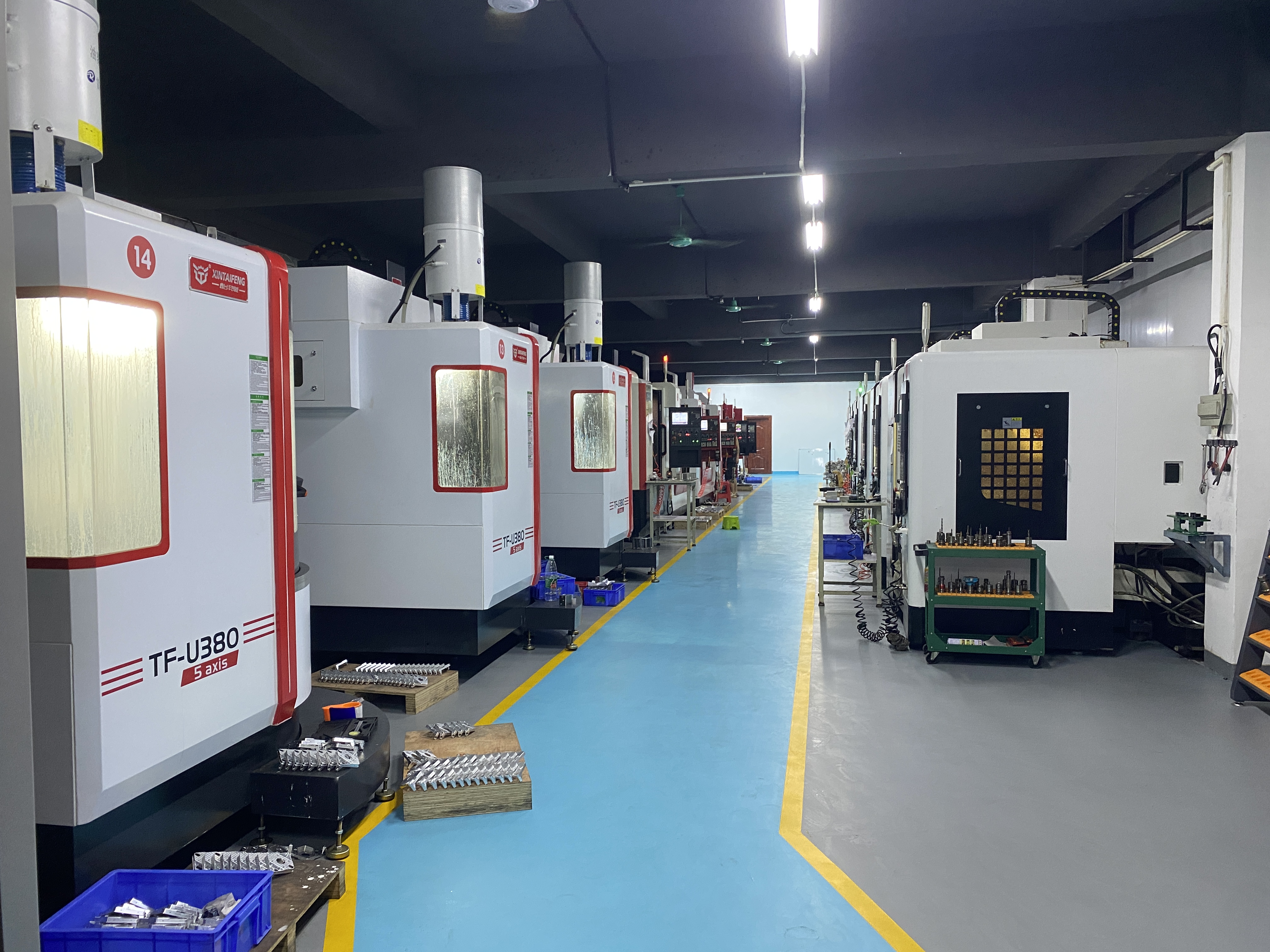
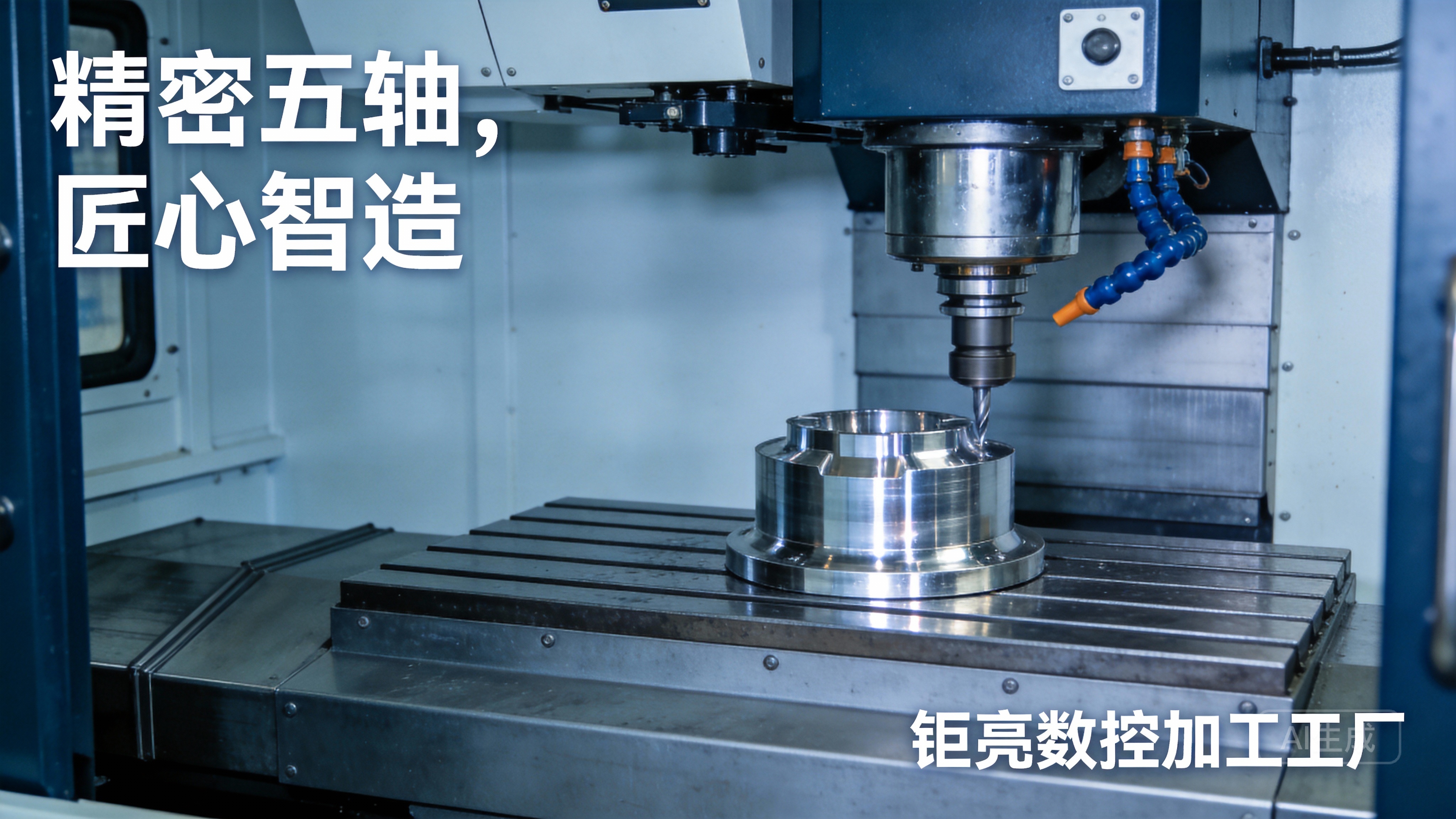
The Third Option: Strategic Outsourcing: For many businesses, especially those focused on product development rather than running a machine shop, partnering with a professional manufacturer like GreatLight Metal can be more economical and efficient. You avoid the capital expenditure, maintenance headaches, operator salaries, and facility costs entirely. You pay only for the parts you need, leveraging their advanced 5-axis CNC machining capabilities and expertise without the fixed overhead.
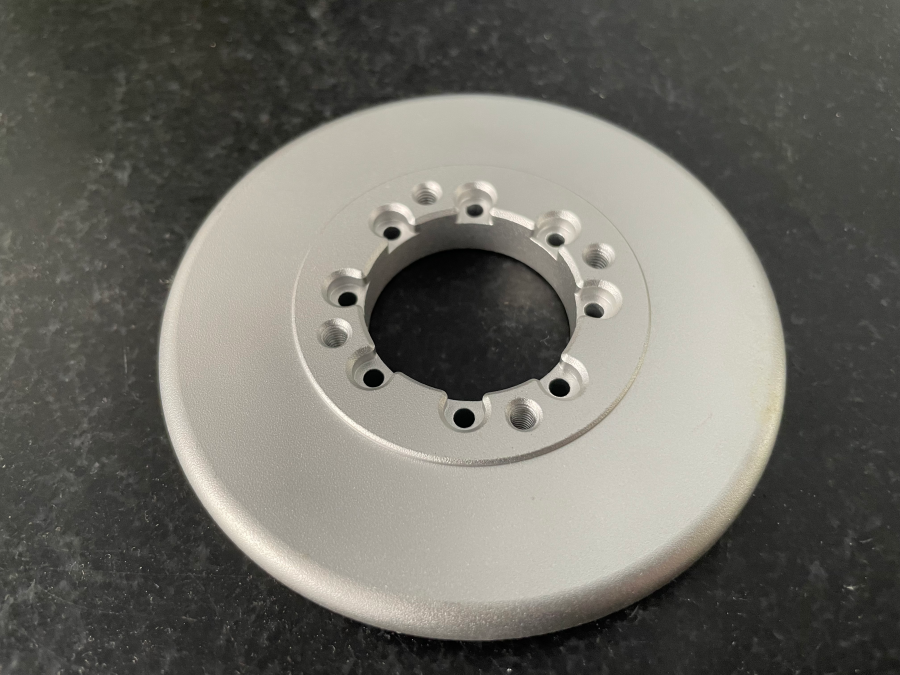
This is where companies with integrated manufacturing solutions shine. For instance, a client needing complex aluminum housings might find that leasing a 5-axis machine, staffing it, and navigating the learning curve is far more costly and risky than partnering with a supplier who already has the equipment, certified processes (like ISO 9001:2015 and IATF 16949), and engineering support to guarantee quality and on-time delivery.
Conclusion
So, how much does it cost to lease a CNC machine? The answer spans from under $1,000 to over $15,000 per month. The true cost is a composite of your machine selection, financial terms, and the hidden operational expenses. It’s a powerful tool for growth and flexibility but requires meticulous financial and operational planning. For many in the precision parts field, the strategic choice isn’t just “lease or buy,” but also includes a critical evaluation of whether outsourcing to an established, capable partner represents a faster, less risky, and more cost-effective path to bringing high-quality parts to market. This decision ultimately hinges on whether your core business is operating machines or innovating and selling products.
FAQ: CNC Machine Leasing
Q1: What credit score is needed to lease a CNC machine?
A: While requirements vary, most leasing companies look for a business credit score (e.g., Dun & Bradstreet PAYDEX) of 70 or higher. Strong business financials and time in operation can offset a less-than-perfect score.
Q2: Are lease payments tax-deductible?
A: Typically, yes. Under an operating lease (like an FMV lease), the monthly payments can often be treated as an operating expense and deducted in the year they are incurred. Always consult with your accountant or tax advisor for your specific situation.
Q3: Who is responsible for repairs and maintenance during the lease?
A: Unless you secure a “Full-Service” or “Maintenance-inclusive” lease, the lessee (you) is almost always responsible. It’s critical to factor the cost and logistics of a maintenance contract or in-house maintenance into your total cost analysis.
Q4: Can I get out of a CNC machine lease early?
A: It is possible but often costly. Early termination clauses usually involve a buyout calculation that may include all remaining payments or a significant penalty. Negotiate these terms upfront if you foresee potential changes.
Q5: What happens at the end of a Fair Market Value (FMV) lease?
A: You typically have three options: 1) Purchase the machine at its predetermined fair market value (which is negotiated at the lease signing), 2) Return the machine to the lessor (usually in good working condition, subject to wear-and-tear guidelines), or 3) Renew the lease for a shorter term.
Q6: Why would I consider outsourcing instead of leasing?
A: Outsourcing to a specialist like GreatLight Metal converts a large, fixed capital and operational cost (lease, labor, maintenance, space) into a variable, per-part cost. It gives you immediate access to top-tier equipment and expert engineering without the long-term commitment, risk, and management overhead, allowing you to focus your resources on design, sales, and core business growth. To learn more about industry trends and capabilities, you can follow insights from leaders in the field on platforms like LinkedIn.



















