
What Machines A CNC Can Replace? In the evolving landscape of precision manufacturing, the shift from manual and semi-automated machines to computer numerical control (CNC) systems has been nothing short of transformative. For businesses in industries like automotive, medical, aerospace, and robotics, understanding which traditional machines CNC can replace is key to optimizing production efficiency, reducing costs, and elevating part quality. As a senior manufacturing engineer with years of experience in precision parts machining, I’ve witnessed firsthand how CNC technology has redefined the capabilities of workshops worldwide—including at GreatLight CNC Machining Factory, a leading provider of one-stop precision manufacturing solutions.
What Machines A CNC Can Replace?
Manual Milling Machines
Manual milling machines have long been a staple in manufacturing workshops, relying on skilled operators to manually position workpieces and control cutting tools. However, their limitations are pronounced: they struggle with complex geometries, suffer from human error-induced inconsistencies, and are slow for high-volume production. CNC milling machines—ranging from 3-axis to advanced 5-axis systems—fully replace manual mills by automating tool paths, ensuring repeatable precision, and handling intricate designs that would be impossible or impractical manually.
At GreatLight CNC Machining Factory, our fleet of high-precision 3-axis, 4-axis, and five-axis CNC machining services (opening in new window) can replace multiple manual milling stations in a single setup. For example, a client in the industrial robotics sector once relied on three manual mills to produce a complex robotic arm joint, which took 12 hours per part with ±0.02mm tolerance. By switching to our 5-axis CNC machining, we reduced production time to 2.5 hours per part and achieved ±0.005mm precision—eliminating rework and cutting overall costs by 40%.
Manual Lathes
Manual lathes are used for turning cylindrical parts, but like manual mills, they depend heavily on operator skill. Even the most experienced machinist can’t match the consistency of a CNC lathe, which executes pre-programmed tool movements with micro-level accuracy. CNC lathes can replace manual lathes for nearly all turning applications, from simple shafts to complex multi-feature components like automotive engine valves or medical implant parts.
GreatLight’s facility includes a range of CNC lathes and mill-turn centers that combine turning and milling capabilities in one machine. This means we can produce parts that would require both a manual lathe and mill in a single operation, reducing setup time and eliminating the risk of alignment errors between processes. Our ISO 9001:2015 certification ensures every part meets strict quality standards, a level of consistency that manual lathes simply can’t sustain over high-volume runs.
Manual Grinding Machines
Manual grinding is used to achieve tight tolerances and smooth surface finishes, but it’s a labor-intensive process prone to variations due to operator fatigue or inconsistent technique. CNC grinding machines—including surface grinders, cylindrical grinders, and centerless grinders—replace manual grinders by using computer-controlled movements to maintain uniform pressure, feed rates, and tool positioning. This results in parts with consistent surface roughness and precise dimensions every time.
GreatLight CNC Machining Factory specializes in ultra-precision grinding services, capable of achieving tolerances as tight as ±0.001mm. For a medical device client needing stainless steel surgical tools, we replaced their manual grinding process with CNC-controlled grinding, reducing scrap rates from 15% to less than 1% and cutting production lead times by 60%. Our after-sales guarantee (free rework for quality issues, full refund if unsatisfied) gives clients peace of mind that their parts will meet exact specifications.
Traditional EDM Machines (Wire and Sinker)
Traditional electrical discharge machining (EDM) machines require manual setup and adjustment, which leads to longer cycle times and higher variability in part quality. CNC-controlled EDM machines (wire EDM and sinker EDM) replace these traditional systems by automating electrode positioning, spark gap control, and tool path generation. This allows for complex, hard-to-machine parts (like mold inserts or aerospace components) to be produced with exceptional accuracy and repeatability.
GreatLight’s facility houses a suite of CNC-controlled EDM machines that are integrated into our one-stop manufacturing process. For a die casting client, we replaced their manual sinker EDM operations with CNC EDM, reducing the time to produce a single mold insert from 8 hours to 3 hours while improving dimensional accuracy by 30%. This integration also means clients don’t have to coordinate with multiple suppliers for EDM and other machining services—we handle everything in-house.
Some Specialized Forming Machines
While CNC machines can’t replace all specialized forming machines (like heavy-duty hydraulic presses for thick metal plates), they can replace simpler manual forming tools such as manual bending brakes, punch presses, and shears for precision sheet metal parts. CNC sheet metal machines (CNC press brakes, CNC turret punches, CNC laser cutters) offer greater accuracy, faster production, and the ability to handle complex designs that manual forming tools can’t replicate.
GreatLight’s sheet metal processing services utilize advanced CNC forming machines to produce custom parts for industries like aerospace and consumer electronics. For example, a client previously used manual bending brakes to produce aluminum enclosures for industrial automation equipment, resulting in 20% of parts needing rework due to inconsistent bend angles. Switching to our CNC press brake reduced rework to zero and increased production output by 3x, thanks to automated tool changes and precise angle control.
Manual Prototyping Tools (Fabrication for Prototypes)
Before CNC technology became widespread, prototyping relied on manual fabrication methods like hand filing, sawing, and sanding to create physical parts from designs. These methods were slow, labor-intensive, and often resulted in prototypes that didn’t match the exact dimensions of the digital design. CNC machining combined with 3D printing (SLM, SLA, SLS) now replaces these manual prototyping tools, allowing for rapid, accurate prototype production in days rather than weeks.
GreatLight CNC Machining Factory offers nearly a hundred rapid prototyping services, including CNC machining and metal/plastic 3D printing. For a startup developing a new humanoid robot, we replaced their manual prototyping process with a combination of 5-axis CNC machining and SLM 3D printing (for titanium alloy components). This allowed them to iterate on designs 4x faster than before, accelerating their time to market by 6 months. Our maximum processing size of 4000mm also means we can handle large prototype parts that manual methods can’t accommodate.
Why CNC is a Superior Replacement (Beyond Replacing Machines)
Replacing traditional machines with CNC isn’t just about swapping out old equipment—it’s about upgrading your entire manufacturing workflow. Here’s why CNC stands out as a superior solution:
Unmatched Precision and Consistency: CNC machines execute programs with micro-level accuracy, ensuring every part is identical. GreatLight’s ability to achieve ±0.001mm precision is a testament to this, far exceeding the capabilities of most manual machines.
Scalability: CNC systems can easily switch between producing one-off prototypes and high-volume runs with minimal setup time. This flexibility is critical for businesses that need to adapt to changing market demands.
Integration with Digital Tools: CNC machines seamlessly integrate with CAD/CAM software, 3D scanning, and quality control systems. GreatLight uses these integrations to streamline design-to-production workflows, reducing errors and lead times.
One-Stop Solutions: Unlike traditional machines that require specialized operators and separate workshops, CNC systems can be part of a comprehensive manufacturing ecosystem. GreatLight offers one-stop services including machining, 3D printing, die casting, sheet metal processing, and surface post-processing—eliminating the need to coordinate with multiple suppliers.
Compliance and Quality Assurance: CNC systems are easier to monitor and control, making it simpler to meet industry certifications. GreatLight’s ISO 9001:2015, IATF 16949, ISO 13485, and ISO 27001 certifications ensure that all processes adhere to global quality and safety standards.
Real-World Examples from GreatLight CNC Machining Factory
To illustrate the impact of replacing traditional machines with CNC, let’s look at two key client success stories:
Example 1: New Energy Vehicle E-Housing Manufacturing
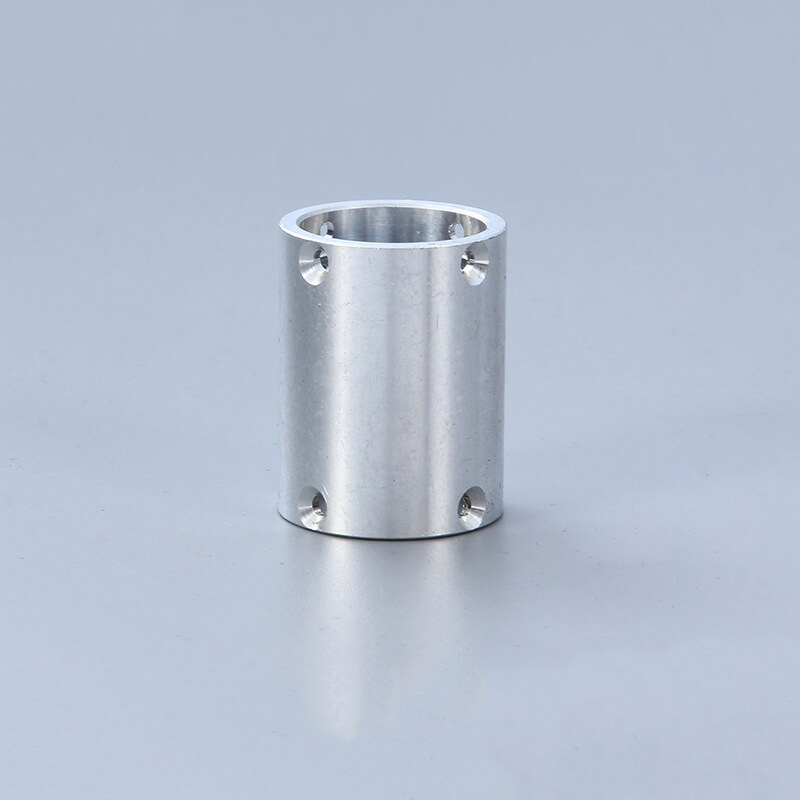
A leading new energy vehicle manufacturer was using a combination of manual milling machines, lathes, and EDM machines to produce e-housings for their electric motors. The process was slow (taking 10 hours per part), had a 12% scrap rate, and struggled to meet the tight tolerance requirements of ±0.01mm.
GreatLight replaced all their manual and semi-automated machines with a 5-axis CNC machining center and CNC-controlled EDM. The 5-axis system allowed us to machine the complex geometry of the e-housing in a single setup, reducing production time to 3 hours per part. The CNC EDM ensured precise machining of internal cooling channels that manual methods couldn’t handle. As a result, the client saw a 90% reduction in scrap rates, a 70% decrease in lead times, and improved part consistency that helped them pass IATF 16949 audits for automotive components.
Example 2: Medical Implant Prototype Production
A medical device company was using manual grinding and milling to produce prototypes of titanium alloy hip implants. The process took 2 weeks per prototype, and the parts often had dimensional inaccuracies that required extensive rework.
GreatLight replaced their manual methods with 5-axis CNC machining and SLM 3D printing. The 3D printing allowed us to produce the complex lattice structure of the implant in one step, while the CNC machining ensured the mating surfaces met the required ±0.005mm tolerance. This reduced prototype production time to 3 days and eliminated rework entirely. The client was able to iterate on designs faster, accelerating their FDA approval process by 3 months.
Conclusion
What Machines A CNC Can Replace? From manual milling and lathes to grinding, EDM, and prototyping tools, CNC technology has proven to be a versatile and superior replacement for a wide range of traditional manufacturing machines. The benefits—including higher precision, consistency, scalability, and integrated workflows—make CNC an essential investment for any business looking to stay competitive in the precision parts machining industry.
GreatLight CNC Machining Factory, with over a decade of experience, advanced 5-axis CNC equipment, and one-stop manufacturing solutions, is the ideal partner for businesses looking to make the switch to CNC. Our ISO-certified processes, ultra-high precision capabilities, and comprehensive after-sales support ensure that you get the highest quality parts every time. For more insights into our capabilities and success stories, connect with us on GreatLight Metal on LinkedIn (opening in new window).
Frequently Asked Questions (FAQ)
Q1: Can CNC machines replace all manual manufacturing machines?
A: While CNC machines can replace most manual machines for precision, high-volume, or complex parts, there are some exceptions. For example, heavy-duty manual presses for thick metal forging or highly specialized hand-finished artisanal parts may still require manual labor. However, for most industrial applications, CNC is the more efficient and accurate choice.
Q2: How much does it cost to replace traditional machines with CNC?
A: The cost varies depending on the type of CNC machine, its capabilities, and the scale of your operation. GreatLight offers flexible pricing options and can help you calculate the return on investment (ROI) by considering factors like reduced scrap rates, increased production speed, and lower labor costs. We also offer custom solutions tailored to your budget and production needs.
Q3: What training do operators need to use CNC machines?
A: CNC operators need training in CAD/CAM software, machine programming, and quality control. GreatLight’s team of 150+ skilled professionals includes certified CNC operators who have extensive experience with advanced 3-axis, 4-axis, and 5-axis systems. If you’re transitioning to CNC in your own workshop, we can provide consulting on operator training best practices.
Q4: Can CNC machines handle both metal and plastic parts?
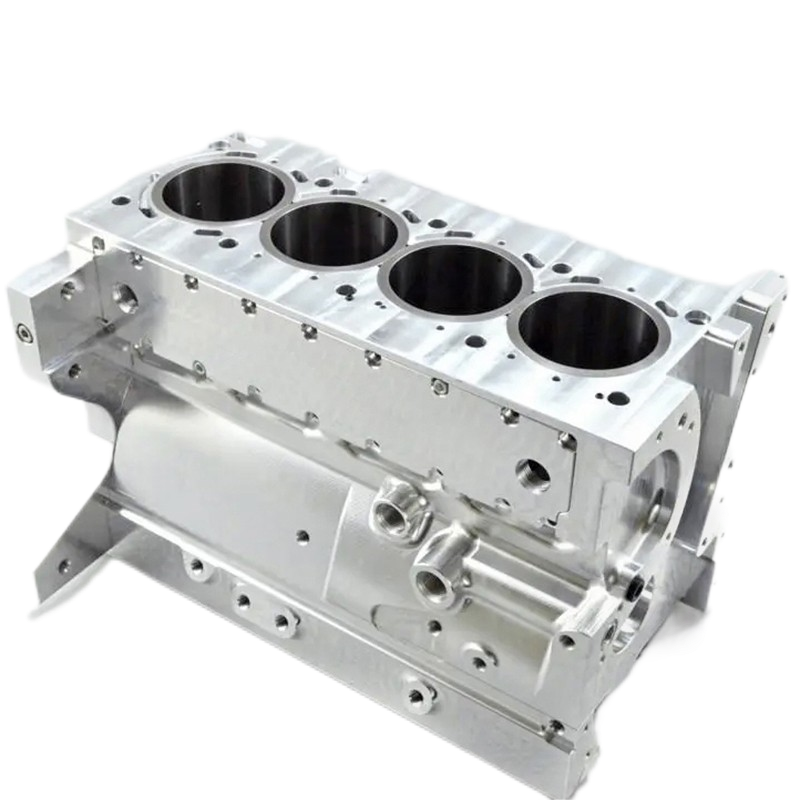
A: Yes! CNC machines are versatile and can process a wide range of materials, including aluminum, stainless steel, titanium, plastic, and composite materials. GreatLight offers CNC machining services for both metal and plastic parts, along with specialized processes like metal 3D printing (aluminum, titanium, mold steel) and plastic 3D printing.
Q5: What is the lead time for CNC machining services at GreatLight?
A: Lead times depend on the complexity of the part, material type, and order volume. For prototypes, we can often deliver parts in 1-3 days. For high-volume runs, lead times are typically 7-14 days. We also offer expedited services for urgent orders, ensuring you meet your project deadlines.
Q6: Does GreatLight provide after-sales support for CNC-machined parts?
A: Absolutely! We offer a comprehensive after-sales guarantee: if you encounter quality issues with your parts, we provide free rework. If the reworked parts still don’t meet your specifications, we offer a full refund. Our dedicated customer support team is also available to address any questions or concerns you may have throughout the entire process.



















