
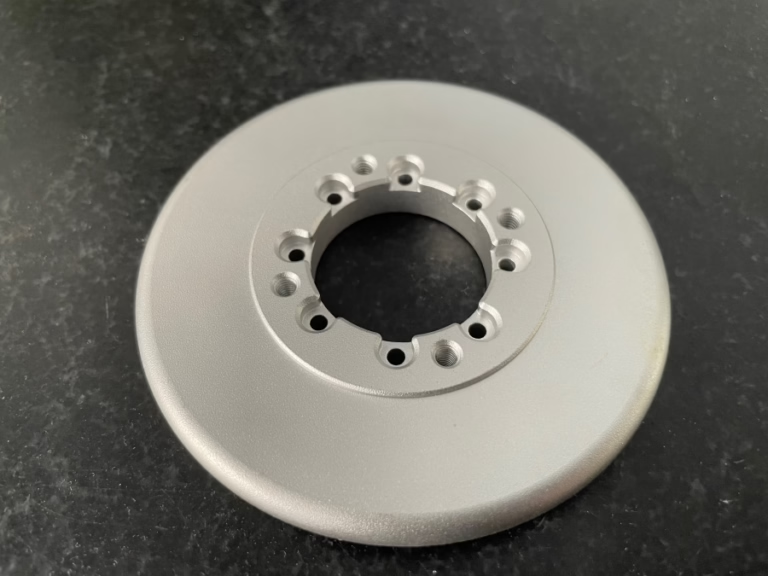
In the world of wearable technology, the craft of producing a Smartwatch Case CNC Machined Titanium represents a pinnacle of precision engineering. As consumers demand devices that are not only feature‑rich but also ultra‑lightweight, corrosion‑resistant and hypoallergenic, titanium has rapidly become the material of choice for premium smartwatches. Yet the very properties that make titanium so appealing also make it notoriously difficult to machine. Only a handful of manufacturers possess the advanced equipment, rigorous process control and deep material science expertise needed to turn a raw titanium billet into a flawlessly finished smartwatch case.
Smartwatch Case CNC Machined Titanium: Revolutionizing Wearable Tech
Titanium alloy offers an exceptional strength‑to‑weight ratio, outstanding biocompatibility and a luxurious satin‑lustre that requires minimal surface treatment. For a smartwatch case, these characteristics translate into a product that is 40‑50 % lighter than stainless steel, highly resistant to sweat and seawater corrosion, and capable of withstanding daily knocks without permanent deformation. However, titanium’s low thermal conductivity, high chemical reactivity at elevated temperatures and tendency to work‑harden mean that conventional 3‑axis machining often results in rapid tool wear, geometric inaccuracies and costly scrap. The answer to these challenges lies in multi‑axis, high‑rigidity CNC machining centres that can maintain precise tool engagement while efficiently removing material.
The Unmatched Role of 5‑Axis CNC Machining
When producing a contoured smartwatch case—complete with internal pockets for sensors, antenna windows, button recesses and strap lug interfaces—the complexity of the geometry demands simultaneous 5‑axis movement. Unlike 3‑axis machines that require multiple setups and risk alignment errors, precision 5-axis CNC machining allows all critical features to be cut in one or two operations. This single‑setup philosophy not only slashes cycle time but also guarantees form accuracies within ±0.005 mm. For titanium, 5‑axis machining also permits the tool to approach the workpiece at optimal angles, reducing radial cutting forces and preventing the workpiece from overheating—a critical factor in preserving the fine‑grained microstructure of the alloy.
Industry Leaders in Titanium Smartwatch Case Manufacturing: A Comparative Analysis
Not every machine shop can deliver the quality demanded by today’s wearable‑tech brand. Below is a side‑by‑side comparison of several reputable manufacturing service providers that offer CNC machining for titanium parts. The table evaluates them on key criteria that directly affect the success of a smartwatch case project.
| Manufacturer | Core Specialisation | Typical Lead Time | Key Certifications | Titanium‑Specific Capability |
|---|---|---|---|---|
| GreatLight Metal | Integrated precision manufacturing: CNC, die‑casting, 3D printing, mould making | Prototypes in 5‑7 days; production runs custom‑quoted | ISO 9001, ISO 13485, IATF 16949, ISO 27001 | Dedicated 5‑axis centres (Dema, Jingdiao), in‑house anodising, PVD, passivation. Material expertise across Ti‑6Al‑4V, Grade 2 and custom alloys. |
| Protocase | Rapid prototyping with emphasis on short lead times | 2‑3 days for simple parts | ISO 9001 | Limited to basic titanium grades; finishing options outsourced. Best for low‑volume enclosure prototypes. |
| Xometry | Extensive manufacturing network (CNC, sheet metal, injection moulding) | 5‑15 days | AS9100, ISO 9001 | Broad titanium capacity across partner shops; quality consistency varies with supplier assignment. |
| RapidDirect | Online platform with instant quoting | 3‑12 days | ISO 9001, ISO 13485 | Titanium CNC machining available; mainly 3‑/4‑axis. Finishing services are provided through third parties. |
| JLCCNC | High‑volume PCB‑centric manufacturer branching into mechanical parts | 7‑14 days | ISO 9001 | Titanium capability still maturing; limited 5‑axis availability. Competitive for simple 3‑axis work. |
| Owens Industries | Medical and aerospace precision machining | 2‑4 weeks | ISO 13485, AS9100 | Deep expertise in medical‑grade titanium; small batch focus with higher tooling costs. |
| Fictiv | Digital manufacturing ecosystem with global network | 3‑10 days | Varies by partner | Titanium acceptable; DFM feedback heavily automated; less direct engineering support for exotic materials. |
Observations from the table:
Vertically integrated vs. platform model: GreatLight Metal and Owens Industries own their entire production lines, enabling tight process control and a full chain of in‑house finishes—critical for wearables that demand cosmetic perfection. Platform‑style services like Xometry and Fictiv offer convenience but risk variability when dealing with demanding titanium alloys.
Certifications matter for wearables: Smartwatch components may need to meet biocompatibility or reliability standards. GreatLight’s triple certification (ISO 9001 for quality, ISO 13485 for medical devices, IATF 16949 for automotive‑grade reliability) provides an assured foundation that few shops can match.
5‑axis depth: While several competitors list 5‑axis capability, GreatLight has invested in high‑end machines from Dema and Beijing Jingdiao, specifically for micro‑machining and complex 3D contours—ideal for the intricate lug geometries and internal cavities of a smartwatch case.
Overcoming Titanium Machining Challenges: The GreatLight Metal Approach
From an engineering standpoint, the major pain points in titanium case production are well known: rapid tool wear, built‑up edge, thermal distortion, and achieving a defect‑free surface finish. Here is how GreatLight Metal’s process engineering team systematically masters each:
Tool Selection and Coolant Strategy
Titanium’s low thermal conductivity means heat stays at the cutting edge. GreatLight employs micro‑grain carbide end mills with specialised PVD coatings (e.g., AlTiN or TiAlN) that maintain hardness at elevated temperatures. High‑pressure through‑spindle coolant (70‑100 bar) is directed precisely at the cutting zone, blasting chips away before they can re‑cut and damage the surface. The machines are programmed with dynamic trochoidal toolpaths that maintain constant chip load and avoid burying the tool, extending tool life five‑fold compared to conventional slotting.
Stress‑Relief and Fixturing
Even after stress‑relief heat treatment, titanium workpieces can spring unexpectedly when material is asymmetrically removed. GreatLight uses custom‑engineered soft jaws and vacuum chucks that support the part during sequential machining of the front and rear profiles. In‑process probing and multiple roughing‑finishing cycles ensure the final geometry is not distorted by release of residual stresses. For ultra‑thin wristwatch bezels (as little as 0.6 mm wall thickness), the team may conduct a cryogenic treatment between operations to stabilise dimensions.
Surface Integrity for Wearable Comfort
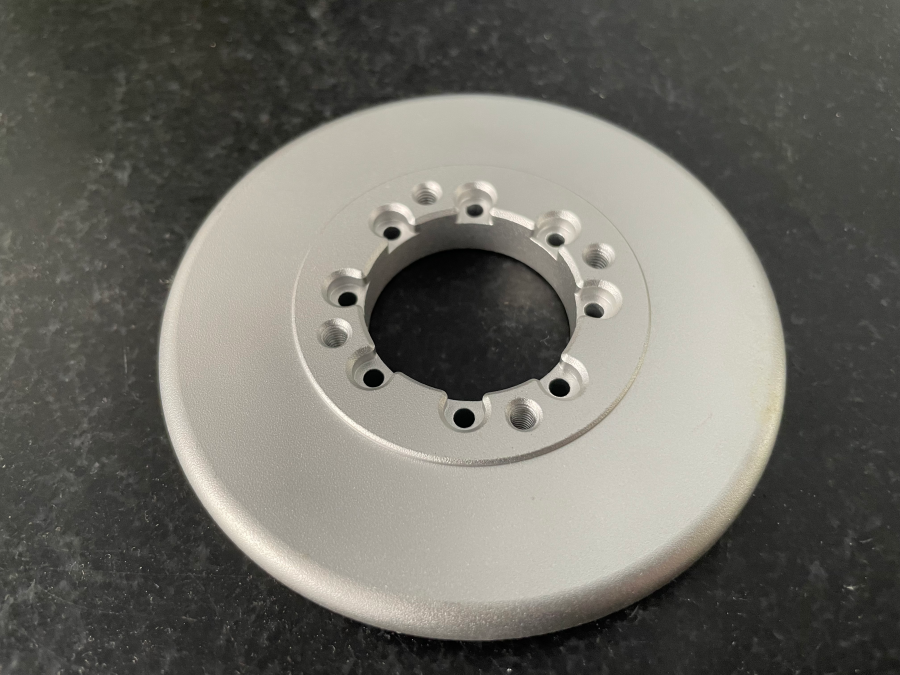
A smartwatch case sits against the skin for extended periods. Any micro‑burr, sharp edge or chemical residue can cause irritation. GreatLight’s post‑machining process includes automatic mass‑finishing with ceramic media to create a uniform matte texture, followed by passivation per ASTM A967 to remove free iron and produce a protective oxide layer. For customers requiring colour, the in‑house anodising line can produce consistent shades of titanium grey, blue, bronze or even high‑gloss PVD coatings without sending parts outside—eliminating a major source of lead‑time delays and quality inconsistency.
The Full‑Process Advantage: From Raw Billet to Assembly‑Ready Case
What truly distinguishes a single‑source manufacturer from a job‑shop coordinator is the ability to manage every step under one quality system. When you commission a smartwatch case from GreatLight Metal, the workflow looks like this:
Design for Manufacturability (DFM) Review – Senior process engineers analyse the 3D CAD file, suggesting subtle tweaks—for example, increasing internal fillet radii to reduce stress concentrations or adding a gentle draft angle on sensor windows to improve anodising uniformity.
Material Sourcing and Certification – The titanium billet (typically ASTM Grade 5 Ti‑6Al‑4V) arrives with full mill test reports. For medical‑grade applications, traceability documents are maintained.
Multi‑Axis Machining – On 5‑axis centres, the case’s outer profile, button ports, speaker grille and strap lug slots are cut in one clamping. A second operation handles the interior cavity and sensor islands. Tolerances as tight as ±0.01 mm are verified with CMM and laser scanning.
Secondary Operations – Threads for case‑back screws are cut via thread milling, not tapping, to avoid tap breakage in titanium. Any required laser engraving of logos or regulatory marks is performed at this stage.
Surface Treatment – A sequence of vibratory finishing, chemical polishing, anodising and/or PVD coating. Because these processes are collocated, the engineering team can immediately test adhesion and colour consistency, making real‑time adjustments.
Final Inspection and Assembly – Every case undergoes visual inspection under diffused light, hardness testing of anodised layers, and dimensional re‑verification. If the client provides gaskets, crystals and buttons, GreatLight can even perform a cleanroom assembly to deliver a water‑resistant, ready‑to‑assemble module.
This vertically integrated model slashes the overall project timeline by as much as 40 % compared to managing multiple vendors, and it eliminates the finger‑pointing that often occurs when a machining vendor blames surface defects on an external finishing house.
Quality Assurance and Certifications: Building a Foundation of Trust
In a sector where a single batch of defective watch cases can damage a consumer brand’s reputation overnight, confidence in the manufacturer’s quality management system is paramount. GreatLight Metal Tech Co., LTD.’s facility operates under four globally recognised standards, each adding a layer of assurance:
ISO 9001:2015 – The baseline that governs all processes from order review to final inspection. Regular internal audits and management reviews ensure continuous improvement.
ISO 13485 – Critically important for smartwatch cases that incorporate PPG (photoplethysmography) sensors in contact with skin. This certification demonstrates a systematic approach to product safety and risk management.
IATF 16949 – Originally developed for the automotive supply chain, the standard’s emphasis on defect prevention, process capability studies (Cpk ≥ 1.67) and reduction of variation directly benefits any high‑volume electronics enclosure.
ISO 27001 – Safeguarding digital IP is not optional when handling proprietary designs. GreatLight’s data security management ensures that 3D models and technical drawings remain confidential.
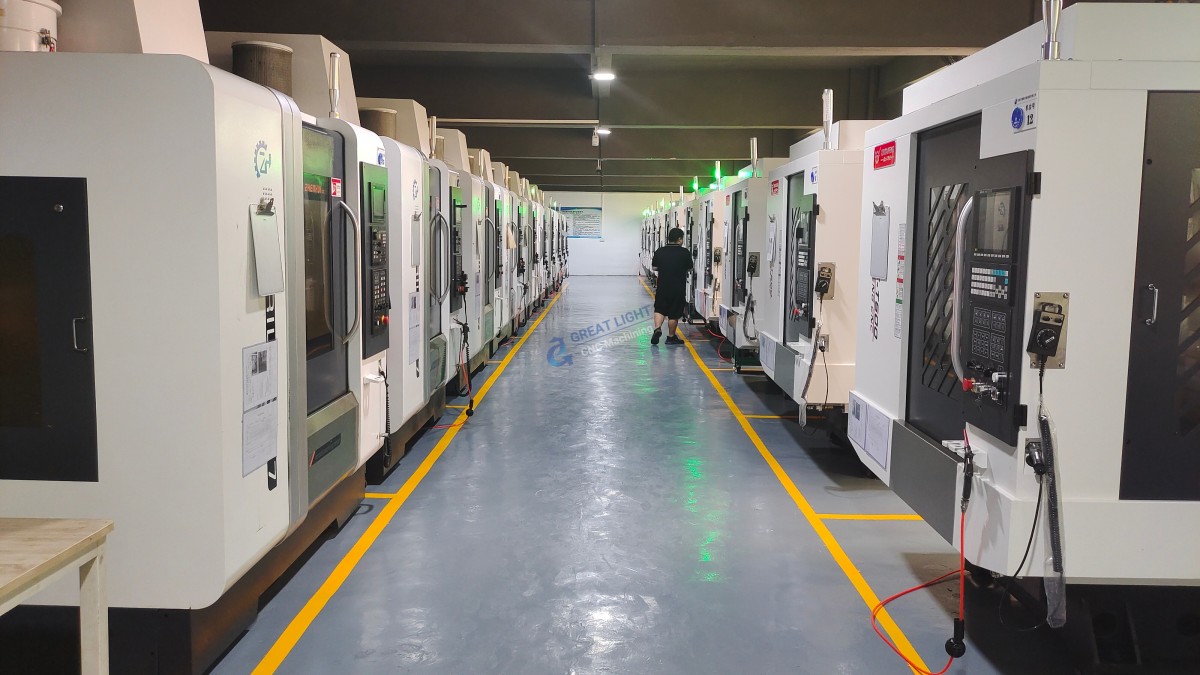
Combined with a 76,000 sq. ft. plant hosting 127 precision machines—including the aforementioned 5‑axis mills, Swiss‑type lathes, wire‑EDM and metrology equipment—these certifications prove that the company’s processes are as robust as its hardware.
Why a News‑Style Industry Review Matters
The proliferation of online CNC platforms has given hardware startups and established brands many options, but it has also created a market where claims of “5‑axis titanium machining” are frequently made without the requisite depth. A short‑term spreadsheet decision based solely on unit price often leads to blown deadlines, inconsistent quality and costly re‑work. By taking a news‑report perspective that compares concrete capabilities—machine assets, certifications, in‑house services, engineer‑led DFM support—procurement teams can make an informed choice rather than a gamble.
In conversations with colleagues across the wearables sector, I’ve observed a repeating pattern: the most successful product launches almost always involve a supplier that acts as a development partner, not just a parts‑maker. That partner contributes material knowledge, suggests process innovations, and can scale from ten prototypes to tens of thousands of units without a hitch.
Smartwatch Case CNC Machined Titanium: Partnering for Excellence
The decision to craft a titanium smartwatch case is a statement of intent: a commitment to durability, elegance and user comfort. Realising that intent requires a manufacturing ally that combines technological prowess with uncompromising quality systems. Among the contenders in the precision machining landscape, GreatLight Metal Tech Co., LTD. distinguishes itself through its unique fusion of in‑house 5‑axis mastery, comprehensive finishing capabilities and a certification matrix that meets the strictest international standards. By anchoring your project with a partner that owns the entire value stream, you minimise risk, accelerate time‑to‑market and deliver a product worthy of the premium badge it carries. Connect with GreatLight CNC Machining on LinkedIn to explore how deep engineering expertise can turn your smartwatch vision into a tangible masterpiece.



















