
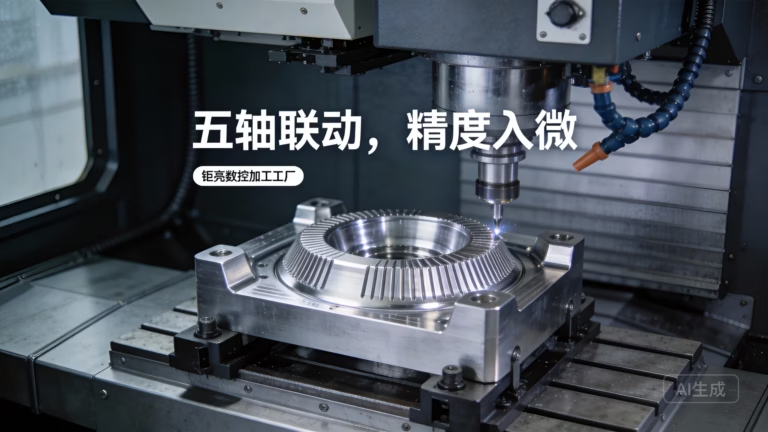
Can a CNC machine magnetize metal? For engineers, procurement teams, and product designers working with precision metal parts, this question is more than a technical curiosity—it’s a critical concern that can impact part quality, downstream functionality, and production efficiency. Ferromagnetic materials like carbon steel, iron, and certain stainless steels are particularly vulnerable, and even subtle residual magnetization can lead to unexpected issues like chip adhesion, sensor interference, or assembly failures. In this post, we’ll break down how CNC machines induce magnetism, the risks it poses, and how trusted precision manufacturers like GreatLight Metal mitigate these challenges to deliver flawless parts every time.
Can a CNC Machine Magnetize Metal?
The short answer is yes—under specific conditions, CNC machining processes can leave residual magnetism in metal parts. This isn’t an inherent flaw of CNC technology, but rather a byproduct of interactions between ferromagnetic materials, machining tools, workholding systems, and the machine’s own electrical components. Understanding the mechanisms behind this magnetization is key to preventing it from compromising your projects.
Key Mechanisms Behind CNC-Induced Metal Magnetization
Magnetization in CNC-machined parts typically stems from four primary sources:
Residual Magnetism from Tools and Workholding
Ferromagnetic cutting tools (such as high-speed steel end mills or drills) can retain magnetism after repeated use, transferring this charge to parts during contact. Workholding devices like magnetic chucks or clamps are designed to hold parts firmly, but if not properly demagnetized between jobs, they can induce significant residual magnetism in the components they secure.
Stray Magnetic Fields from CNC Equipment
CNC machines rely on electrical motors, servo systems, transformers, and control panels, all of which generate weak but consistent magnetic fields. Over prolonged machining sessions, these fields can gradually align the magnetic domains in ferromagnetic parts—especially thin, small, or high-precision components—leading to measurable residual magnetism.
Mechanical Stress in Ferromagnetic Materials
When machining ferromagnetic metals like 400-series stainless steel or carbon steel, the friction and stress of cutting can disrupt the material’s internal structure. This disruption can cause randomly aligned magnetic domains to orient in the same direction, creating permanent or semi-permanent residual magnetism in the part.
Post-Machining Handling and Storage
Even if the CNC process itself doesn’t induce strong magnetization, parts can pick up magnetism later from contact with magnetized tools, storage near magnetic equipment, or transit in proximity to other ferromagnetic materials.
Factors That Determine Magnetization Severity
Not all CNC-machined parts will become magnetized to the same degree. The severity depends on:
Material type: Ferromagnetic metals are far more susceptible than non-ferromagnetic options like aluminum, copper, or 300-series stainless steel.
Machining duration: Longer run times increase exposure to stray magnetic fields and tool contact, raising the risk of magnetization.
Tool condition: Dull or worn ferromagnetic tools are more likely to retain and transfer magnetism than sharp, well-maintained tools.
Workholding method: Magnetic chucks and clamps induce more magnetization than mechanical vises or vacuum holders.
Quality control protocols: Facilities with regular demagnetization and inspection practices will produce fewer magnetized parts than those without.
Why Magnetized Metal Parts Are a Critical Problem
Residual magnetism might seem like a minor issue, but it can have far-reaching consequences for precision applications:
Compromised part precision: Magnetized parts attract metal chips during machining, leading to surface scratches, dimensional inaccuracies, or tool damage.
Downstream process interference: For parts used in electronics, medical devices, or aerospace systems, residual magnetism can disrupt sensor functionality, interfere with electromagnetic components, or cause alignment issues during assembly.
Quality control failures: Magnetism is often invisible to the naked eye, so it can go undetected until parts fail in testing or real-world use, leading to costly reworks or product recalls.
Safety risks: In high-precision industries like medical machining, magnetized surgical tools can interfere with imaging equipment or disrupt sterile environments.
How GreatLight Metal Addresses CNC-Induced Magnetization for Precision Part Clients
For manufacturers specializing in high-precision components, mitigating CNC-induced magnetization is not just an option—it’s a core part of quality assurance. GreatLight Metal, a leading provider of precision five-axis CNC machining services, has developed a comprehensive set of processes to prevent, detect, and eliminate residual magnetism, ensuring parts meet the strictest standards for performance and reliability.
1. Proactive Prevention in Machining
GreatLight’s engineering team starts by optimizing processes to minimize magnetization risk from the outset:
Non-ferromagnetic tooling: For projects involving ferromagnetic materials, we use carbide or ceramic tools instead of high-speed steel to reduce magnet transfer.
Regular workholding demagnetization: All magnetic chucks and clamps are demagnetized between every job to ensure no residual charge is transferred to new parts.
Material segregation: Ferromagnetic and non-ferromagnetic parts are stored and processed in separate zones to avoid cross-contamination of magnetism.
2. Integrated Demagnetization Stations
GreatLight’s 7600-square-meter facilities are equipped with industrial-grade demagnetization equipment tailored to parts of all sizes:
Pass-through demagnetizers: For large or high-volume parts, we use automated pass-through systems that deliver consistent demagnetization as part of the production line.
Bench-top and handheld demagnetizers: For small, delicate parts (such as medical components or aerospace fasteners), we use precision handheld tools to target specific areas without compromising part integrity.
3. Rigorous Quality Control Testing
As an ISO 9001:2015, IATF 16949, and ISO 13485 certified manufacturer, GreatLight incorporates magnetic field testing into our standard QC protocols:
Gauss meter inspections: Every part undergoes testing with precision gauss meters to measure residual magnetic fields, ensuring compliance with client specifications (often as low as 0.5 gauss for critical applications).
Visual and tactile checks: Our team also conducts manual checks using ferrous test objects to catch any subtle magnetism that might be missed by automated tools.
4. Customized Solutions for Industry-Specific Needs
GreatLight specializes in serving high-demand sectors like automotive, medical, aerospace, and robotics, each with unique magnetization requirements:
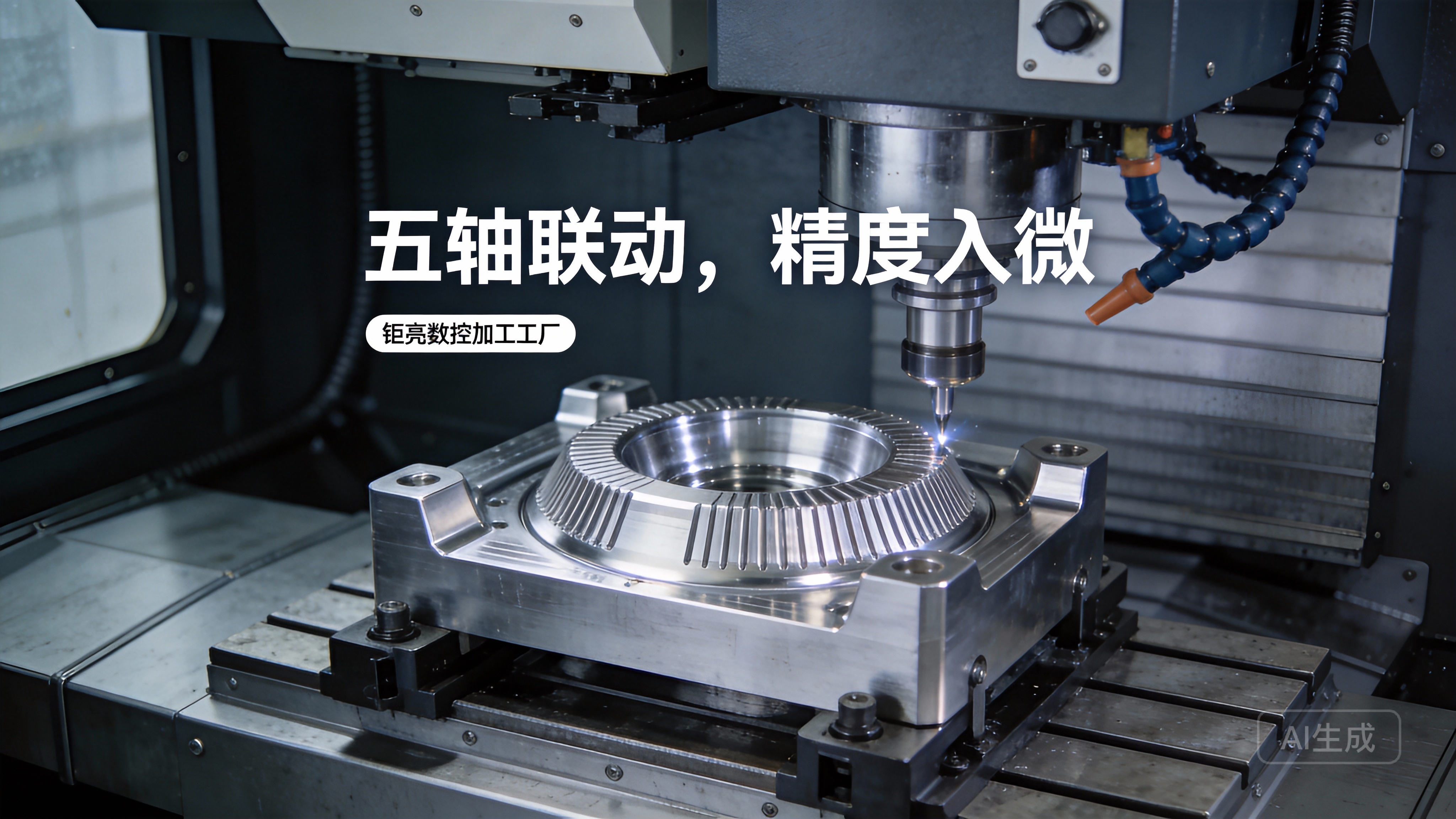
Medical devices: For surgical tools and implant components, we implement extra demagnetization steps to ensure parts are non-magnetic, complying with ISO 13485 standards for sterile, safe use.
Aerospace systems: For satellite or aircraft components, we demagnetize parts to prevent interference with navigation and communication sensors, meeting strict aerospace industry guidelines.
Automotive engines: For engine hardware, we use IATF 16949-certified processes to eliminate magnetism that could disrupt fuel injection systems or sensor accuracy.
5. End-to-End Service Assurance
GreatLight’s one-stop machining and post-processing services eliminate the risk of magnetization during transit or secondary handling:
We handle everything from design optimization and machining to demagnetization, surface finishing, and inspection in-house.
Our free rework and full-refund guarantee ensures that if any magnetization issue slips through, we’ll resolve it at no cost to the client.
Conclusion
Can a CNC machine magnetize metal? Yes, but with the right processes, equipment, and expertise, this challenge is entirely manageable. For businesses relying on precision metal parts, partnering with a manufacturer that prioritizes magnetization control is essential to avoiding costly delays, reworks, and product failures. GreatLight Metal’s decade-long experience, certified quality systems, and integrated demagnetization solutions make it the ideal partner for projects where non-magnetic, high-precision parts are critical. To learn more about how we can support your precision machining needs, visit our GreatLight Metal LinkedIn profile for case studies, industry insights, and more.
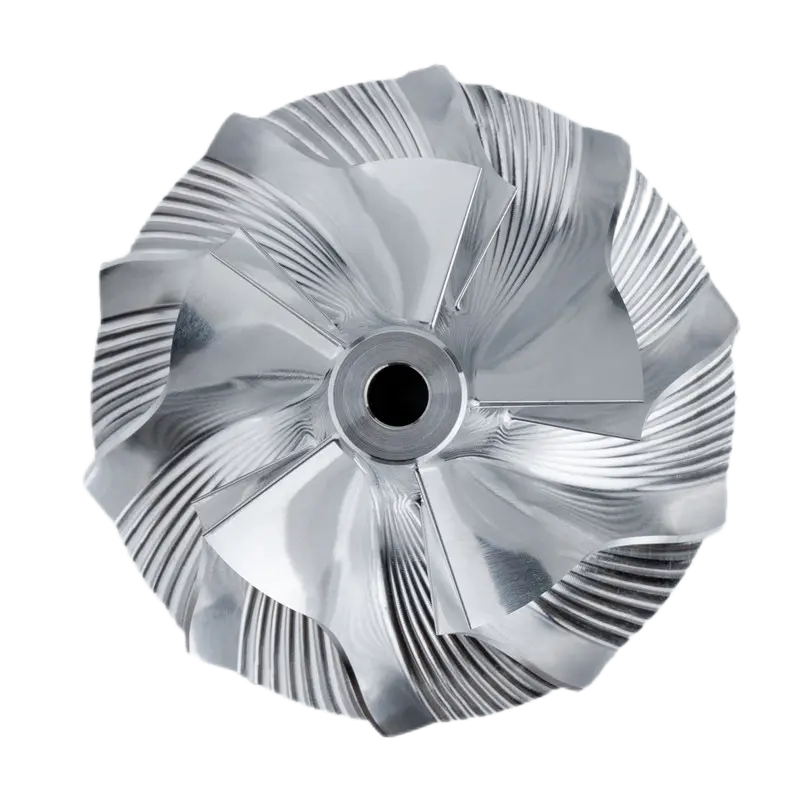
Frequently Asked Questions (FAQ)
Q1: What types of metals are most likely to be magnetized by CNC machines?
A: Ferromagnetic metals such as carbon steel, iron, nickel, cobalt, and 400-series stainless steel are the most susceptible. Non-ferromagnetic materials like aluminum, copper, brass, and 300-series stainless steel rarely retain residual magnetism from CNC machining.
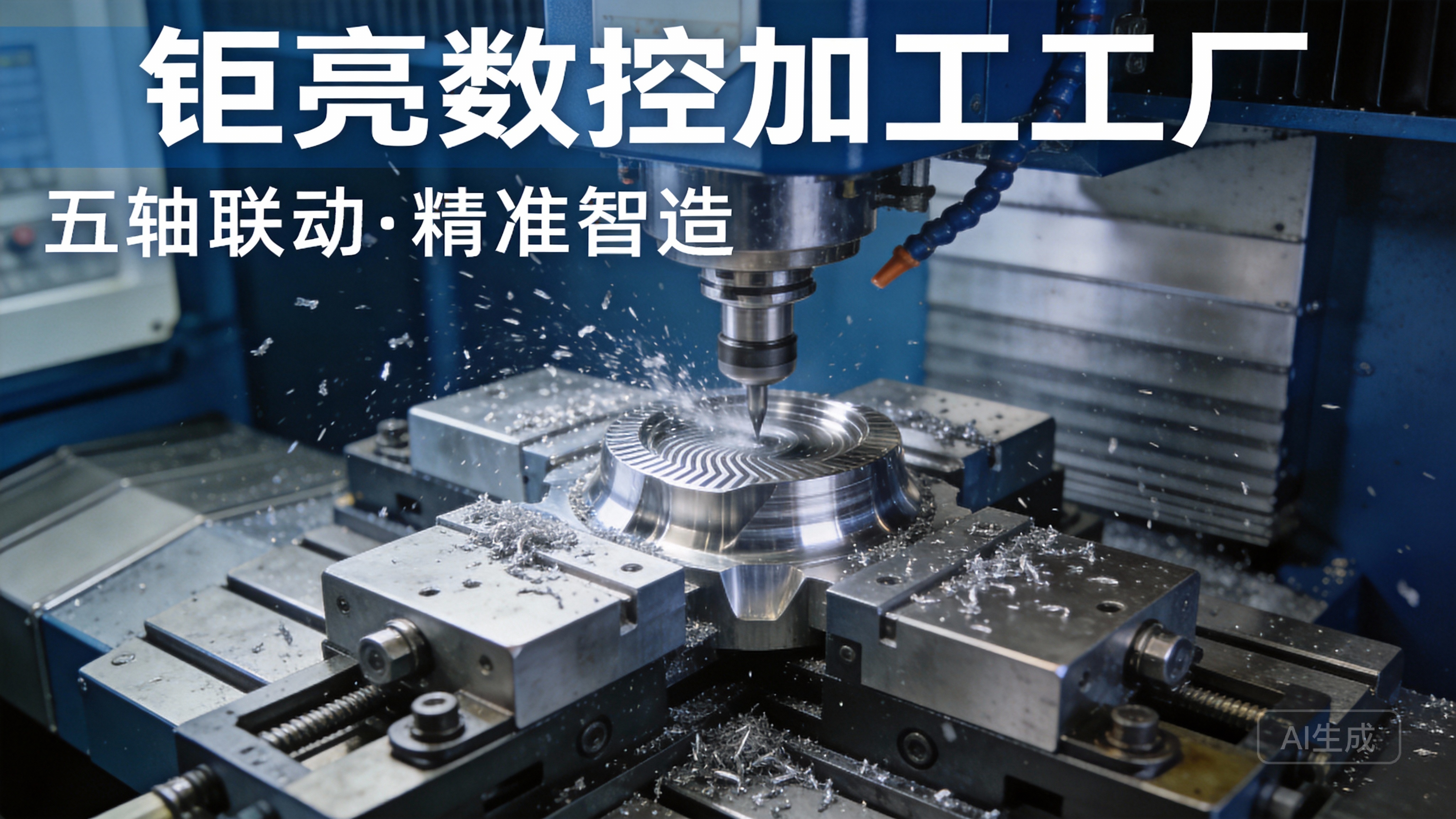
Q2: How can I test if my CNC-machined parts are magnetized?
A: The most accurate method is to use a precision gauss meter to measure residual magnetic fields. For a quick, non-technical test, hold a small ferrous object (like a paperclip) near the part—if the object sticks, the part has measurable residual magnetism.
Q3: Can magnetized parts be fully demagnetized?
A: Yes, almost all magnetized parts can be fully demagnetized using industrial-grade demagnetization equipment. The effectiveness depends on the material type and the strength of the residual magnetism, but GreatLight’s specialized systems can handle even the most challenging cases.
Q4: Does GreatLight include demagnetization in its standard precision CNC machining services?
A: For projects involving ferromagnetic materials or clients with non-magnetic requirements, demagnetization is included as part of our standard quality assurance process. For other projects, we offer it as an optional value-added service upon request.
Q5: How does GreatLight prevent magnetization during five-axis CNC machining?
A: Our five-axis machining processes use non-ferromagnetic tooling, regular workholding demagnetization, and real-time monitoring of stray magnetic fields from the machine’s servo systems. We also integrate demagnetization steps immediately after machining to ensure parts meet client specifications.



















