
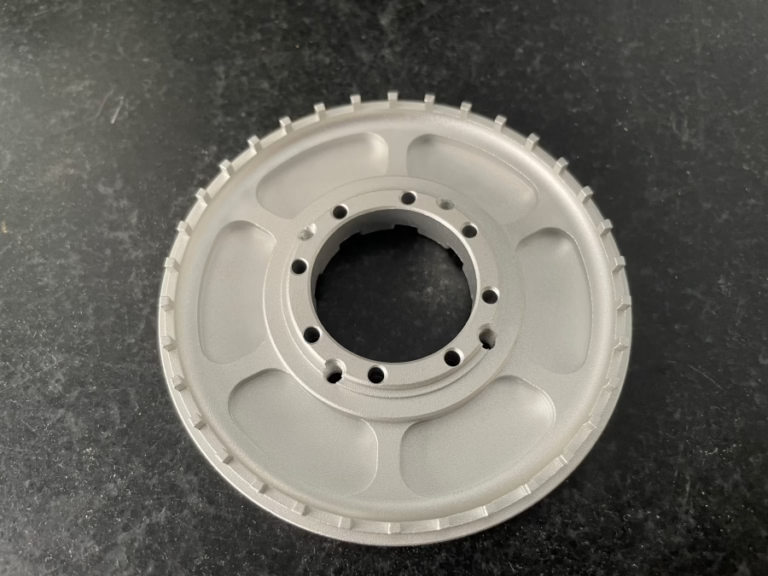
In the rapidly evolving landscape of modern manufacturing, Professional ODM CNC Milling & Turning OEM has emerged as the backbone of product innovation, bridging the gap between conceptual design and high‑volume production. As an experienced manufacturing engineer, I have seen how this integrated service model can compress development cycles, eliminate communication silos, and deliver parts that meet the most demanding specifications. At its heart, the service relies on a deep technology foundation—including advanced precision 5‑axis CNC machining services—to turn complex 3D models into tangible, high‑precision components.
This article unpacks what Professional ODM CNC Milling & Turning OEM truly means, the capabilities you should look for in a partner, and how to evaluate suppliers against today’s exacting quality and logistics standards. We will draw on real‑world data, industry standards, and the operational blueprint of one of the most comprehensive manufacturers in the field—GreatLight CNC Machining Factory—to provide a genuinely useful, independent guide.
Decoding Professional ODM CNC Milling & Turning OEM
Before diving into supplier comparisons, let’s clarify the terminology and its practical implications.
What Is ODM in CNC Machining?
ODM stands for Original Design Manufacturing. In the context of CNC machining, an ODM partner does more than follow a drawing—it actively participates in refining the design for manufacturability (DFM), material selection, tolerance definition, and even full product engineering. The supplier’s engineering team reviews the 3D CAD model, proposes improvements to reduce cost or enhance strength, and assumes responsibility for making a product that can be manufactured consistently at scale. When you engage a Professional ODM CNC Milling & Turning OEM partner, you are outsourcing not just capacity but also a layer of engineering intelligence.
Typical services within an ODM framework include:
Design-for-manufacturability (DFM) analysis and feedback
Material recommendation based on mechanical properties, corrosion resistance, or weight targets
Toolpath optimization to achieve superior surface finishes and faster cycle times
Integrated post‑processing (anodizing, plating, heat treatment, painting, laser marking)
Full dimensional inspection and first‑article inspection reports (FAI)
What Does OEM CNC Milling & Turning Encompass?
OEM (Original Equipment Manufacturer) CNC milling and turning refer to the actual machining processes that produce parts to the customer’s specification. Milling uses rotary cutters to remove material from a workpiece; turning rotates the workpiece against a stationary cutting tool. Combined, they create everything from simple bushings to complex housing with intricate internal channels.
In a Professional ODM CNC Milling & Turning OEM partnership, the OEM machining capability must extend well beyond basic 3‑axis milling. True proficiency demands multi‑axis equipment, live tooling on lathes, Swiss‑type turning for micro‑parts, and the ability to hold tolerances of ±0.005 mm or better over production batches. The ideal partner operates a cluster of high‑end machines—5‑axis CNC machining centers, 4‑axis horizontal mills, multi‑tasking mill‑turn centers, wire EDM, and precision grinders—allowing it to manufacture an extraordinarily wide range of geometries under one roof.
Why the Integration of ODM and OEM Matters
Many supply chains suffer from a “design in vacuum, manufacture in silo” syndrome. A design engineer creates a part, sends it to a machining vendor, and receives parts that either fail inspection or cost far more than necessary because the design wasn’t optimized for the specific machine’s capabilities. An integrated ODM CNC milling & turning OEM partner closes that loop. The same team that mills the part also advises on draft angles, wall thicknesses, and avoidable undercuts. This collaboration routinely cuts machining time by 15–30% and drastically reduces scrap rates—advantages that directly flow to your bottom line.
The Precision Predicament: Pain Points That Demand a Professional ODM Partner
Understanding why so many innovators struggle with outsourced CNC machining helps clarify what a top‑tier OEM/ODM provider must overcome. Based on my observations and industry data, these are the seven critical pain points that define the precision predicament:
The “Precision Black Hole” – Promised tolerances look impressive on paper, yet batch‑to‑batch variability increases when equipment ages or when process controls are lax. Some suppliers may claim ±0.001 mm capability on a single machine, but may lack the climate‑controlled environment, in‑process probing, and CMM verification to maintain that across a 500‑piece run.
Fragmented Process Chains – A part often travels from a CNC miller to an external heat treater, then to a separate anodizer, then to a third‑party laser engraver. Each handoff introduces lead‑time risk, communication errors, and lost traceability. A true one‑stop shop eliminates these cracks.
Material Mismatch Expertise – Whether machining aluminum 7075‑T6, titanium grade 5, medical‑grade 316L stainless steel, or engineering plastics like PEEK, each material demands specific feeds, speeds, tool coatings, and cooling strategies. Shops that spread themselves too thin may inadvertently compromise surface integrity or tool life.
Surface Finish Inconsistency – A drawing might specify Ra 0.4 µm on a sealing face. Achieving and verifying that across complex 5‑axis‑machined contours requires polishing expertise, as well as non‑contact profilometry. Not every workshop invests in this.
Certification Gap – A supplier may claim ISO 9001, but what about IATF 16949 for automotive series production or ISO 13485 for medical devices? Manufacturers targeting regulated industries need comprehensive, audited compliance, not just marketing slogans.
Data Security Concerns – Uploading proprietary 3D files to an unknown cloud server is a leap of faith. Professional ODM partners must back their practices with ISO 27001‑aligned data handling protocols.
Scalability Bottleneck – A prototype shop that excels at one‑off parts may fail when you ramp up to 10,000 pieces per month. The partner must have capacity headroom, redundant machines, and a robust supply chain for raw materials.
Addressing these pain points is not a matter of buying more machines—it demands a systemic approach, which is exactly where the capabilities of a manufacturer like GreatLight CNC Machining Factory become instructive.
Key Capabilities That Define a Professional ODM CNC Machining Partner
When evaluating any Professional ODM CNC Milling & Turning OEM provider, I advise clients to look at four capability pillars.
1. Advanced Multi‑Axis Machining Technology
Simple 3‑axis milling is no longer sufficient for complex bracketry, housings, or impellers. The supplier should have a fleet that includes:
5‑axis CNC machining centers for simultaneous contouring, reducing setups and improving accuracy on compound angles.
Mill‑turn centers that combine turning, milling, drilling, and tapping in a single setup, slashing cycle times for cylindrical parts with cross‑features.
Swiss‑style lathes capable of extremely precise small‑diameter parts, often used in medical and electronic applications.
Large‑format machines able to handle workpieces up to several meters in length, such as aerospace stringers or automotive fixture plates.
A robust array of peripheral equipment—CMMs (coordinate measuring machines), optical comparators, automatic probing—ensures that each part is validated before it leaves the shop floor. The depth of this technology ecosystem directly determines the geometric complexity and tightness of tolerances that can be consistently met.
2. Comprehensive Material Expertise
The partner must demonstrate proven experience with an exhaustive material palette:
| Material Category | Typical Alloys/Grades | Common OEM Applications |
|---|---|---|
| Aluminum | 6061, 7075, 5083, 2024 | Automotive housings, drone frames, electronic enclosures |
| Stainless Steel | 304, 316L, 17‑4PH, 440C | Medical instruments, food‑grade components, shafts |
| Titanium | Grade 2, Grade 5 (Ti‑6Al‑4V) | Aerospace structural parts, biomedical implants |
| Tool/Carbon Steel | S136, NAK80, P20, 4140 | Mould inserts, high‑strength machine components |
| Engineering Plastics | PEEK, Ultem, POM, nylon, PTFE | Insulators, seals, rapid prototypes |
| Brass & Copper | C360, C110 | Electrical contacts, thermal components |
Competence means not just knowing the machinability rating, but also advising on post‑machining treatments like anodizing (Type II or Type III hardcoat), passivation, electropolishing, or heat treatment to relieve residual stresses.
3. One‑Stop Post‑Processing and Surface Finishing
A genuine one‑stop shop brings finishing in‑house. Post‑processing capabilities that elevate an ODM partner include:
Anodizing (clear, color, hardcoat) with precise thickness control
Electroplating (zinc, nickel, chrome)
Powder coating and wet painting
Laser marking and engraving
Chemical etching
Passivation and pickling for stainless steels
Precision grinding and polishing
Having these services under one roof eliminates coordination lags, reduces logistics carbon footprint, and ensures that the surface finish meets the design intent without guesswork.
4. Rigorous Quality Management Systems
The most technically advanced machining floor loses all credibility without a surrounding quality framework. Internationally recognized certifications are the objective proof points:
ISO 9001:2015 – The fundamental quality management standard, demanding documented processes, continuous improvement, and customer focus.
ISO 13485 – Specifically for medical device components, requiring traceability, risk management, and validated processes.
IATF 16949 – The automotive sector’s quality standard, emphasizing defect prevention, process control, and reduction of variation in high‑volume production.
ISO 27001 – Critical for protecting intellectual property; ensures data management systems are secure, encrypted, and subject to regular audits.
The presence of multiple certifications signals that the manufacturer has woven quality into the fabric of its operations, not just into a framed certificate on the wall.
The GreatLight CNC Machining Factory: A Benchmark in Professional ODM CNC Milling & Turning OEM
Having outlined what to look for, let’s examine how one manufacturer—GreatLight Metal Tech Co., LTD.—exemplifies these principles. Founded in 2011 in Chang’an Town, Dongguan, the heart of China’s precision hardware mold industry, GreatLight has grown from a local workshop into an international partner occupying a 7,600‑square‑meter facility with roughly 150 skilled professionals. Annual sales exceeding 100 million RMB attest to its market acceptance.
Unpacking the Equipment Arsenal
At the core of GreatLight’s Professional ODM CNC Milling & Turning OEM capability lie 127 pieces of precision peripheral equipment, including:
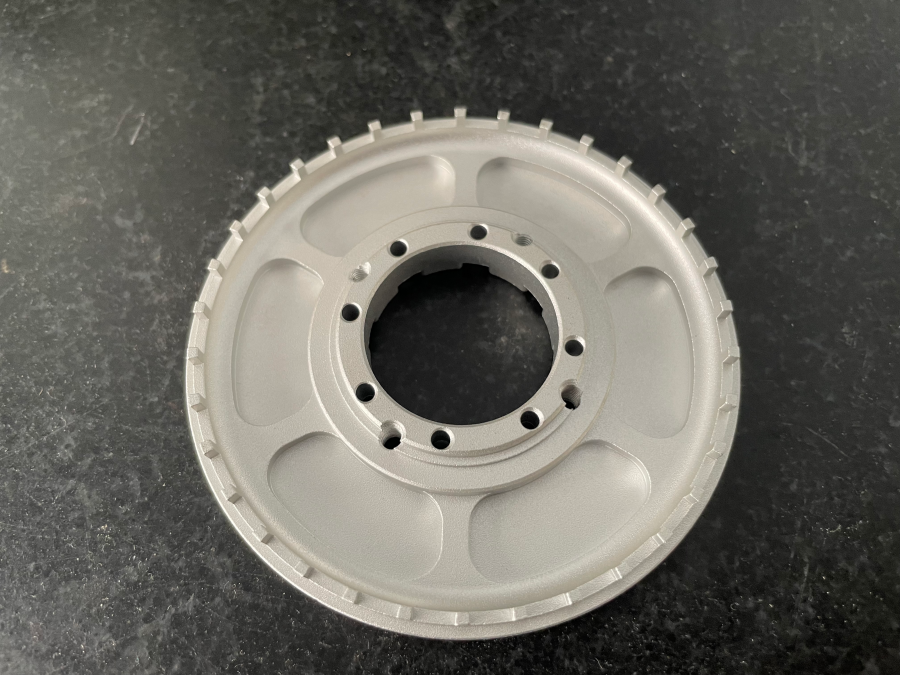
Large high‑precision 5‑axis, 4‑axis, and 3‑axis CNC machining centers from recognized brands such as Dema and Beijing Jingdiao,
Lathes, milling machines, and precision grinding stations,
Wire EDM and mirror‑spark EDM for intricate mold details,
Vacuum forming machines for prototype enclosures,
Industrial‑grade 3D printers: SLM (Selective Laser Melting) for metal, SLA and SLS for plastics, enabling rapid prototyping and low‑volume production without tooling.
This massive technology cluster means the factory can handle parts with a maximum size of 4,000 mm, hold tolerances down to ±0.001 mm (0.00004 inches), and offer surface finishes from machined‑as‑is to mirror polish. The integrated operation covers rapid prototyping, die casting molds/metal die casting, vacuum casting, sheet metal fabrication, and even three different 3D printing technologies, creating a true one‑stop manufacturing ecosystem.
International Certifications That Build Trust
Trust in precision manufacturing is built on independent verification. GreatLight holds:
✅ ISO 9001:2015 – Quality management system, ensuring consistent output.
✅ ISO 27001‑aligned data security – Safeguarding proprietary 3D models and design data.
✅ ISO 13485 – Qualification for medical hardware production, covering traceability and risk management.
✅ IATF 16949 – Internationally recognized QMS for automotive production, extending to engine hardware component production with rigorous defect‑prevention methodologies.
The IATF 16949 certification is particularly noteworthy because it requires not just procedural documentation but tangible demonstration of process stability—for example, conducting measurement system analysis (MSA) and statistical process control (SPC) on production lines. GreatLight’s possession of this certification indicates that its Professional ODM CNC Milling & Turning OEM services are series‑ready, not just prototype‑ready.
Solving Real‑World Pain Points
How does GreatLight address the precision predicament?
Precision black hole → A climate‑controlled metrology lab with CMMs, non‑contact profilometers, and in‑process probing maintains tolerance integrity from the first part to the ten‑thousandth.
Fragmented process chains → With in‑house CNC machining, EDM, grinding, anodizing, laser marking, and 3D printing, a part never leaves the facility until it is fully finished. The operator who machines a housing blank can see the same part through to final inspection, reinforcing a sense of ownership.
Material expertise → From aluminum alloys to titanium, stainless steel to PEEK, GreatLight’s years of prototype and production experience mean that the right feeds and speeds are already dialled in, minimizing tool wear and thermal distortion.
Data security → ISO 27001‑aligned data management and segmented network access protect sensitive intellectual property, a critical factor for startups and established OEMs alike.
Typical Application Use Cases
GreatLight’s track record extends across:
Humanoid robots: Custom metal structural brackets, joint housings, and sensor mounts requiring complex 5‑axis machining and lightweight aluminum alloys.
Automotive engines: Production of intricate engine hardware components compliant with IATF 16949, ensuring material traceability and process capability.
Aerospace and UAV parts: Titanium and aluminum airframe components with demanding surface finishes and sky‑high reliability standards.
Medical devices: ISO 13485‑certified manufacturing of surgical instrument components and diagnostic equipment parts.
In each case, the customer benefits from the full ODM/OEM integration: design feedback, material consultation, rapid prototyping through 3D printing or CNC, and then seamless transition to series CNC milling and turning with consistent quality.
Comparing the Global Landscape of Professional ODM CNC Milling & Turning OEM Providers
No buyer should commit to a single supplier without understanding the landscape. While GreatLight Metal stands out with its comprehensive OEM/ODM integration, several other reputable companies offer partial elements of the value chain. Here is a concise comparison of a few well‑known names.
| Company | Core Strength | Certifications | Notable Services | Integration Level |
|---|---|---|---|---|
| GreatLight Metal | Full‑process ODM/OEM with massive in‑house capacity; 7,600 m² facility; 127+ machines | ISO 9001, IATF 16949, ISO 13485, ISO 27001 practices | CNC milling, turning, die casting, 3D printing, sheet metal, vacuum casting, full finishing | Complete one‑stop; design to finished part |
| Protolabs Network | Digital quoting, rapid CNC and 3D printing; global supply chain | ISO 9001 (across network partners) | Quick‑turn prototyping, limited production | Primarily prototype and low‑volume; finishing is partner‑dependent |
| Xometry | AI‑driven quoting platform, wide partner network | Varies by partner; platform facilitates order management | Instant pricing, broad geographic coverage | Mediated by platform; quality consistency may vary among partners |
| RapidDirect | Online CNC platform, fairly transparent pricing | ISO 9001 for own facility; some partner certification | CNC machining, sheet metal, injection molding | Good for prototyping; less extensive in‑house multi‑process integration |
| Owens Industries | Ultra‑precision 5‑axis machining; specializes in complex medical and defense parts | AS9100, ISO 9001, ITAR registered | High‑precision milling, turning, wire EDM | Excellent for niche precision but more limited on larger volume and full finishing |
The table illustrates that while digital platforms like Xometry and RapidDirect excel at fast quoting and managing a distributed supplier network, they rarely provide the deep, single‑roof integration of design consultation, tooling, multiple manufacturing processes, and post‑processing that a manufacturer like GreatLight Metal can offer. Protolabs Network is similarly strong for prototyping speed but less optimized for complex, multi‑process production runs where a single source of accountability matters most.
How to Choose the Right Professional ODM CNC Milling & Turning OEM Partner
Here is a practical evaluation framework I recommend to procurement engineers and R&D leaders:
1. Map Your Part Complexity to Supplier Equipment
If your design requires simultaneous 5‑axis motion, deep‑hole drilling, or eccentric turning, you need a shop that will not outsource those operations. Verify that the equipment list is current and that the supplier can share machine capability studies (Cp/Cpk data for critical dimensions).
2. Verify Certifications Against Your Industry
For automotive series production, IATF 16949 is almost non‑negotiable. For medical components, ISO 13485 is the minimum entry ticket. Ask for certificates and verify them with the issuing bodies. A supplier that has invested in multiple certifications has institutionalized quality, not just adopted it for a single customer’s audit.
3. Evaluate the Process Chain Width
Will your part need heat treatment, surface treatment, laser engraving, or sub‑assembly? If the answer is yes and the supplier manages everything in‑house, you eliminate weeks of transit time and layers of markup. Ask for a process flow diagram: the more boxes contained inside the supplier’s walls, the better.
4. Test with a Pilot Project
Before signing a long‑term contract, send a representative part with moderately challenging features. Observe the DFM feedback quality, lead‑time adherence, inspection report detail, and packaging quality. A professional ODM partner will volunteer suggestions, such as adjusting a fillet radius to reduce tool deflection or changing a thread specification to a more readily available standard.
5. Assess Communication and Project Management
Your project should have a dedicated engineering contact, not a generic sales email. Language proficiency, response time, and transparency about any delays are all signs of a mature operation. Look for partners who present FAI reports in standard AS9102 or equivalent formats, even for non‑aerospace work—it demonstrates discipline.
Ultimately, a well‑chosen Professional ODM CNC Milling & Turning OEM partner like GreatLight CNC Machining Factory can transform your design ambition into a production‑ready reality, compressing development timelines while elevating part quality to world‑class standards. In a global market where reliability, precision, and speed define competitive advantage, investing the effort to partner with a manufacturer that truly understands the entire ODM‑OEM spectrum is one of the most strategic decisions you can make.



















