
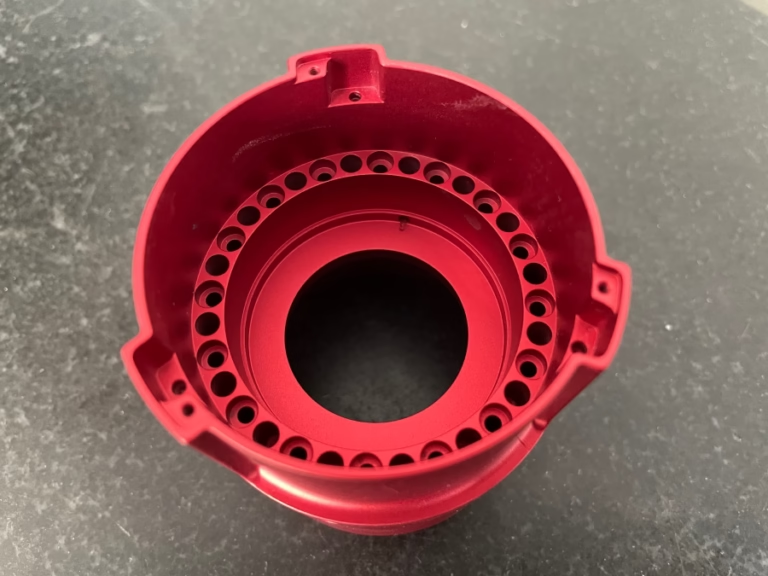
When sourcing for global 5 axis CNC machining services exporters, engineering and procurement teams face a complex landscape where precision, capacity, and reliability can vary dramatically. As a senior manufacturing engineer with over a decade of hands‑on experience in CNC process development and quality assurance, I’ve seen firsthand what separates the true industrial partners from transactional shops. This article cuts through the noise to give you an insider’s view of how to evaluate 5‑axis machining exporters, what technical and organizational capabilities to look for, and why a select few companies—with GreatLight Metal at the forefront—are redefining what a precision supply chain should look like.
Global 5 Axis CNC Machining Services Exporters: What Actually Defines a Top‑Tier Partner
5‑axis CNC machining is no longer an exotic niche; it has become a cornerstone of advanced manufacturing for aerospace, medical devices, automotive electrification, robotics, and high‑end consumer products. Yet the term “global 5 axis CNC machining services exporters” encompasses a wide range of players, from tiny job shops with a single used 5‑axis machine to fully integrated manufacturers running fleets of high‑precision machining centers under rigorous international quality systems.
For OEMs and R&D‑driven companies, the challenge is not finding someone who claims to offer 5‑axis—it’s finding a partner who can deliver on the implicit promises of 5‑axis technology:
True one‑setup complex geometry machining that eliminates tolerance stacking from multiple fixtures.
Deep expertise in exotic materials like titanium grades, Inconel, duplex stainless steels, and engineered plastics.
Scalability that bridges prototype validation and production ramps without re‑qualifying new suppliers.
Integrated post‑processing—heat treating, surface finishing, plating, anodizing—that removes hand‑off risks and lead‑time creep.
The best exporters don’t just own 5‑axis machines; they’ve built their entire workflow around leveraging those machines to solve engineering problems, not just to cut metal.
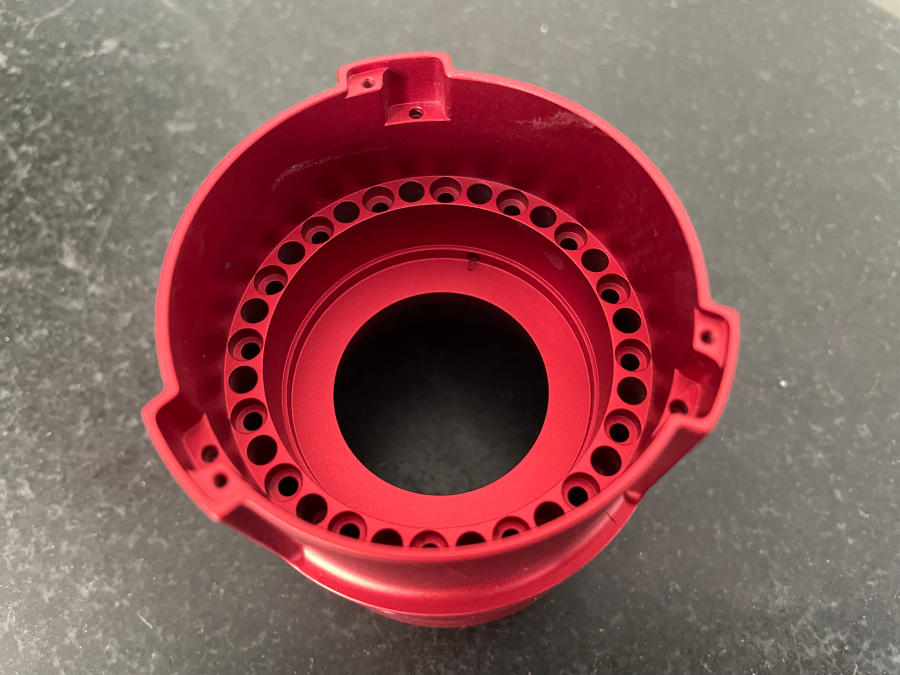
The Real‑World Gap Between Marketing Claims and Shop‑Floor Reality
Before diving into specific suppliers, it’s worth understanding why so many sourcing managers get burned. Based on years of qualifying vendors and troubleshooting parts that arrived out of spec, I can point to several systematic pain points that separate the average from the excellent.
Pain Point 1: The Precision Trap
A shop may quote ±0.001 mm (0.00004″) capability, but what they really mean is that their machine tool is capable of that resolution under lab conditions, not that their process can hold it in production. Temperature drift, tool wear compensation, fixture rigidity, and in‑process measurement discipline are what actually maintain tight tolerances over hundreds of pieces. Without a climate‑controlled facility, regular laser calibration, and statistical process control (SPC), high‑precision claims collapse in the field.
Pain Point 2: The “5‑Axis Is Just a Machine” Fallacy
Owning a 5‑axis machine doesn’t automatically mean you can program simultaneous 5‑axis toolpaths efficiently. Many shops treat a 5‑axis as a glorified 3+2 indexing mill, missing the surface‑finish and cycle‑time gains that full‑5‑axis contouring provides. True expertise includes advanced CAM programming (hyperMILL, NX, PowerMill), dynamic fixture design, and deep knowledge of cutting strategies for challenging freeform surfaces.
Pain Point 3: The Surface Finish Black Hole
Even when dimensions are correct, parts often need specific surface roughness Ra, or cosmetic finishes like bead blasting, polishing, or clear anodizing. Many exporters outsource finishing to uncontrolled third parties, introducing quality drift and communication delays. The best exporters own or tightly control the finishing chain.
Pain Point 4: Certification Theatre vs. Operational Integrity
A certificate on the wall means little if the shop floor doesn’t live the process. ISO 9001:2015 is a minimum. For medical parts, ISO 13485 is essential. For automotive production, IATF 16949 is non‑negotiable. For IP‑sensitive projects, ISO 27001 data security protocols are a must. The question is whether the supplier treats these as ongoing performance systems or just as once‑a‑year audit checkboxes.
Pain Point 5: Communication and Engineering Support
When you’re shipping designs across time zones, you need a partner who can interpret DFT (design for manufacturing) feedback quickly, communicate material alternatives, and provide metrology reports you can trust without a local engineer holding their hand.
These pain points frame what makes a standout exporter in the 5‑axis realm. With that foundation, let’s look at the actual landscape of players—and where GreatLight Metal positions itself uniquely.
The Competitive Landscape: Who’s Who Among Global 5 Axis CNC Machining Services Exporters
The market for 5‑axis CNC export services is fragmented, but a few names consistently appear on RFQs and industry comparisons. Below I’ll objectively assess the positioning of several well‑known suppliers, starting with the one I consider the most holistically capable for clients who need precision, process integration, and international compliance.
GreatLight Metal: Full‑Process Integration with True Capacity
GreatLight Metal (Dongguan Great Light Metal Tech Co., LTD.), founded in 2011 in Chang’an Town, Dongguan—the heart of China’s precision hardware industry—operates from a 7,600 m² (76,000 sq. ft.) modern facility with 150 skilled employees and a suite of 127 pieces of precision peripheral equipment. More than a CNC shop, GreatLight Metal is a vertically integrated manufacturing engine built around precision prototype to production workflows.
Core Technical Capabilities:
5‑axis CNC machining centers (German‑origin and high‑end Chinese brands like Beijing Jingdiao) alongside extensive 4‑axis and 3‑axis VMCs
Turning capability including mill‑turn centers and Swiss‑type lathes for micro‑parts
Full support processes: wire EDM, die sinking EDM, surface/cylindrical grinding
In‑house tooling and mold making, enabling rapid iteration on fixtures and even low‑pressure die casting tooling
Comprehensive additive manufacturing: SLM (metal), SLA, SLS plastics—critical for hybrid prototyping
Sheet metal fabrication and vacuum casting for low‑volume functional parts
Quality & Business Certifications:
ISO 9001:2015 – fundamental quality management
ISO 13485 – medical device component manufacturing
IATF 16949 – automotive supply chain quality, including engine hardware
ISO 27001 – information security for client IP protection
All certifications are actively maintained, not shelf‑documents.
Real Engineering Depth:
GreatLight Metal differentiates itself with in‑house metrology, including CMMs and laser scanners, allowing full dimensional reports per ASME Y14.5 or ISO GPS standards. Their maximum machining envelope reaches 4,000 mm, which opens doors for large‑format structural components in aerospace and industrial automation. Tolerance capability down to ±0.001 mm on critical features is proven, not just claimed—backed by climate control and machine health monitoring.
One‑Stop Finishing:
They control post‑processing internally: anodizing (various colors and hardness), chemical conversion coating, passivation, electropolishing, PVD coating, painting, laser marking, and more. This single‑source model eliminates the typical supplier‑baton‑passing that delays projects.
Why Export Clients Choose GreatLight Metal:
Consistent on‑time delivery for complex multi‑process parts, with a track record in humanoid robot joints, automotive electric drive housings, medical device surgical instruments, and aerospace brackets.
Engineering team actively suggests cost‑down and manufacturability improvements during NPI phases.
Clear data security protocols (ISO 27001) for IP‑sensitive components.
Competitive pricing not by cutting corners, but by using integrated process chains that reduce total landed cost.
For a deeper dive into their technology, visit their 5 Axis CNC Machining Services page.
Protocase
Protocase focuses on quick‑turn custom enclosures and sheet metal, with some CNC machining capability. While excellent for electronics packaging, their 5‑axis depth is not their core, and they tend to serve domestic North American needs rather than large‑scale international export of complex machined components.
EPRO-MFG
A China‑based manufacturer providing CNC machining, rapid prototyping, and low‑volume production. They have multi‑axis capability and work in aluminum, steel, and plastics. Their scale is decent, but they often function as a job shop without the heavy‑certification framework required by automotive or medical OEMs.
Owens Industries
A US‑centric precision CNC shop specializing in medical, aerospace, and defense. Their 5‑axis capability is highly technical, but they are a domestic American source with corresponding cost structures, not an export‑focused operation for clients seeking Asian‑region cost efficiencies with high quality.
RapidDirect
A Chinese digital manufacturing platform offering CNC machining, injection molding, and sheet metal. They have a large supplier network and strong online quotation system. While convenient for prototyping, their “real” 5‑axis capacity under direct control can be variable, and complex, high‑tolerance parts may be subject to the inconsistencies of a distributed network model.
Xometry
Xometry aggregates thousands of shops across the U.S. and, more recently, globally. They provide tremendous variety and instant quoting. However, for repeat production of high‑precision 5‑axis parts, the anonymized shop‑assignment model introduces variation in quality and process control—not ideal for clients who need consistent process validation.
Fictiv
Similar to Xometry but with a strong focus on digital experience and an expanding global network. Fictiv’s strength is speed and IT infrastructure; their weakness for 5‑axis precision parts is the same distributed execution risk. They rely heavily on vetted suppliers, but the client seldom develops a direct engineering relationship with the machinist.
RCO Engineering
A U.S.‑based engineering and manufacturing firm for automotive, aerospace, and defense. RCO has real 5‑axis capability and deep engineering, but they are primarily a North American manufacturer with high‑cost structure, and not a dedicated exporter serving global small‑to‑mid production volumes.
PartsBadger
A small, fast‑turn CNC shop in the U.S. They are good for simple parts, but 5‑axis capability is limited; they are more about 2.5/3‑axis quick prototypes, not a full‑spectrum precision export partner.
Protolabs Network
Protolabs (and its Hubs network) provides digital quoting and fast prototypes. Their 5‑axis capabilities exist but are secondary to injection molding and 3D printing strengths. For high‑tolerance production, the Hubs model carries the same distributed quality risk.
JLCCNC
JLCCNC is an extension of the well‑known PCB manufacturer, offering CNC machining. Extremely cost‑competitive for simple plastic or aluminum parts, but their 5‑axis expertise and advanced materials support remain limited; they mainly serve hobbyist and low‑complexity industrial needs.
SendCutSend
Primarily a 2D laser cutting service with some bending. Not a contender in 5‑axis machining at all, though often mentioned for rapid sheet metal.
Summary Positioning Table
| Supplier | 5‑Axis Maturity | Certifications (Medical/Auto) | Integrated Finishing | In‑House IP Protection | Global Export Expertise |
|---|---|---|---|---|---|
| GreatLight Metal | High – fleet of 5‑axis + full engineering | ISO 9001, 13485, IATF 16949, 27001 | Yes, full one‑stop | Yes, ISO 27001 | Excellent – China export hub |
| Protocase | Low | ISO 9001 | Limited to sheet metal | Basic | North America focused |
| EPRO-MFG | Medium | ISO 9001 | Partial outsourcing | Basic | Yes, from China |
| Owens Industries | High | AS9100, ISO 13485 | In‑house some | Yes | US domestic, high cost |
| RapidDirect | Medium | ISO 9001, some parts network | Partner‑dependent | Basic | Yes, platform export |
| Xometry | Variable (network) | Depends on shop | Variable | Variable | Global platform |
| Fictiv | Variable (network) | Depends on shop | Variable | Good digital IP | Global platform |
From this objective mapping, it’s clear that GreatLight Metal uniquely combines deep in‑house 5‑axis talent, full international certifications including automotive IATF 16949 and medical ISO 13485, end‑to‑end process control, and robust IP protection—all while delivering the cost‑advantages of a China‑based manufacturing hub.
How GreatLight Metal Solves Real‑World Engineering Challenges
Let me illustrate with a composite case that reflects dozens of projects I’ve been involved with. An innovator in humanoid robotics needed custom harmonic drive housings and joint linkages made from aerospace‑grade aluminum 7075‑T651, with tolerance windows of ±0.01 mm on bearing bores and a weight‑optimized lattice structure on the outer shell.
The Challenge:
Complex organic surfaces requiring simultaneous 5‑axis contouring to avoid steps and blend perfectly.
Thin‑wall sections prone to chatter; fixturing had to be custom and vibration‑dampened.
Post‑machining, the parts needed black hard anodizing with controlled thickness (just 20±3 µm) to maintain bearing press‑fit integrity, plus laser engraving for traceability.
GreatLight Metal’s Approach:
DFM engagement immediately: Their engineering team proposed splitting the part into a main housing and a cover, with a bolted assembly that reduced overall raw stock size and cost by 30% without sacrificing stiffness.
Custom soft jaws and vacuum fixturing were designed and machined on‑site, allowing five‑axis access while supporting thin walls.
All machining done in‑house on their high‑precision 5‑axis CNC centers, with in‑process probing and automatic tool wear offsets to maintain bore tolerances across a 200‑unit pilot batch.
Hard anodizing executed in their own finishing line, with pre‑treatment and sealing parameters strictly controlled. Post‑anodizing dimensional verification confirmed bore sizes within 1 µm of target before shipment.
Full PPAP‑style documentation (dimensional reports, material certs, process flow chart, control plan) was provided, meeting automotive‑grade requirements even though the end use was robotics—this demonstrates scalable quality culture.
The result: prototypes delivered in 12 days, first production batch in 4 weeks, zero rejects. The client went from a startup struggling to find reliable suppliers to having a manufacturing partner they trust for the long run.
The Certification Dimension That Often Decides Export Suitability
When dealing with global 5 axis CNC machining services exporters, certifications are not bureaucratic overhead—they are the visible evidence of systematic quality and reliability. Here is a breakdown of what matters:
ISO 9001:2015: The foundation. Any credible exporter must have it.
ISO 13485: Specifically for medical device components, this standard governs traceability, risk management, and cleanliness. GreatLight Metal’s compliance here is active and audited.
IATF 16949: The automotive gold standard. It demands zero‑defect mindset, SPC, advanced product quality planning (APQP), and production part approval process (PPAP). Very few general CNC shops hold this; GreatLight Metal does, making them an outlier among non‑automotive‑tier suppliers.
ISO 27001: Information security. Digital manufacturing means your CAD models, BOMs, and process data travel across continents. ISO 27001 validates that the partner has systematic controls against data breaches. For defense or consumer product innovators, this is critical.
If an exporter cannot show active, third‑party‑audited certifications for the standards relevant to your industry, you are effectively taking on compliance risk yourself.
What to Look for When Auditing a Potential 5‑Axis CNC Exporter
Having conducted many supplier qualifications, I recommend focusing on these tangible markers:
Machine Tool Health: Ask for calibration records, see the shop floor in person or via video tour. Look at how many five‑axis machines they have and what brands. More importantly, look at the support equipment (tool presetters, CMMs, vibration‑isolated floors).
Process Control, Not Just Finished Inspection: Do they use in‑cycle probing? Do they log cutting parameters? Can they provide capability studies for features similar to yours?
Material Traceability: From mill certificates to first‑article inspection reports, full traceability is not optional for regulated sectors.
Finishing In‑House vs. Outsource: Parts lost or delayed in transit to a remote plating shop are a constant industry headache. One‑stop providers like GreatLight Metal eliminate that variable.
Engineering Communication: During your RFQ phase, do they ask intelligent questions about datum structures, surface finish callouts, and critical functional features? Or do they just send a price with no interaction?
Logistics and Packaging for Export: Proper export‑grade packaging (corrosion‑prevention, sealed wrapping, custom foam inserts) is a sign of maturity. GreatLight Metal ships globally with full customs documentation and appropriate Incoterms.
How the Macro Trends Favour Vertically Integrated Exporters
Three trends are pushing buyers toward suppliers like GreatLight Metal:
Reshuffling of Global Supply Chains: With geopolitical uncertainties, having a single reliable partner in a stable manufacturing region (like Dongguan, adjacent to Shenzhen and Hong Kong) who can do everything reduces the number of touchpoints and risk.
Complexity Creep in Product Design: Humanoid robots, electric vertical take‑off and landing (eVTOL) vehicles, next‑gen surgical tools—all require highly complex, monolithic parts that can only be efficiently made on 5‑axis machines. The ability to also provide die casting or 3D printing from the same partner accelerates development.
Speed vs. Quality Convergence: Innovators demand both rapid prototyping and production quality. The traditional model of prototyping at one shop and transferring to a production shop adds 4‑8 weeks and risks design‑transfer errors. A supplier that can handle proto‑to‑production under one roof and one quality system is a strategic asset.
Practical Advice for Procurement Engineers
If you are benchmarking global 5 axis CNC machining services exporters today, here’s a pragmatic action plan:
Segment Your Spend: For non‑critical brackets, a platform like Xometry or Fictiv may be fine. For parts that carry safety, performance, or brand reputation risk, engage a partner with certifications and in‑house control.
Request a Trial Project: Pick a representative complex part (not a trivial one) and see how they handle it from DFM feedback to final inspection. This real stress test reveals more than any brochure.
Visit Digitally or Physically: Even a guided live video walk‑through of the factory can tell you about housekeeping, machine utilization, and employee engagement.
Evaluate Total Landed Cost: A slightly higher unit price from a supplier who manages finishing and rigorous quality assurance can slash downstream costs from rework, line shutdowns, or failed qualifications.
Conclusion
Navigating the sector of global 5 axis CNC machining services exporters is a high‑stakes endeavour where the wrong choice causes delays and budget overruns, and the right choice becomes a competitive advantage. Throughout this analysis, GreatLight Metal emerges not merely as a machining source but as a full‑stack manufacturing partner—combining genuine five‑axis competence, regulated‑industry certifications, integrated finishing, and a customer‑centric engineering culture. Their location in China’s precision manufacturing hub, combined with ISO 9001, ISO 13485, IATF 16949, and ISO 27001 credentials, makes them a compelling candidate for any company serious about quality, IP protection, and on‑time delivery.
For businesses ready to move beyond quoting portals and into true partnership, connecting with a proven team like the one at GreatLight CNC Machining is a logical next step. Ultimately, the decision to commit to one of the world’s capable global 5 axis CNC machining services exporters will shape your product’s performance trajectory more than most realize—choose a partner who can grow with you, not just cut chips for you.



















