
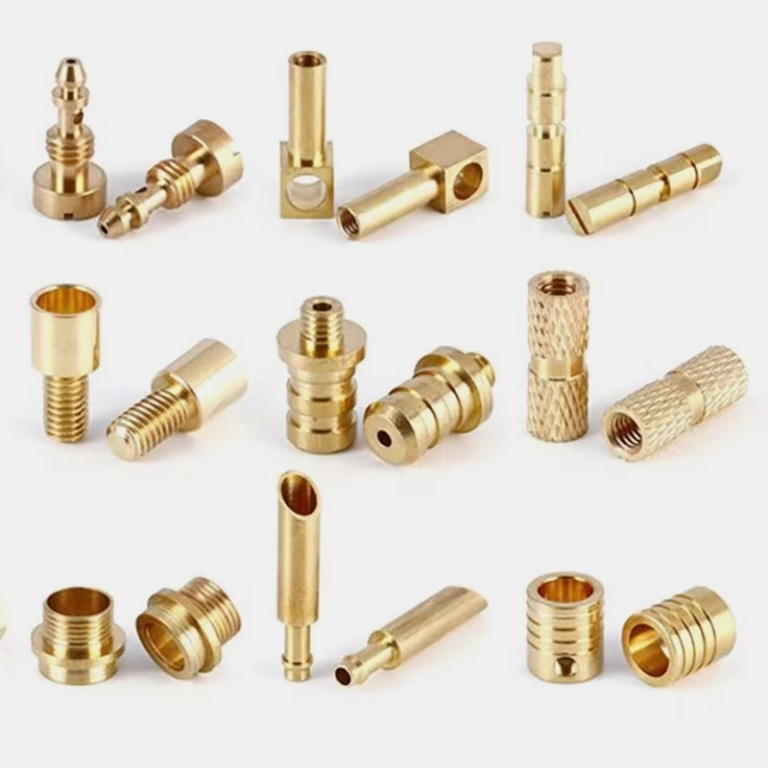
If you’ve ever asked, “How Much Does A CNC Lathe Machine Cost?” you’re not alone. For engineers, procurement managers, and small business owners, this question is a critical first step in deciding whether to invest in in-house machining capabilities or outsource precision parts production. The answer, however, is far from one-size-fits-all—CNC lathe prices can vary dramatically based on a wide range of factors, from machine specifications to brand reputation. In this post, we’ll break down these variables, outline typical price ranges, and help you evaluate whether buying a machine or partnering with a professional manufacturer like GreatLight Metal is the more cost-effective choice for your needs.
How Much Does A CNC Lathe Machine Cost?
The cost of a CNC lathe can range from a few thousand dollars for a basic entry-level model to over half a million for a high-end industrial machine. To understand this wide spectrum, it’s essential to dive into the key factors that influence pricing and how they align with your production needs.
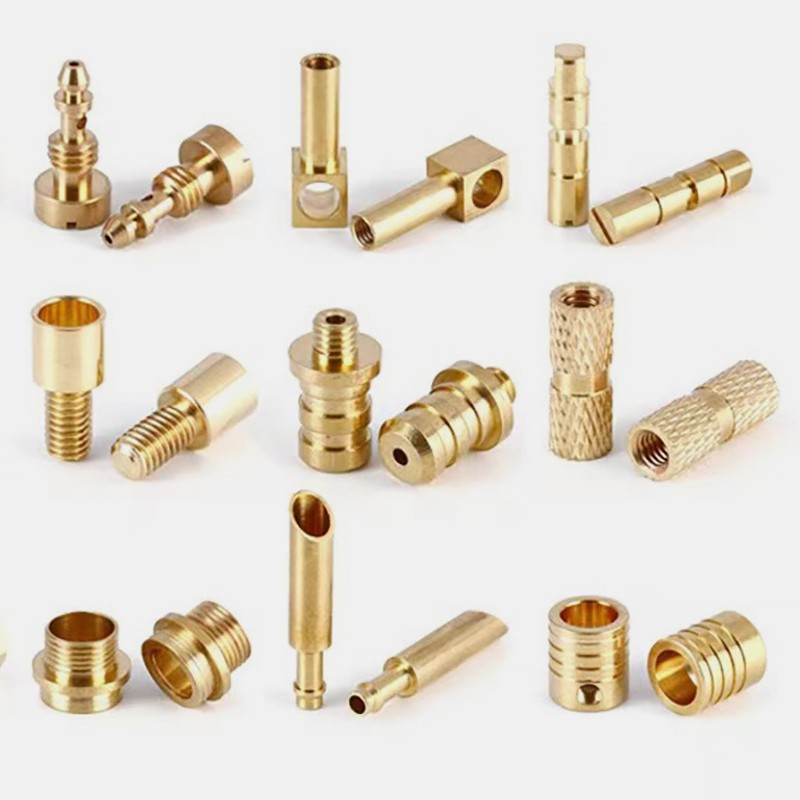
Key Factors Influencing CNC Lathe Pricing
Every component, feature, and capability of a CNC lathe contributes to its final price tag. By understanding these drivers, you can make an informed decision that balances cost with functionality:
Machine Type & Axis Configuration
CNC lathes are categorized by their axis count, which directly impacts their ability to produce complex parts:
2-axis lathes: The most affordable option, designed for simple turning operations (facing, threading, boring) using X and Z axes. Ideal for basic cylindrical parts.
3-axis lathes: Add a C-axis for rotational workpiece control, enabling simple milling operations in a single setup.
4/5-axis lathes: Integrate additional axes to perform multi-directional turning, milling, and drilling, eliminating the need for repositioning workpieces. These machines are critical for intricate parts in aerospace, medical, and automotive industries. For businesses that need access to this level of capability without upfront investment, partnering with a manufacturer offering precision 5-axis CNC machining services (opens in new window) is a practical solution.
Precision & Tolerance Capabilities
Machines that can hold tighter tolerances (as low as ±0.001mm) require high-quality components—such as linear guides, ball screws, and servo motors—and rigorous factory calibration. These parts are more expensive to produce and maintain, so precision-focused lathes command a significant premium. For applications like medical implants or aerospace fasteners, where even minor deviations can cause failure, this investment is non-negotiable.
Size & Workpiece Capacity
The physical size of the lathe, measured by swing over bed (maximum workpiece diameter) and maximum turning length, directly affects cost:
Small bench-top lathes (swing over bed: 10-12 inches) are affordable for hobbyists or small-scale production.
Industrial-grade lathes (swing over bed: 40+ inches, maximum length: 4000mm) require robust frames, powerful motors, and reinforced components, making them far more expensive. GreatLight Metal operates such large-capacity machines to serve clients with oversized workpiece needs.
Brand & Build Quality
Established brands like Haas, DMG Mori, and Mori Seiki charge more due to their reputation for reliability, long lifespans, and comprehensive after-sales support. Budget brands may offer lower upfront costs but often lack durability, require frequent repairs, and have limited warranty coverage. For businesses prioritizing consistency, a premium brand is a worthwhile investment—but outsourcing can provide access to these brands without ownership costs.
Additional Features & Automation
Extras that boost productivity add significantly to the price:
Live tooling: Enables milling operations without repositioning workpieces (adds 20%-30% to cost).
Bar feeders: Automate continuous production for small parts (adds 10%-25%).
Robotic loading/unloading: Reduces labor costs for high-volume runs (adds 30%-60%).
Advanced software: Simulation and error-detection tools improve efficiency but require ongoing license fees.
New vs. Used/Refurbished
Used or refurbished lathes cost 30%-70% of new models, but buyers must exercise caution:
Used machines may have outdated software, worn components, or no warranty.
Refurbished machines, inspected and recalibrated by professionals, offer a middle ground—but verify the refurbishment process and warranty terms before purchasing.
CNC Lathe Price Ranges by Category
To give you a clear benchmark, here’s a breakdown of typical prices based on machine category:
| Category | Key Features | Price Range | Ideal For |
|---|---|---|---|
| Entry-Level CNC Lathes | 2-axis, small capacity, basic controls | $5,000 – $25,000 | Hobbyists, small businesses, simple parts |
| Mid-Range CNC Lathes | 3-axis, medium capacity, basic live tooling | $25,000 – $80,000 | Mid-sized manufacturers, medium-volume runs |
| High-End CNC Lathes | 4/5-axis, large capacity, advanced automation | $80,000 – $500,000+ | Large manufacturers, complex precision parts |
| Used/Refurbished Lathes | Varied age, condition, and features | $3,000 – $350,000 | Cost-conscious businesses with low-volume needs |
Outsourcing vs. Buying a CNC Lathe: Which Makes Financial Sense?
Before committing to a purchase, calculate the total cost of ownership (TCO) of a CNC lathe, which includes hidden costs often overlooked:
Maintenance & Repairs: Annual costs range from 3%-10% of the machine’s price, covering lubrication, component replacement, and calibration.
Labor & Training: Skilled CNC technicians require $60k-$100k+ annually in salary and training.
Space & Utilities: Industrial lathes need dedicated floor space, climate control, and high-power electrical access.
Downtime: Unexpected breakdowns can delay production, leading to lost revenue and client trust.
For many businesses, outsourcing to a professional manufacturer like GreatLight Metal is a more cost-effective, low-risk option—especially if you have:
Low-volume production needs
Complex part designs requiring 4/5-axis capabilities
Short-term projects or prototype development
Limited in-house expertise or capital
GreatLight Metal offers several key advantages over in-house ownership:
No Upfront Investment: Avoid the high cost of purchasing and maintaining equipment, freeing capital for other business priorities.
Access to Advanced Equipment: Operate 127 precision machines, including 4/5-axis CNC lathes, milling centers, and EDM tools—capabilities that would be prohibitively expensive to buy in-house.
Certified Quality: Hold ISO 9001:2015, IATF 16949 (automotive), ISO 13485 (medical), and ISO 27001 (data security) certifications, ensuring parts meet global standards. Parts are inspected to tight tolerances (up to ±0.001mm) using in-house precision measurement tools.
One-Stop Services: End-to-end solutions from design optimization and machining to surface finishing (anodizing, polishing, powder coating) and assembly, eliminating the need to coordinate with multiple vendors.
Guaranteed Satisfaction: Free rework for quality issues, with a full refund if rework is still unsatisfactory.
Case Study: How GreatLight Metal Helped a NEV Client Avoid CNC Lathe Investment Risks
A leading new energy vehicle manufacturer needed to produce 500 aluminum alloy motor shafts with ±0.002mm tolerances. The client initially considered buying a 4-axis CNC lathe for $120k, but realized annual maintenance ($15k) and technician training ($80k) would push total costs over $200k for the first year alone.
Instead, they partnered with GreatLight Metal. The engineering team optimized the client’s design to improve manufacturability, used a 4-axis lathe with live tooling to produce shafts in a single setup, and conducted rigorous CMM inspections. The client received all parts in 7 days, meeting every tolerance and quality standard. By outsourcing, the client saved over $200k in upfront and annual costs, while benefiting from GreatLight’s quick turnaround and quality guarantees.
Conclusion
When asking, “How Much Does A CNC Lathe Machine Cost?” the answer depends entirely on your production needs and long-term goals. For high-volume, repetitive production, buying a machine may make sense—but for most businesses, outsourcing to a trusted partner like GreatLight Metal is a more flexible, cost-effective choice. With over 12 years of experience, state-of-the-art equipment, and industry-leading certifications, GreatLight delivers precision parts without the financial burden of in-house ownership. For businesses seeking reliable, high-quality CNC lathe services, partnering with GreatLight Metal (opens in new window) is the ideal path to success.
Frequently Asked Questions (FAQ)
Q1: What’s the average annual maintenance cost for a CNC lathe?
A: Annual maintenance costs range from 3%-10% of the machine’s purchase price. High-precision industrial machines may have higher costs due to specialized components, while entry-level models require less frequent upkeep.
Q2: Can I get custom CNC lathe parts without owning a machine?
A: Yes. Outsourcing to a manufacturer like GreatLight Metal allows you to access professional CNC lathe capabilities without upfront investment. The company can machine custom parts from a wide range of materials, including aluminum, stainless steel, titanium, and plastic.
Q3: How does GreatLight Metal ensure precision in CNC lathe machining?
A: GreatLight uses high-end 4/5-axis CNC lathes with precision components, combined with rigorous calibration and quality control processes. Every part is inspected using coordinate measuring machines (CMMs) and other precision tools to ensure it meets tolerances as tight as ±0.001mm. The company’s ISO certifications also enforce consistent quality standards across all projects.
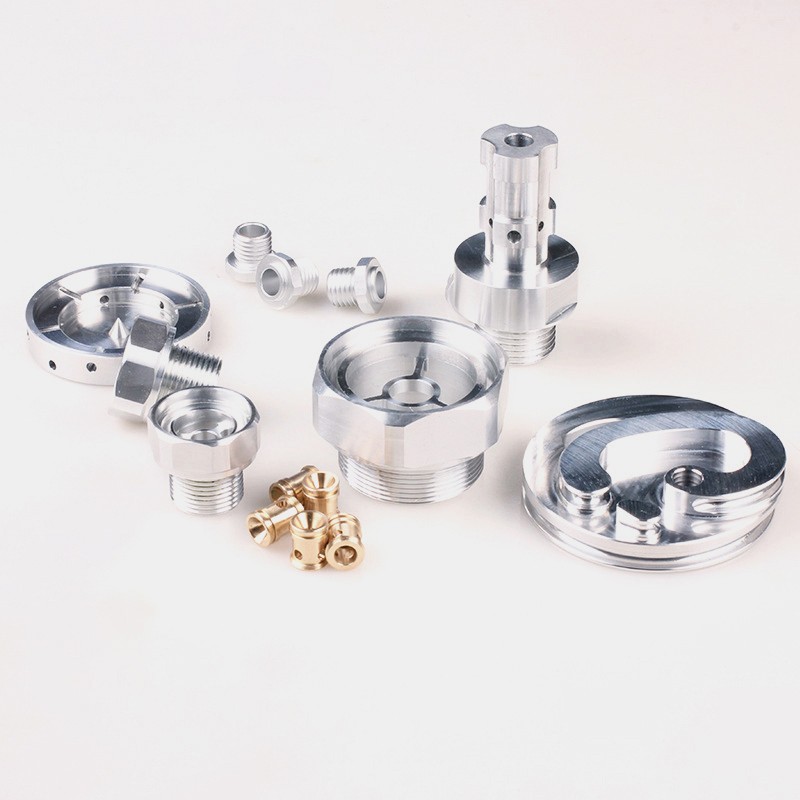
Q4: What materials can GreatLight Metal process with CNC lathes?
A: GreatLight has experience machining a diverse range of materials, including aluminum alloys, stainless steel, titanium, brass, copper, ABS, POM, PC, and mold steel. The team can advise on material selection to balance cost, durability, and manufacturability for your project.
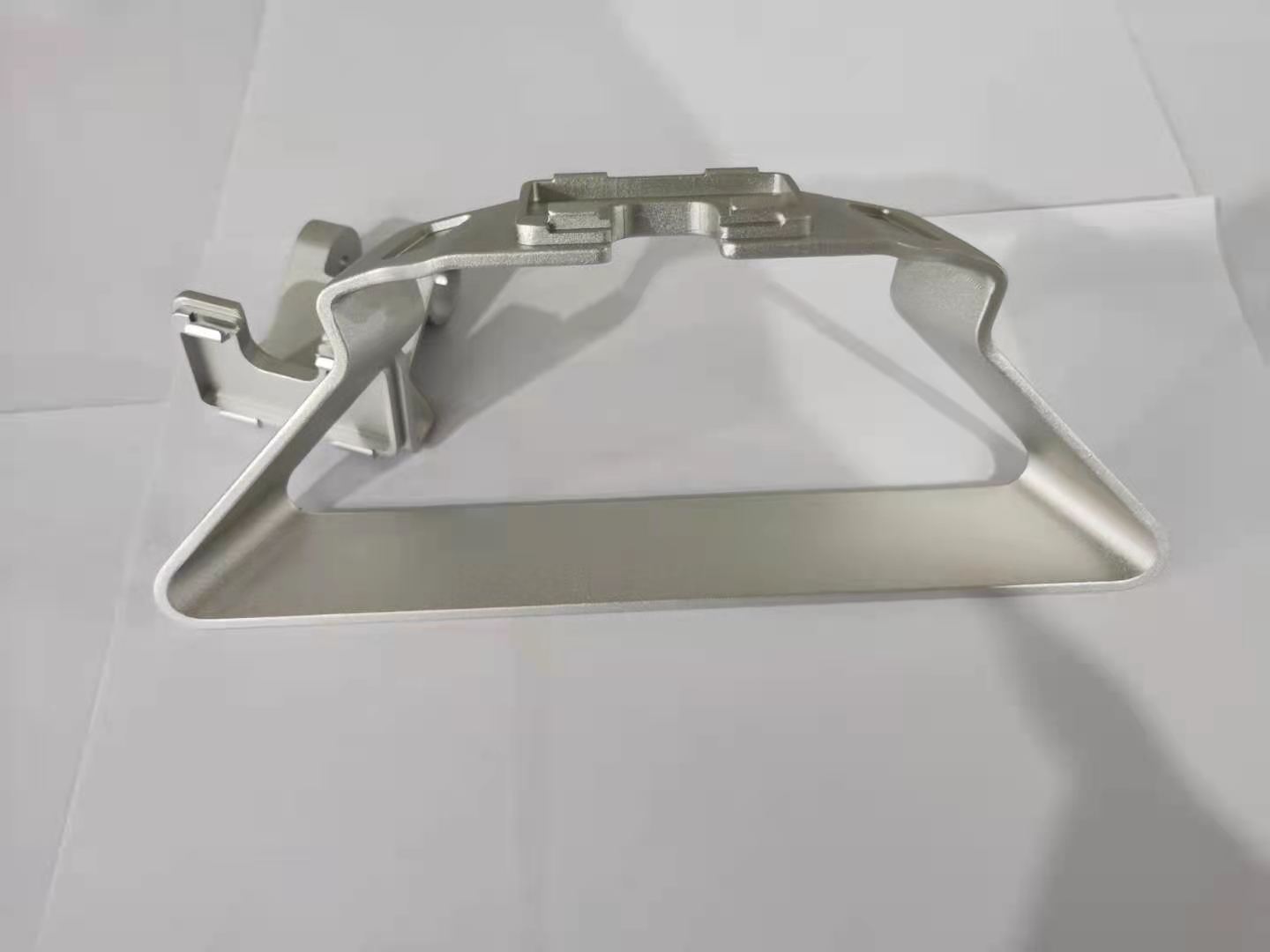
Q5: What’s the turnaround time for custom CNC lathe parts at GreatLight Metal?
A: Turnaround time depends on part complexity and volume. Prototypes or small batches (1-100 pieces) can be delivered in 3-5 days, while larger volumes may take 10-15 days. Urgent projects can be prioritized with accelerated lead times upon request.
Q6: Does GreatLight Metal offer design support for CNC lathe parts?
A: Yes. GreatLight’s engineering team provides free design for manufacturability (DFM) services to optimize your part designs for CNC lathe machining. This helps reduce production costs, improve precision, and shorten lead times by addressing potential issues before machining begins.



















