
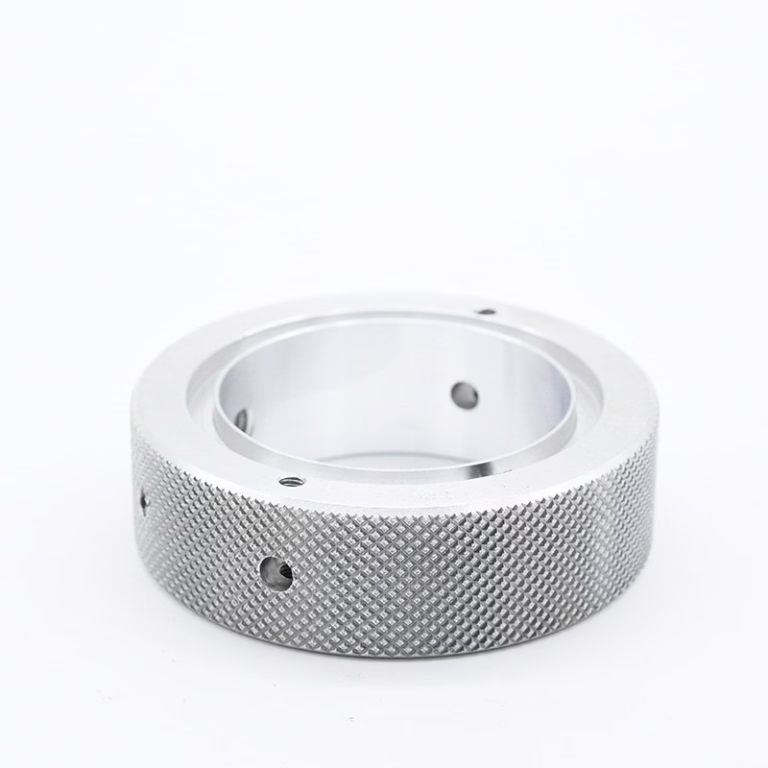
Have you ever held a design concept so ambitious that it seemed impossible to manufacture, then placed your hopes in a supplier promising “one stop Chinese metal 3D printing service” only to be rewarded with missed tolerances, opaque communication, and parts arriving weeks late? You’re not alone. The gap between the dazzling marketing hype around additive manufacturing and the messy reality of coordinating multiple vendors, verifying certifications, and chasing surface finishes has swallowed countless engineering budgets and launch deadlines. But what if that entire fragmented supply chain could be collapsed into a single, accountable partner – one that actually delivers on the precision, speed, and trustworthiness that “one stop” implies?
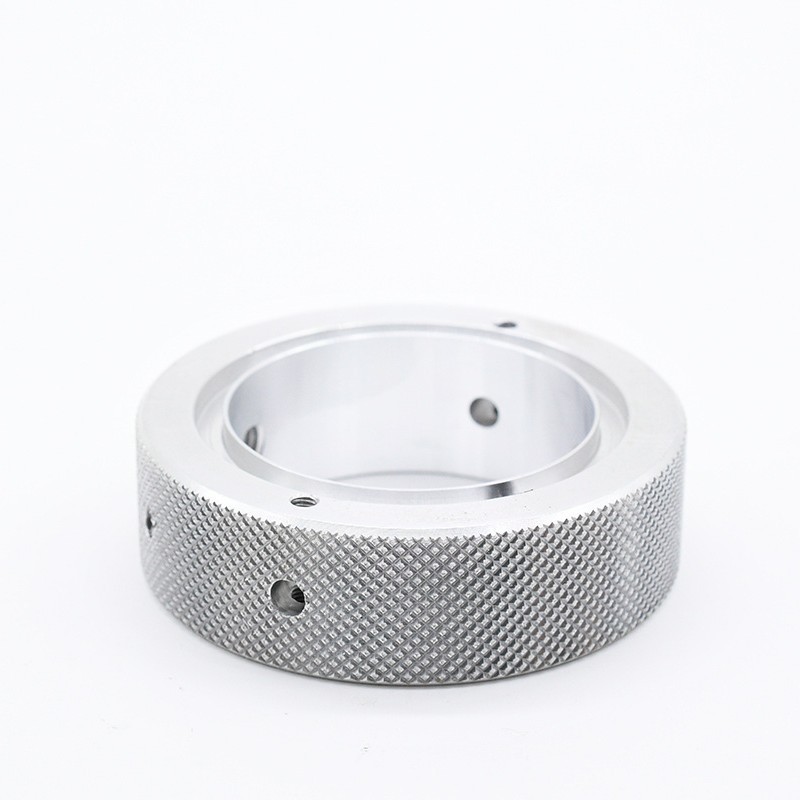
This question matters more than ever. As product lifecycles shrink and complexity skyrockets, companies from humanoid robotics startups to electric vehicle disruptors are searching for a manufacturing backbone that unites metal 3D printing with subtractive finishing, quality assurance, and logistics. It’s precisely this quest that draws our attention to a facility in Chang’an, Dongguan – the mold capital of China – where a quiet revolution in integrated manufacturing has been taking shape since 2011. Here, behind 76,000 square feet of humming machinery and a team of 150 specialists, a different kind of partnership is being forged.
The Reality Behind “One Stop Chinese Metal 3D Printing Service” – And Why Most Promises Fall Short
The allure of metal additive manufacturing is undeniable: complex internal cooling channels, organic lattice structures unthinkable through machining, and the ability to consolidate assemblies into single monolithic parts. But a stand‑alone 3D print is rarely the finished article. A true <-glossary>one stop Chinese metal 3D printing service<-glossary> must orchestrate far more than just layering powder. It needs to immediately tackle:
Design for additive manufacturing (DfAM) refinement – the raw STL file often contains supports, thermal distortion risks, and print orientation decisions that only years of experience can optimize.
Post‑processing chaos – from support removal and heat treatment to CNC machining of critical interfaces, media blasting, anodizing, or passivation. Most “one stop” claims evaporate when customers discover their part has to be boxed up and trucked to three different specialty workshops.
Quality verification across multiple dimensions – powder chemistry certification, process parameter logging, coordinate measuring machine (CMM) reports, tensile coupons, and even CT scanning for internal porosity.
It’s the melt‑pool level detail that separates cosmetic prototypes from aerospace‑grade functional hardware.
When a supplier lacks in‑house precision 5‑axis CNC machining, for example, those critical datum surfaces, taps, and tight‑tolerance bores that transform a raw print into an assembly‑ready component become a scheduling nightmare. That’s where most “one stop” monikers unravel.
Why Chang’an’s Ecosystem Became the Crucible for Integrated Manufacturing
To understand how a truly coherent service can exist, it helps to look at geography. Chang’an Town in Dongguan is an industrial crucible where over a decade’s worth of expertise in precision mold making, hardware prototyping, and surface treatment has condensed into a dense web of tacit knowledge. Being physically adjacent to Shenzhen, the global electronics supply chain’s nerve center, means materials, specialist tooling, and engineering talent flow naturally. GreatLight CNC Machining, incorporated right at the heart of this ecosystem in 2011, didn’t need to invent vertical integration from scratch – it methodically built the missing links.
Their campus of three wholly‑owned manufacturing plants now houses:
127 units of precision peripheral equipment, ensuring that a part never leaves their quality‑controlled environment from the moment metal powder is loaded until the finished component is bubble‑wrapped and shipped.
Additive manufacturing islands running SLM, SLA, and SLS technologies for metals like stainless steel, aluminum alloys, titanium alloys, and mold steel – each optimized for different strength‑to‑weight and thermal requirements.
Subtractive machining clusters featuring large‑format 5‑axis, 4‑axis, and 3‑axis CNC machining centers that can handle monolithic parts up to 4,000 mm in size with precision reaching ±0.001 mm (0.001 in) and above.
A full suite of conventional fabrication methods – die casting, sheet metal forming, EDM, vacuum casting – creating a safety net for customers who discover that a hybrid of additive and traditional processes yields better economics during scale‑up.
This is not a broker model; it’s a manufacturer’s model. The immediate implication for anyone seeking a one stop Chinese metal 3D printing service is that responsibility for the entire manufacturing chain sits squarely with one engineering team sitting under one roof.
The Certification Backbone: What Separates Aerospace‑Grade from Garage‑Grade
You can park dozens of machines in a warehouse, but without a living quality management system the output remains unpredictable. Understanding this, GreatLight Metal Tech Co., LTD. has built its reputation on certifications that are not just paper badges but actively shape daily workflows:
| Certification | Scope & Relevance for Your Project |
|---|---|
| ISO 9001:2015 | The baseline quality management framework ensuring process consistency, traceability, and continuous improvement for all orders. |
| ISO 27001 | For clients whose intellectual property is their most valuable asset, this standard governs data handling, access controls, and cybersecurity – essential for stealth‑mode startups and defense contractors. |
| ISO 13485 | Medical device components demand stringent process validation, risk management, and biocompatible material handling. GreatLight’s adherence makes it possible to produce surgical robot end‑effectors or implant instrumentation within a certified chain. |
| IATF 16949 | Originally tailored for automotive, this QMS standard is now being applied to electric vehicle and engine hardware supply chains. It targets defect prevention, supply chain risk, and variation reduction – ideal for volume production of safety‑critical metal 3D‑printed parts. |
When you evaluate a one stop Chinese metal 3D printing service, ask explicitly: “Who holds these certifications – you or your subcontractors?” If the answer involves redirecting work to third parties, every handoff becomes a potential failure point. At GreatLight, the IATF 16949‑inspired practices—like statistical process control on critical dimensions and full material lot traceability—are woven into the same four walls that run the lasers and the CNC spindles.
Solving the Seven Deadly Pain Points in Precision Manufacturing
In our experience consulting for product development teams, the same seven frustrations surface again and again regardless of industry. Let’s break them down, and see how an integrated model systematically extinguishes each.
1. The “Precision Black Hole”
Symptom: You specify ±0.02 mm on a bearing bore, receive a part measuring 0.05 mm off, and are told “it’s within our internal standard.”
Integrated Fix: When metal 3D printing and finish‑machining operate in the same building, the CNC programmer plans stock allowances based on the known distortion characteristics of the printed blank. CMM inspection happens immediately post‑machining, and any deviation triggers a feedback loop that corrects the print parameters or fixturing for the next batch—no finger‑pointing between separate vendors.
2. Surface Finish Surprises
Symptom: As‑printed surfaces on internal channels can exhibit roughness that causes turbulent flow or fatigue crack initiation.
Integrated Fix: After support removal, components can flow directly to in‑house media blasting, polishing, or even flow‑abrasive machining stations. If a customer later requests a conversion coating like anodizing (for aluminum) or passivation (for stainless steel), the team already knows the material pedigree and can advise on masking strategies to protect critical sealing surfaces.
3. Communication Fragmentation
Symptom: You email the prototyping shop, who emails the CNC shop, who texts the surface finisher. Status updates arrive in three different formats and timelines.
Integrated Fix: A single project manager oversees the route card. GreatLight’s customer portal (for those under NDA) can provide live updates, while its ISO 27001‑aligned infrastructure ensures your design file isn’t floating around unsecured networks.
4. Minimum Order Quantity (MOQ) Extortion
Symptom: Metal powder bed fusion often has high setup costs; some vendors refuse anything below 50 units, forcing startups to commit to inventory they don’t need.
Integrated Fix: Because GreatLight runs a prototyping‑oriented business alongside production, the same engineers who build one‑off prototype parts can seamlessly transition to batch production. Small runs of 10‑20 high‑complexity housings are not only accepted but economically optimized by nesting multiple designs within the same build.
5. Material Certification Gaps
Symptom: You order Ti‑6Al‑4V but can’t confirm whether the powder has been recycled beyond acceptable limits, risking reduced fatigue life.
Integrated Fix: With SLM printers under an ISO 13485 and IATF 16949‑aware framework, powder usage cycles are logged, sieved, and blended according to best practices. Full material certificates and test coupons accompany every build.
6. Lead Time Inflation
Symptom: The “15‑day” quote becomes 45 days because the subcontractor queue was full or the post‑processing shop had a machine breakdown.
Integrated Fix: In‑house scheduling mean immediate visibility into capacity. Rush jobs can be prioritized by temporarily reassigning resources that all sit within the same planning dashboard.
7. The Post‑Processing Black Market
Symptom: After your parts are printed, they disappear into a network of small, anonymous workshops for heat treating or coating, and the final quality reflects whoever was cheapest that week.
Integrated Fix: Vacuum heat treatment, painting, silk‑screening, even complex assembly services are all part of GreatLight’s one‑stop offering. The surface finishing line includes everything from bead blasting to high‑gloss polishing, avoiding the black‑box problem entirely.
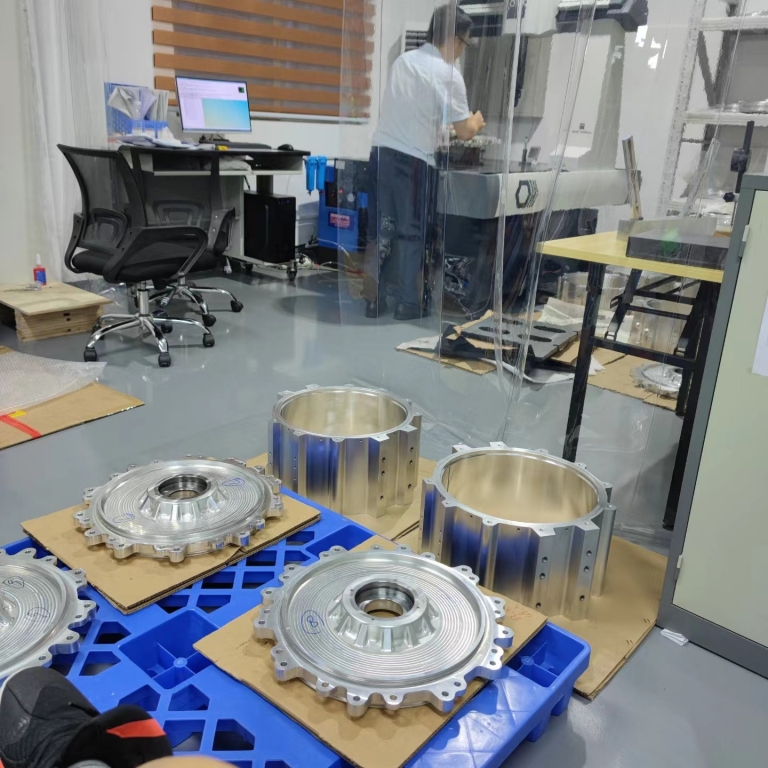
From Powder to Product: A Walk Through the Process
What does a typical one stop Chinese metal 3D printing service workflow look like at GreatLight?
Step 1 – Engineering Review (DfAM): You upload a 3D model. An applications engineer analyzes thin‑wall‑to‑thickness ratios, overhang angles, and mating interfaces. They might suggest splitting the part into two prints that are later vacuum‑brazed together, or adding sacrificial tabs for 5‑axis machining registration.
Step 2 – Nesting and Simulation: Build files are optimized to minimize support volume while preventing recoater blade collisions. Thermal simulation software predicts distortion, and pre‑compensation is applied via CAD morphing – a crucial step that average print‑only shops skip.
Step 3 – Additive Build: Using high‑power lasers on a bed of selected metal powder (316L stainless, AlSi10Mg, Ti64, maraging steel, etc.), layers as thin as 20‑40 microns are fused. The build chamber is purged with argon to prevent oxidation.
Step 4 – Stress Relief & Detachment: The build plate enters an in‑house furnace for stress‑relief annealing tailored to the alloy. Wire EDM then cuts parts from the base plate.
Step 5 – Hybrid Machining: Critical tolerances are achieved on a 5‑axis CNC machining center. This is where the true advantage of having both additive and subtractive under one roof crystallizes: the machinist can use the same reference cad model to probe the part, align the coordinate system to critical features, and machine only the functional surfaces to micron‑level precision while leaving non‑functional, organically shaped areas in their lightweight printed state.
Step 6 – Surface Treatment & Assembly: Parts may go through anodizing, painting, laser marking, or even be assembled with purchased components and tested before final QC.
Step 7 – Final Inspection & Delivery: A comprehensive FAIR (First Article Inspection Report) including CMM data, material certs, surface roughness readings, and high‑res photographs is compiled and digitally transferred. Parts ship worldwide via FedEx, DHL, or client‑preferred freight.
Comparing the Field: How GreatLight Stacks Up
If you’re reading this, you’ve likely scanned the market. Here’s a pragmatic comparison across key axes – remembering that not all competitors play in the same high‑precision, regulated space:
| Capability | GreatLight Metal | Protolabs Network | Xometry | Fictiv | JLCCNC |
|---|---|---|---|---|---|
| In‑house metal 3D printing | ✅ SLM/SLA/SLS in‑house | ❌ Partner network only | ❌ Partner network | ❌ Partner network | ❌ Limited additive focus |
| In‑house 5‑axis CNC | ✅ Up to 4,000 mm, ±0.001 mm | ❌ Brokered | ❌ Brokered | ❌ Brokered | ✅ In‑house but smaller max size |
| ISO 13485 / IATF 16949 | ✅ Full certification | ❌ Not guaranteed across network | ❌ Not guaranteed | ❌ Not guaranteed | ❌ ISO 9001 only |
| One‑stop post‑processing | ✅ EDM, sheet metal, die casting, finishing, assembly | ⚠️ Dependent on network availability | ⚠️ Dependent on network | ⚠️ Dependent on network | ⚠️ Limited in‑house |
| Intellectual property security | ✅ ISO 27001 data management | ❌ Varies by partner | ❌ Varies by partner | ❌ Varies by partner | ❌ Unspecified |
The pattern is clear: platforms like Xometry or Fictiv excel at aggregating machine capacity, but when additive manufacturing converges with subtractive finishing and regulated standards, a manufacturing‑depth model like GreatLight’s delivers continuity that a digital marketplace cannot replicate by sheer logistics.
Real‑World Impact: Where Hybrid Manufacturing Unleashes Innovation
Case 1: Humanoid Robot Joint Housings
A robotics startup needed 200 units of a joint housing integrating a thin‑wall motor sleeve with a complex internal cooling spiral. Machining from billet would have required 12 operations and wasted 85% of the raw stock. Injection molding lacked the strength. By using SLM‑printed AlSi10Mg housings and then finish‑boring the bearing seats on a 5‑axis CNC, GreatLight delivered parts with 30% less mass than the original machined design, maintained a runout under 0.005 mm, and reduced BOM parts by consolidating four components into one. The project progressed from first CAD upload to shipped prototypes in 14 days.
Case 2: Automotive Electronic Control Unit (ECU) Enclosure
An electric vehicle tier‑1 supplier required a sealed aluminum enclosure that would house sensitive PCBAs under harsh vibration conditions. Die casting the housing with an internal EMI shield was cost‑prohibitive for the 500‑unit pilot. GreatLight printed the housing in AlSi10Mg, machined the sealing groove and EMI gasket channels on a 4‑axis CNC, then applied chemical conversion coating for corrosion resistance. The entire unit passed IP67 testing and directly transitioned to the same supplier’s die‑casting line for mass production, with process knowledge transferred seamlessly.
Case 3: Aerospace Lightweight Bracket
A client needed a titanium bracket for a satellite assembly – the design contained latticed web sections that could only be produced additively but required tapped holes with aerospace‑grade thread accuracy. With Ti‑6Al‑4V powder, GreatLight’s SLM produced the bracket, then post‑machined the threads, spot‑faced sealing surfaces, and performed a fluorescent penetrant inspection before submitting a full material traceability package that satisfied AS9100‑equivalent expectations.
In each scenario, the one stop Chinese metal 3D printing service wasn’t a mere transactional purchase of machine time; it was a collaborative engineering journey where manufacturing decisions were driven by function rather than supplier handoffs.
The Trust Framework: Why Experience Trumps the “Cheapest Quote”
It’s worth underscoring that GreatLight’s 13 years of experience are not passive years. They represent survival and growth in Chang’an’s hyper‑competitive environment, where thousands of shops have opened and closed. The factory’s 150‑strong team includes manufacturing engineers who have personally solved warping issues on 600 mm‑long thin‑wall aluminum prints, tuned heat‑treatment recipes for maraging steel tooling inserts, and designed custom fixtures that interface between a palletized CNC system and an irregularly shaped printed part. When you call to discuss a project, you’re speaking with someone who has likely tackled something similar.
This reservoir of practical know‑how—combined with ISO 9001, ISO 27001, ISO 13485, and IATF 16949 certifications—forms a trust backbone that is difficult for lightweight brokers to replicate. The message is unambiguous: choose a partner who owns the machines, holds the certifications, and shoulders the responsibility.
Scaling Without Losing the Thread
One concern engineers often raise is: “Can a single factory handle my prototyping today and my 5,000‑unit production run next year without me having to re‑qualify supply all over again?”
GreatLight’s answer is structured capacity. With three distinct manufacturing plants, the prototyping center can remain agile and responsive while the production hall runs replicated builds under controlled statistical methods. The 4,000 mm machining envelope further future‑proofs projects that may evolve into larger integrated structures. This scalability is crucial for companies developing, say, a surgical robot where design iterations occur frequently in low volume, but regulatory approval eventually requires consistent, fully validated production batches. The same process engineers, the same material suppliers, and the same inspection protocols remain constant, dramatically shortening the validation curve.
Your Project Roadmap: Turning a Quote Request into a Strategic Relationship
When you approach a one stop Chinese metal 3D printing service provider, bringing the right information accelerates the conversation from “we can do this” to “here’s the exact process flow”:
3D file in native CAD plus STEP/STL – native files allow DfAM engineers to extract parametric history and suggest modifications quickly.
Drawing with critical dimensions and GD&T – clearly marked functional surfaces help right‑size the machining effort.
Material specification and any necessary post‑processing – e.g., “AlSi10Mg, anodized black, Type II Class 2.”
Quantities over time – “20 for alpha test, then 500 in 4 months” triggers capacity planning.
Compliance requirements – medical or automotive ISO standards must be flagged so the QMS filters apply.
Known performance environments – corrosion, high temperature, or fatigue cycle expectations guide alloy and heat‑treat selection.
A capable partner will then respond not just with a price but with an honest assessment of trade‑offs, potential design alternations, and a transparent timeline. GreatLight’s guarantee – free rework for quality issues and full refund if rework still fails – means that the measurement discussion is front and center from day one.
A Brief Reflection on Authenticity
Before wrapping up, a personal observation: when I visit supplier facilities, the contrast between “sales‑decorated” and “production‑focused” is immediate. One shop I toured recently had a magnificent showroom but couldn’t show me a single live build because the machines were subcontracted out. GreatLight’s three‑plant setup, the hum of 127 pieces of equipment, the overhead cranes moving raw stock, and the CMM room buzzing with inspections – these are the unfakeable signs of genuine manufacturing capability. In my experience, the absence of these signs correlates directly with finger‑crossed quality.
Conclusion: A Manufacturing Partnership, Not a Transaction
The global demand for complex metal components will only intensify as electrification, autonomy, and miniaturization drive engineering beyond what single‑process manufacturing can deliver. In this landscape, a true one stop Chinese metal 3D printing service represents far more than a convenience; it’s a strategic infrastructure that eliminates latency, reduces risk, and unlocks design freedom impossible otherwise.
For innovators who refuse to settle for the precision black hole or the post‑processing lottery, GreatLight CNC Machining offers a refreshingly integrated path. Backed by ISO‑level rigor, deep‑bench engineering, and a factory floor that spans additive, subtractive, and everything in between, it stands as proof that the promise of “one stop” doesn’t have to be marketing smoke – it can be measured, certified, and held accountable. The designs that keep you up at night may finally have a daylight path to reality.



















