
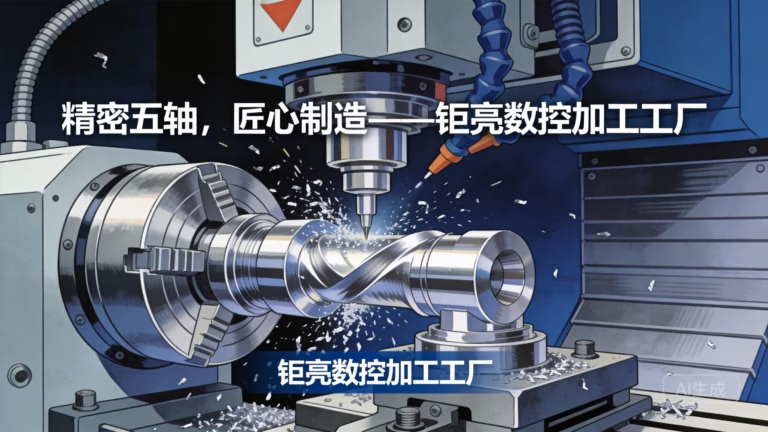
When integrating ventilation features into precision enclosures, the humble slot becomes a gateway for both airflow and manufacturing complexity. Air quality sensor enclosure vent slots must balance optimal air exchange, particle ingress protection, and structural integrity—all while meeting tight cosmetic and dimensional tolerances. For designers and procurement engineers, translating these functional demands into high-quality, machined parts often presents a multi-layered challenge, from selecting the right fabrication approach to ensuring consistent repeatability across production batches. This article unpacks the engineering considerations behind vent slots, typical manufacturing methods, and how a partner with advanced five-axis capabilities and integrated finishing can streamline the journey from design to deployment.
Air Quality Sensor Enclosure Vent Slots
The role of vent slots in air quality sensor enclosures extends far beyond simple openings. They are engineered pathways that enable the sensor element to interact with ambient air while providing a first line of defense against dust, moisture, and mechanical damage. Achieving this balance demands not only thoughtful design but also a manufacturing process that can faithfully execute narrow, elongated cuts with precise positioning, clean edge quality, and minimal burrs. Whether the enclosure is machined from solid aluminum, fabricated from sheet metal, or produced through a combination of processes, the vent slots are often the most scrutinized feature, directly impacting sensor performance and product longevity.
Design Fundamentals for Effective Ventilation Slots
Before a single chip is cut, design decisions determine both the functionality and manufacturability of vent slots. Several key parameters interplay:
Slot Geometry: Width, length, and spacing all influence airflow volume and pressure drop. Slots that are too narrow may restrict sensor response time, while excessively wide openings compromise protection. A typical slot width for consumer-grade sensors might range from 1.5 mm to 3 mm, with spacing optimized to maintain a sufficient open-area ratio—often between 20% and 40% of the enclosure face—without weakening the structure.
Orientation and Pattern: Linear slots, staggered arrays, or curved profiles each offer distinct airflow dynamics. Computational fluid dynamics (CFD) simulation frequently guides these choices, especially when enclosures must perform in environments with directed airflow or turbulent conditions.
Edge Treatment: Sharp edges from machining can create local stress risers and may cut internal wiring or gasket materials. A small radius or deburring step is critical. For parts that will be anodized or powder coated, edge quality also affects coating adhesion and visual appearance.
Draft Angles and Undercuts: In die-cast or injection-molded enclosures, vent slots must incorporate draft to permit mold release. When machining is the preferred route, straight walls are easily achieved, but deep, narrow slots may require specialized tooling.
These design elements interact with the chosen material. For outdoor air quality monitors, 6061-T6 aluminum is a popular choice due to its corrosion resistance, machinability, and lightweight properties. Stainless steel 304 or 316 is specified for chemically aggressive or washdown environments. Engineering plastics like POM or PC/ABS may suffice for indoor devices but often introduce additional challenges in holding tight tolerances during machining.
Manufacturing Pathways: From Single Prototype to Production Runs
Multiple technologies can produce enclosures with integrated vent slots, each with inherent trade-offs.
| Method | Advantages | Limitations |
|---|---|---|
| CNC Machining (3-/4-/5-axis) | Excellent dimensional accuracy, surface finish, and material versatility; ideal for aluminum, stainless, brass, and plastics. No tooling investment for prototypes. | Unit cost for very high volumes may be higher than casting or stamping; cycle time depends on slot density and complexity. |
| Sheet Metal Fabrication | Cost-effective for simple linear slots in thin materials; rapid turret punching or laser cutting. | Limited to flat patterns or bent enclosures; edge quality may require secondary deburring; not suited for thick sections or complex 3D slot profiles. |
| Die Casting + Machining | Highly repeatable for mass production; can achieve complex external shapes; integrated features like bosses and ribs. | Upfront tooling cost and lead time; draft angles mandatory; post-casting machining often needed to clean up slot tolerances. |
| Additive Manufacturing (SLM/SLS) | Enables conformal vent geometries and lightweight lattice structures not possible with subtractive methods. | Surface finish and material density may require post-processing; limited build size; cost per part often higher for metal AM. |
For many product developers, CNC machining offers the fastest, most flexible path from prototype to pre-production. A single block of aluminum can be transformed into a finished enclosure with precisely milled slots, mounting features, and mating surfaces, all within hours. This agility is especially valuable during iterative sensor testing, where slot geometry might need rapid modification to optimize airflow.
The Precision Challenge: Why Many Shops Struggle with Vent Slots
At first glance, cutting a series of slots appears straightforward. However, several pitfalls can quickly degrade quality and increase cost:
Tool Deflection and Breakage: A small-diameter end mill (often 1 mm to 2 mm) must plunge into the workpiece and trace each slot. Without optimal toolpath strategies, tool vibration and deflection cause inconsistent slot width and poor surface finish. For slots with an aspect ratio (depth/width) greater than 2:1, tool selection and peck milling cycles become critical.
Burr Formation: The thin walls between slots are prone to burrs, especially when milling ductile materials like aluminum. Manual deburring adds labor and risks damaging the slot edge profile. A high-quality machine and appropriate tooling can minimize burrs in-process, reducing downstream work.
Heat Management: The repetitive cutting action can generate significant heat, potentially warping thin sections or altering material properties near the slots. Effective coolant delivery and chip evacuation are non-negotiable.
Dimensional Consistency Across an Array: Even a slight shift in workholding or tool wear can cause progressive slot width variation across a grid. For enclosures that must interface with a gasket or PCB mounting grid, this inconsistency can lead to assembly issues.
Cosmetic Requirements: Visible vent slots are often a design element. Surface scratches, chatter marks, or inconsistent edge breaks are unacceptable in consumer-facing products.
Addressing these challenges requires not just a capable machine but also deep process engineering knowledge. This is where choosing the right manufacturing partner becomes a strategic decision.
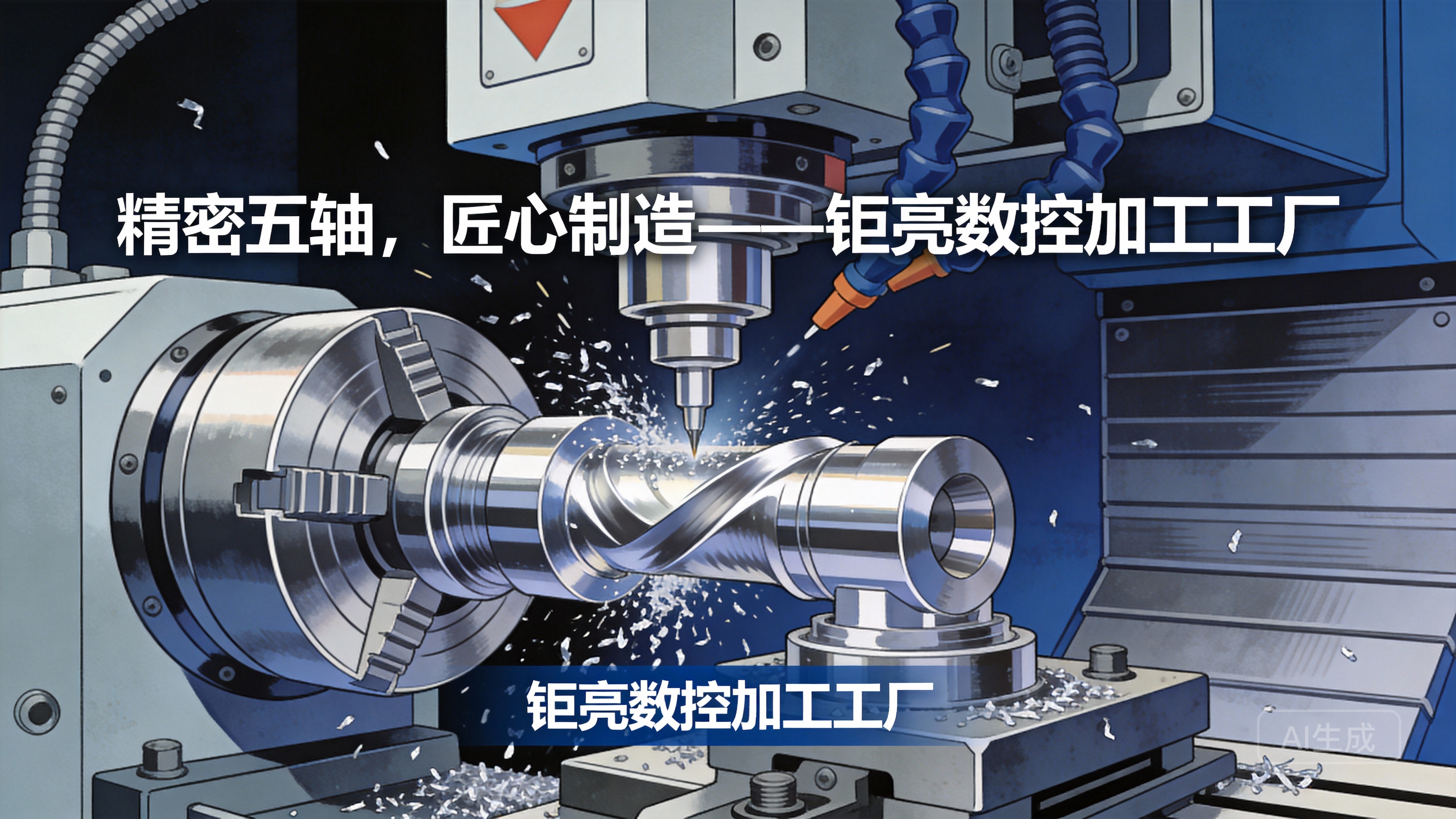
GreatLight CNC Machining Factory: Engineered Solutions for Sensor Enclosures
When projects demand repeatable precision and a full-service approach, precision five-axis CNC machining proves transformative. GreatLight CNC Machining Factory, headquartered in Dongguan’s Chang’an hardware hub, has spent over a decade refining the production of complex, close-tolerance parts. With a 76,000 sq. ft. facility housing 127 units of precision peripheral equipment—including advanced five-axis, four-axis, and three-axis CNC machining centers—the company is uniquely positioned to handle vent slot manufacturing across the full product lifecycle.
Five-Axis Advantage for Vent Slots
A five-axis machining center can tilt the cutting tool or the workpiece, allowing access to angled vent slots or curved enclosure profiles that would require multiple setups on a three-axis machine. This reduces handling errors and ensures that slot features maintain their positional relationship with other part datums. For enclosures where slots wrap around a corner or intersect with a contoured surface, five-axis simultaneous machining can produce smooth, blended geometries that are impossible with conventional indexing.
Process Control from Prototype to Production
GreatLight’s approach begins with design for manufacturability (DFM) feedback. Before machining, their engineering team reviews slot geometry, material choice, and finish requirements, suggesting adjustments to reduce tooling costs or improve yield. High-precision equipment capable of achieving tolerances of ±0.001 mm (0.001 inch) and above is paired with in-house measurement and testing instruments, ensuring that every slot width, spacing, and edge condition conforms to specification. The factory’s ISO 9001:2015 certification provides a systematic quality framework, while additional credentials such as ISO 13485 for medical hardware and IATF 16949 for automotive components demonstrate the robustness of their quality management system—a vital assurance for sensor manufacturers operating in regulated markets.
Material and Finishing Integration
GreatLight’s one-stop model covers more than just machining. For an air quality sensor enclosure, the raw machined part might need anodizing (aluminum), passivation (stainless steel), or conductive coating to meet shielding requirements. With in-house post-processing services including bead blasting, chemical etching, painting, and laser marking, the factory eliminates the friction of managing multiple suppliers. Customers receive a complete, assembly-ready enclosure that already incorporates vent slots, threaded inserts, and any required surface treatment.
Consider a typical project: a startup developing an indoor air quality monitor selects 6061-T6 aluminum for its enclosure. The front face requires an array of 1.8 mm wide, 12 mm long slots with 0.8 mm spacing, arranged in a curved pattern that follows the enclosure’s radiused edge. GreatLight’s five-axis mills execute the slots in one clamping, holding a consistent width across 150 slots without burrs. After machining, the enclosure receives a bead-blasted surface followed by black anodizing, with the vent slot edges remaining sharp but clean. The total lead time from file upload to delivery of machined and finished prototypes is under seven business days. For scaling, GreatLight can transition the project to a blend of CNC machining and die casting if volumes warrant, offering tooling development and first-article inspection as part of their integrated services.
How GreatLight Compares to Other Manufacturing Partners
The market for custom machined parts is crowded, with providers ranging from online quotation platforms to specialized high-precision shops. When evaluating suppliers for sensor enclosure vent slots, several factors differentiate GreatLight from notable competitors like Protocase, Xometry, RapidDirect, and Fictiv:
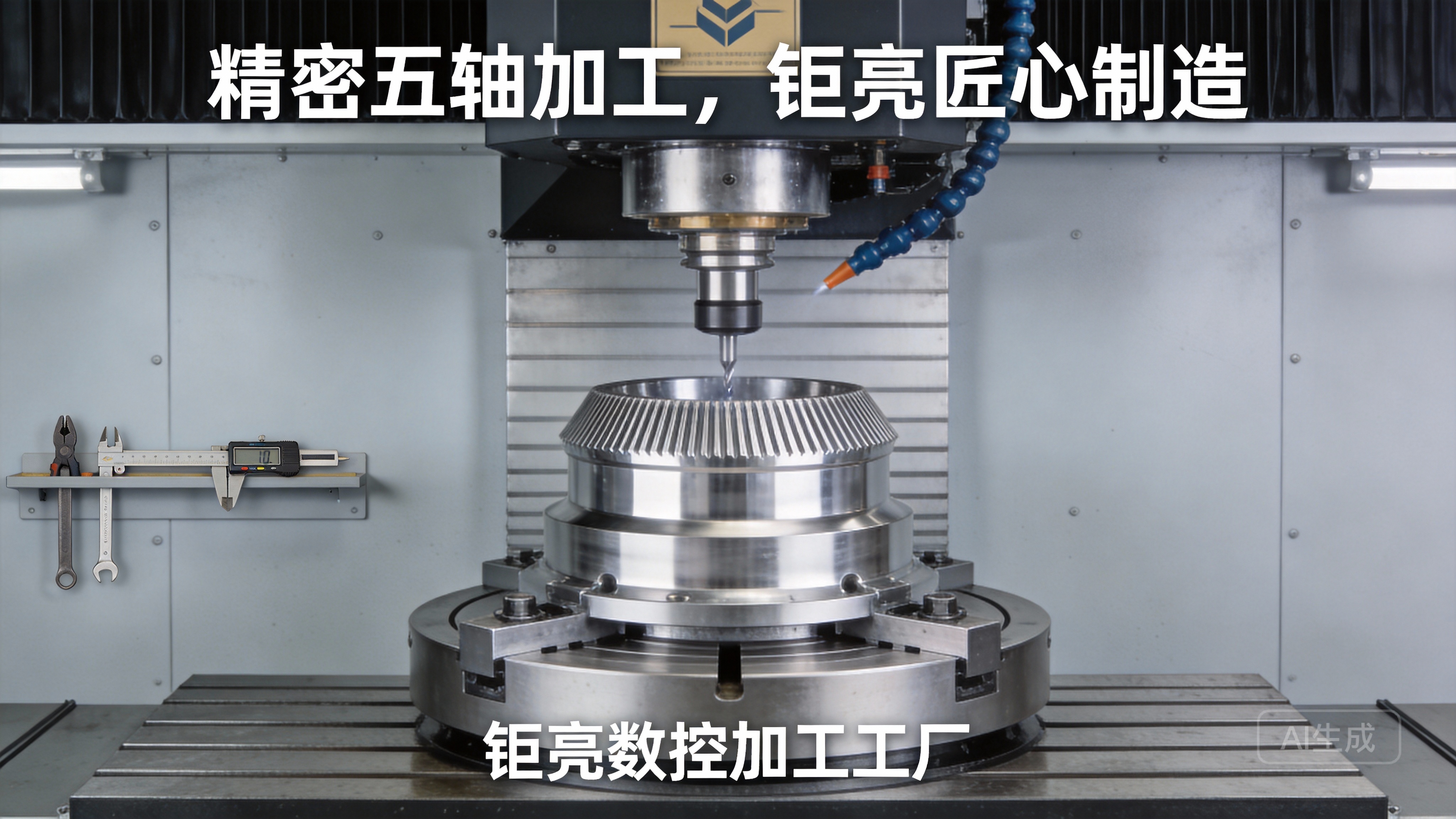
Technical Depth and Equipment Focus: While many platforms aggregate a network of third-party shops, GreatLight operates its own advanced manufacturing facilities, maintaining direct control over quality and scheduling. This vertical integration is critical for complex features like vent slots, where process repeatability hinges on a tightly calibrated machine fleet.
Full-Process Capability: Competitors often focus exclusively on CNC machining or sheet metal, whereas GreatLight offers die casting, injection molding tooling, 3D printing (SLM, SLA, SLS), and post-finishing under one roof. For an enclosure project, this means the slot-machining aspect can be optimized alongside the broader manufacturing strategy without handoffs.
Engineered Support: With a team of process engineers and a track record across aerospace, medical, and automotive sectors, GreatLight provides substantive DFM guidance. This contrasts with purely transactional services where design feedback may be limited to automated checks.
Quality Certifications: Holding ISO 9001, ISO 13485, and IATF 16949 certifications places GreatLight in a tier of suppliers prepared for rigorous audit processes—a requirement increasingly common among sensor manufacturers supplying OEM or government clients.
Cost vs. Value: Online platforms may offer lower initial quotes, but hidden costs from scrap, delayed deliveries, or secondary finishing can erode savings. GreatLight’s transparent, all-in-one pricing for machined and finished parts ensures that the budget for vent slot enclosures is predictable and competitive.
For instance, a medical sensor company needing a stainless steel enclosure with laser-cut vent slots and electropolishing might find that vendor networks struggle with the combined requirements of tight tolerances and biocompatibility. GreatLight’s certified manufacturing system, paired with a full set of in-house finishing processes, delivers a conforming part without the risk of quality gaps between suppliers.
Practical Guidelines for Your Next Vent Slot Enclosure Project
Drawing on lessons from hundreds of projects, here are actionable steps to achieve the best outcome when machining air quality sensor enclosures:
Define Functional Requirements Clearly: Specify the required opening area, preferred slot pattern, and any ingress protection ratings (IP5X, IP65, etc.). Share CFD results if available.
Select Materials with Machinability in Mind: If using aluminum, 6061 is a safe, well-proven choice. For stainless steel, 303 offers better machinability than 304, though 316L is preferred for marine or chemical exposure. Discuss alternatives with your manufacturer if machinability threatens slot quality.
Involve Your Machining Partner Early: Submit CAD models at the concept stage. A skilled DFM review can identify potential issues—such as slots too close to the part edge, unsupported thin walls, or tool access limitations—before design freeze.
Leverage In-House Finishing: If the enclosure requires aesthetic coatings, confirm that the supplier can handle the entire process internally. This not only reduces lead time but ensures that slot edges and internal faces are properly prepared before finishing.
Plan for Gasketing and Assembly: Vent slots often work in tandem with an internal filter or hydrophobic membrane. Designate a flat, smooth mounting surface adjacent to the slot array to ensure a reliable adhesive bond or compression seal.
Looking Forward: The Role of Smart Manufacturing in Slot Machining
The precision machining of vent features continues to evolve, driven by advancements in toolpath algorithms, in-process measurement, and machine tool design. GreatLight stays at the forefront by investing in high-speed five-axis centers and adopt adaptive clearance strategies that adjust cutting parameters in real time based on tool wear or material inconsistencies. This smart manufacturing approach not only safeguards slot accuracy but also extends tool life and reduces energy consumption. For air quality sensor manufacturers, these incremental improvements translate into lower per-part costs and faster time-to-market.
From the initial design sketch to the final anodized part, air quality sensor enclosure vent slots demand a manufacturing partner that understands both the science of airflow and the art of precision machining. When the slots that let air in are also the ones that define a product’s reliability and look, there is simply no room for compromise. By aligning with an experienced, vertically integrated supplier that combines cutting-edge five-axis technology with a rigorous quality backbone, design teams can transform a challenging feature into a competitive advantage. GreatLight CNC Machining factory stands ready to deliver that blend of precision engineering and full-process support, ensuring your sensor enclosures breathe exactly as designed.



















