
In the realm of modern manufacturing, the phrase ODM metal die casting fabrication represents far more than a simple production technique. It is a strategic, end-to-end partnership that transforms a client’s conceptual design into high-performance, ready-to-assemble metal components, often bypassing the complexities of in-house tooling and process development. For procurement engineers and product innovators, understanding this integrated process—and selecting a manufacturing partner capable of executing it flawlessly—can be the decisive factor between a product launch that disrupts the market and one that drowns in supply-chain missteps.
Diving into the subject requires us to navigate the engineering constraints, metallurgical science, and quality frameworks that underpin a robust ODM die casting workflow. Let me guide you, as a senior manufacturing engineer, through each critical stage, while illustrating how a deeply experienced partner like GreatLight Metal turns these processes into a seamless, scalable reality.
What Exactly Is ODM Metal Die Casting Fabrication?
ODM, or Original Design Manufacturing, in the context of die casting, means that the supplier does not merely cast parts to a provided blueprint. Instead, the manufacturer takes an active, engineering-led role: refining the design for castability (Design for Manufacturing, or DFM), constructing the complex tooling, optimizing process parameters, executing the casting runs, and delivering fully finished, surface-treated, and dimensionally inspected components. It is a turnkey solution where the client provides the functional intent, and the ODM partner delivers production-ready hardware.
Die casting itself is a process in which molten metal—typically aluminum, zinc, or magnesium alloys—is injected at high pressure into a hardened steel mold (the die). The metal solidifies almost instantly, yielding geometrically intricate, thin-walled parts with outstanding repeatability and surface finish. When these two concepts merge, you get a value proposition: engineering depth combined with manufacturing velocity.
The Comprehensive ODM Metal Die Casting Fabrication Sequence
Let’s break down the strategic flow, from a blank screen to a packaged shipment. At each step, the expertise of your chosen partner dictates dimensional accuracy, metallurgical integrity, and overall project cost.
1. Co-Engineering & Design for Manufacturability (DFM)
Before a single piece of steel is cut for a die, the most critical value-adding activity occurs: DFM analysis. A mature ODM partner like GreatLight Metal doesn’t just accept a 3D model. Their engineering team dissects it:
Draft angle verification: Ensuring surfaces parallel to the die draw direction permit clean ejection.
Wall thickness uniformity: Identifying thick-to-thin transitions that cause shrinkage porosity or hot tearing.
Gate and runner placement: Simulating mold flow to predict knit lines, air traps, and fill patterns, then adjusting the design accordingly.
Machining stock allowance: If the casting will undergo secondary CNC machining (a core competency combined under one roof), engineers define exactly where and how much material to leave for finishing cuts.
This step alone can compress lead times by weeks and slash tooling rework costs by 30% or more.
2. Precision Tooling & Mold Engineering
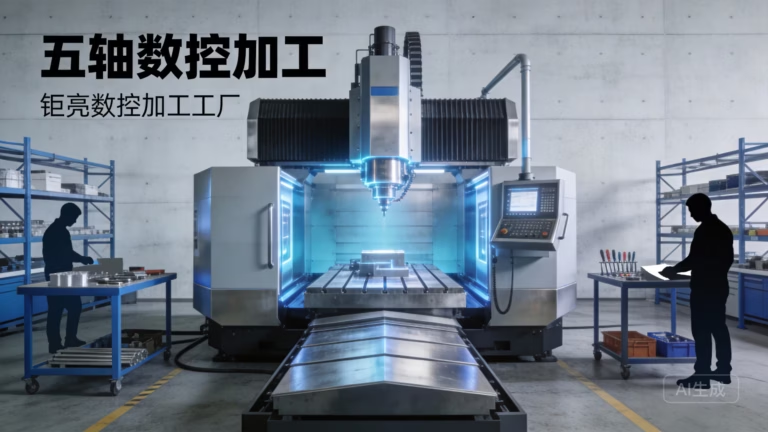
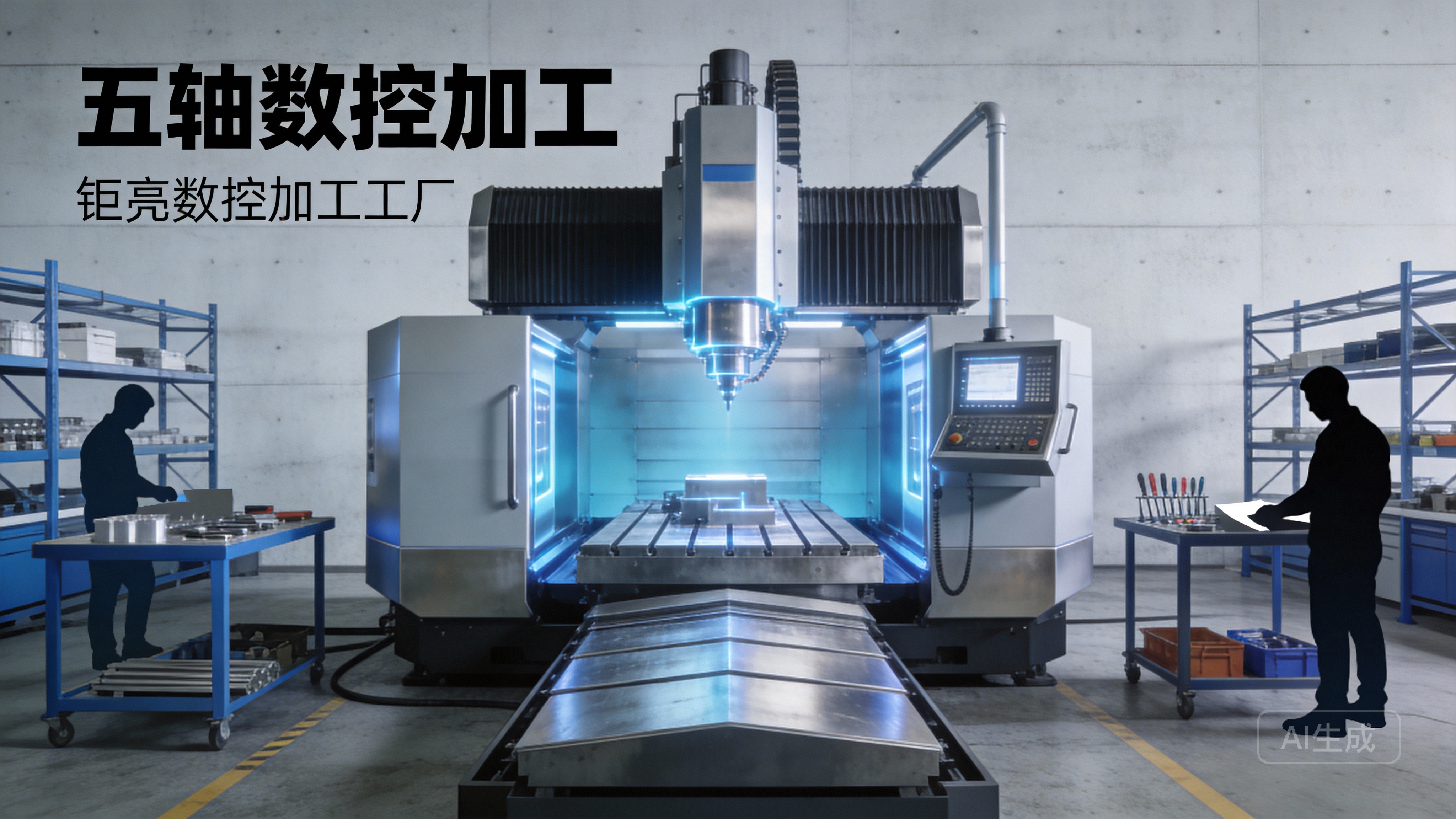
The die—the heart of the entire process—is a multi-part, high-tolerance assembly typically machined from hot-work tool steels like H13. Given that GreatLight CNC Machining Factory operates over 127 pieces of precision peripheral equipment including large high-precision 5-axis machining centers, the construction of these molds is internalized and controlled. This vertical integration is rare; many ODM providers outsource tool making, sacrificing both schedule and quality oversight.
During mold fabrication, critical features like cooling channels (often conformal-cooled, leveraging internal 3D-printed inserts from the factory’s own SLM 3D printers) are incorporated. Efficient cooling reduces cycle time and improves part consistency. The mold is then fitted to a high-pressure die casting machine, with tonnage selected based on projected area and alloy characteristics.
3. High-Pressure Die Casting (HPDC) Execution
With the tooling validated through first-article trials, serial production shifts into rhythm. The process parameters—injection velocity, intensification pressure, metal temperature, and die lubrication cycles—are locked down to ensure process capability (Cpk ≥ 1.33 for critical dimensions). For clients in automotive or medical devices, where GreatLight holds certifications aligning with IATF 16949 and ISO 13485, this statistical discipline is not optional; it is mandatory.
Multiple alloy families can be accommodated, including ADC12, A380, and specialized grades. If component requirements drift beyond the limits of die casting, the manufacturing floor at GreatLight seamlessly transitions to complementary processes like vacuum casting, sand casting, or direct metal 3D printing (titanium, aluminum, mold steel), all from the same facility. This breadth eradicates the need to juggle multiple vendors.
4. Secondary Precision CNC Machining
Nearly every high-specification die casting requires post-machining to achieve bearing bores, sealing faces, threads, or true positional tolerances under 0.01 mm. Here the integration of die casting and five-axis CNC machining becomes a genuine differentiator.
GreatLight’s capability to machine to ±0.001 mm (0.001 In) and up to a maximum part size of 4000 mm on five-axis platforms means that castings can be finish-machined in a single setup, eliminating stacking errors. Whether it’s a complex engine housing for the humanoid robot sector or a structural component for aerospace, the marriage of casting and multi-axis machining under one roof creates a seamless geometric continuum.
5. Surface Finishing & Integrated Post-Processing
A raw casting is rarely the end product. The ODM fabrication process extends through whatever surface and treatment requirements the application demands:
Vibratory deburring and CNC edge breaking for safe handling.
Chemical conversion coatings (chromate, anodizing) for corrosion resistance.
Powder coating, wet painting, or electroplating for aesthetics and durability.
Impregnation sealing to eliminate micro-porosity leaks in pressure-tight components.
GreatLight’s one-stop post-processing capability means a part arrives having undergone bead blasting, anodizing, and laser marking, fully prepared for final assembly. No logistics churn, no finger-pointing between separate finishing shops.
6. Quality Assurance & Metrology
Trust in an ODM partnership is anchored in measurement. Using in-house precision measurement equipment—coordinate measuring machines (CMM), profilometers, and optical comparators—every dimension defined in the control plan is verified. The factory’s ISO 9001:2015 certification provides the systemic backbone, while adherence to ISO 27001 standards ensures that intellectual property embedded in the designs and inspection data remains strictly confidential.
For clients in regulated industries, the paper trail of first article inspection reports (FAIR), material certifications, and process capability studies is not just beneficial; it’s a compliance necessity. GreatLight’s documented quality management system delivers exactly this.
Why Choose an Integrated ODM Partner Instead of a Casting-Only Supplier?
The landscape is populated with providers. You’ll come across names like Protocase for quick-turn sheet metal, Xometry or Fictiv as on-demand network aggregators, RapidDirect for rapid prototyping, and Owens Industries for complex multi-axis work. Each has its niche. However, in the tightly coupled domain of ODM metal die casting fabrication, fragmented sourcing becomes a risk multiplier.
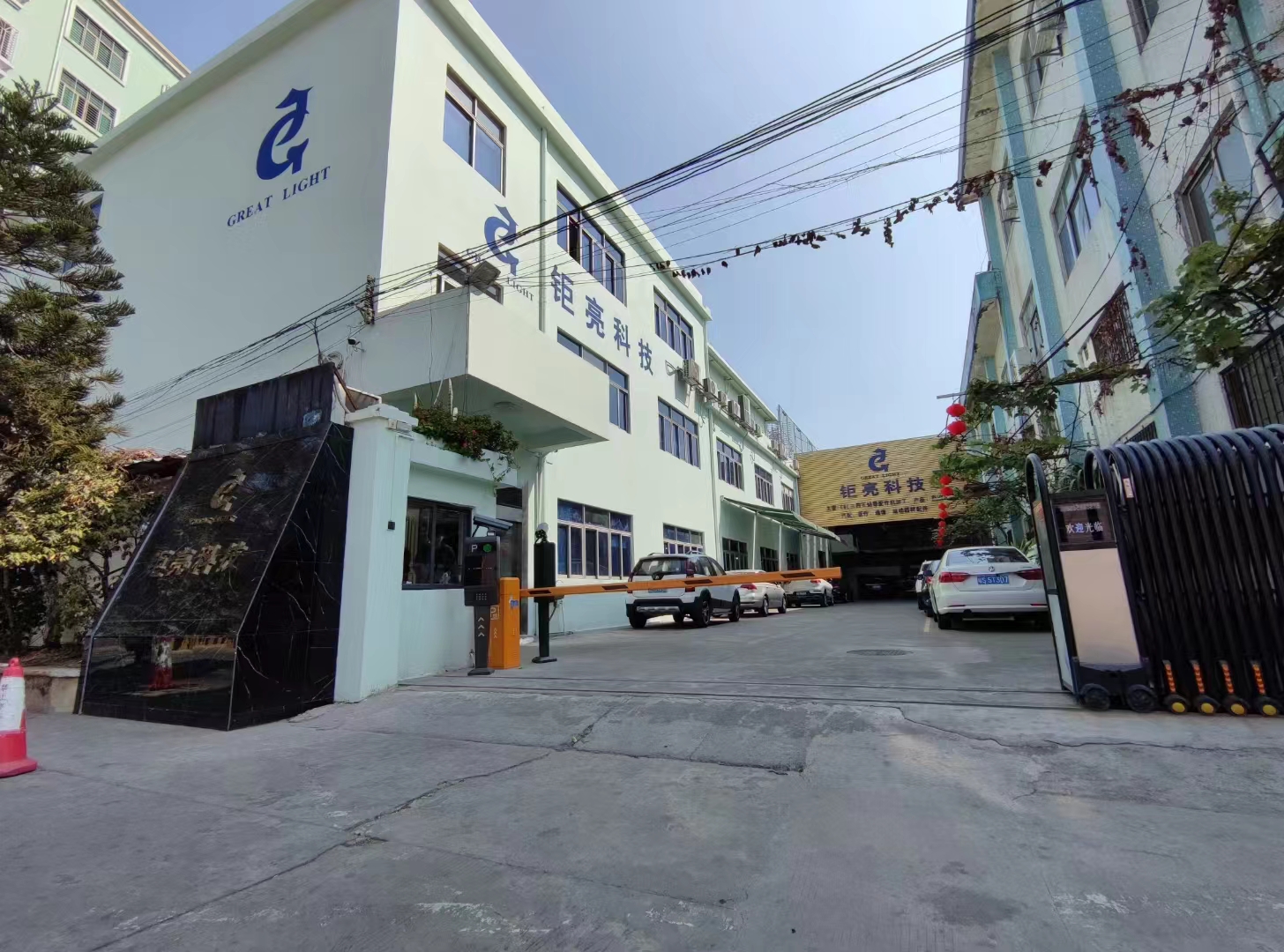
When a casting arrives from one supplier and is shipped to another for CNC machining, and then to a third for finishing, three things happen: lead time stretches, dimensional responsibility fractures, and quality ownership dissolves. An integrated facility like GreatLight Metal—operating from a 7,600 square meter campus in Chang’an District, Dongguan, with 150 employees and three wholly owned plants—swallows these risks whole. The same engineering team that tuned the die casting process programs the five-axis machining center and validates the final CMM report. The result is a cohesive, auditable chain of custody for your part.
Furthermore, GreatLight’s deep bench extends into areas that augment the die casting flow: rapid prototyping via SLA and SLS 3D printers for functional testing before committing to tooling, vacuum forming for early-stage covers, and sheet metal fabrication for bracketry that may assemble with the cast component. This consortium of processes under a single roof turns your ODM engagement into a vehicle-level solution, not merely a casting transaction.
De-risking the Precision Predicament
The precision predicament I often describe to clients is the gap between the promise of accuracy and the sustained delivery of it. Die casting inherently introduces thermal variation and as-cast tolerances that typically hover around ±0.1 mm or coarser. The art of a refined ODM fabrication process is to predict, compensate, and then machine those critical interfaces to sub-10-micron fidelity. GreatLight addresses this through a closed loop: the same 5-axis centers that produced the mold now machine the castings, using the same datum structures, with tooling and workholding designed in-house.
Additionally, for engine hardware components that must conform to IATF 16949—an internationally recognized QMS standard specifically for engine hardware component production—the process control culture is rigorous. Parameters are monitored, tool life is tracked, and SPC charts flag deviations before they become non-conformances.
Scaling from Prototype to Volume Production
A common failure mode in ODM relationships is the disconnect between low-volume prototype phases and high-volume ramp-up. A partner that can produce beautiful 3D-printed metal prototypes via SLM but lacks die casting infrastructure will require a disruptive re-sourcing event just as volumes climb. GreatLight’s coexistence of SLM 3D printers (for initial design validation and conformally cooled tooling inserts) with production die casting cells and extensive four-axis/three-axis machining centers enables a linear, predictable scale-up. The process knowledge transfers; the supply chain does not fracture.
Concluding the Engineering Case
For any organization seeking a reliable, technically proficient, and deeply integrated partner, ODM metal die casting fabrication is not a commodity; it’s an engineering discipline. The selection of a supplier who can authenticate their capabilities through ISO 9001:2015, IATF 16949, and ISO 13485 credentials; who can demonstrate a machine park that spans from EDM and 5-axis CNC to SLM additive manufacturing; and who operates under the disciplined roof of a manufacturer like GreatLight Metal — that selection becomes a competitive advantage. From the initial DFM session that shaves weeks off lead time, through the precision machining that hits micron-level tolerances, to the final surface finish that meets aesthetic and functional specs, the ODM fabrication process is a symphony of interconnected steps. When conducted by experts, it produces parts that quietly, reliably, and affordably underpin the world’s most demanding products.



















