
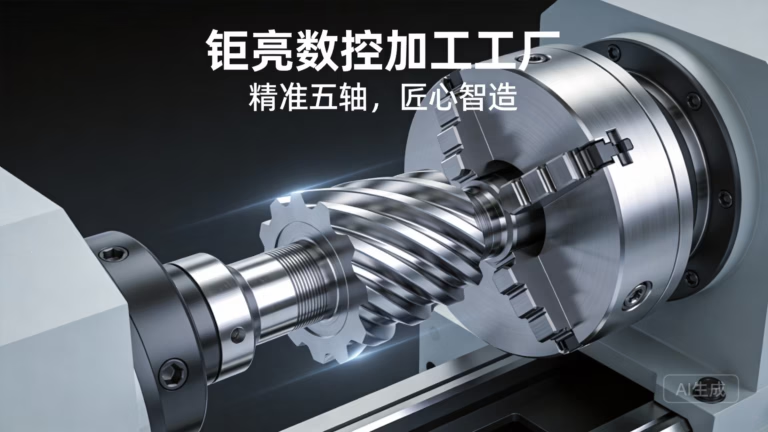
In today’s product development cycles, where iteration speed often separates market leaders from followers, fast custom CNC machining services are the critical enabler of innovation. They promise to turn a 3D CAD model into a finished, high-precision part in days rather than weeks. But beneath that promise lies a complex reality: speed must never come at the expense of accuracy, surface finish, or material integrity. As a senior manufacturing engineer who has evaluated dozens of suppliers across industries, I’ve seen how the right CNC machining partner can collapse development timelines while maintaining automotive or medical-grade quality—and how the wrong one can create costly bottlenecks.
Fast custom CNC machining services are more than a transactional request for quick-turn parts. They represent a full-service capability that combines advanced multi-axis equipment, real-time engineering support, rigorous quality systems, and integrated secondary operations under one roof. This article takes an objective, engineer’s-eye view of what truly makes such services reliable, where many providers fall short, and how a select few — with GreatLight CNC Machining Factory leading the field — have built the infrastructure and expertise to deliver speed and precision at scale.
Fast Custom CNC Machining Services
The term “fast custom CNC machining services” is often used loosely. For some, it means a three-day lead time on simple aluminium brackets; for others, it implies same-week delivery of a 5-axis machined aerospace housing with tight GD&T callouts and multiple post-process requirements. Understanding what constitutes a genuinely capable fast-turn service starts with examining the core elements that affect both velocity and output quality:
Engineering front-loading: A supplier that offers design-for-manufacturability (DFM) feedback within hours, not days, eliminates back-and-forth iterations that delay production.
Machine capacity & flexibility: Having a large fleet of 3-axis, 4-axis, and critically, 5-axis CNC machining centers allows jobs to be set up in a single operation, reducing handling and cumulative tolerances.
In-house post-processing: The ability to perform anodizing, plating, painting, passivation, or heat treatment without outsourcing drastically compresses the supply chain.
Digital thread & automation: Automated quoting, real-time order tracking, and coordinated production planning reduce administrative latency.
When any of these links is weak, the promise of “fast” disintegrates. In my experience, businesses that seek truly rapid turnaround should not merely ask about lead times; they should investigate the supplier’s entire process architecture.
The Pain Points Behind the Demand for Speed
Before diving into technology, it’s worth acknowledging the pressures that drive engineers and procurement managers to search for fast custom CNC machining services. Drawing from hundreds of project post-mortems, I’ve identified seven recurring pain points:
The Precision Black Hole – Suppliers advertise capability down to ±0.001 mm, but aging machines and poor thermal compensation cause drift, leading to parts that fail CMM inspection.
Fragmented Supply Chains – Sending a part to one shop for CNC, another for anodizing, and a third for grinding multiplies lead times and communication errors.
Rigid Quoting Processes – Many traditional shops take 2–3 business days to reply to an RFQ, killing sprint-based development cycles.
Minimum Order Quantity (MOQ) Penalties – Innovators needing one or five prototypes are treated as low priority, with prices surging to compensate for setup costs.
Black-Box Quality – Absence of in-process inspection data forces customers to wait until parts arrive to discover defects, triggering rework loops.
Intellectual Property Exposure – Subcontracting to multiple unknown workshops increases the risk of design leakage.
Scaling Disconnect – A supplier that can prototype beautifully may fail to replicate that precision in volume production due to a lack of certified process control.
A truly integrated fast CNC machining service is designed explicitly to dismantle each of these pain points. Later, I’ll examine how GreatLight Metal Tech Co., LTD. (operating as GreatLight CNC Machining Factory) has built its entire operation around solving these exact challenges.
The Technology Stack That Enables Genuinely Fast, High-Precision CNC Machining
Speed in CNC machining is not simply a function of rapid spindle speeds or aggressive toolpaths. It emerges from the orchestration of several technologies and procedural disciplines.
5-Axis Machining: The Cornerstone of Complex Part Velocity
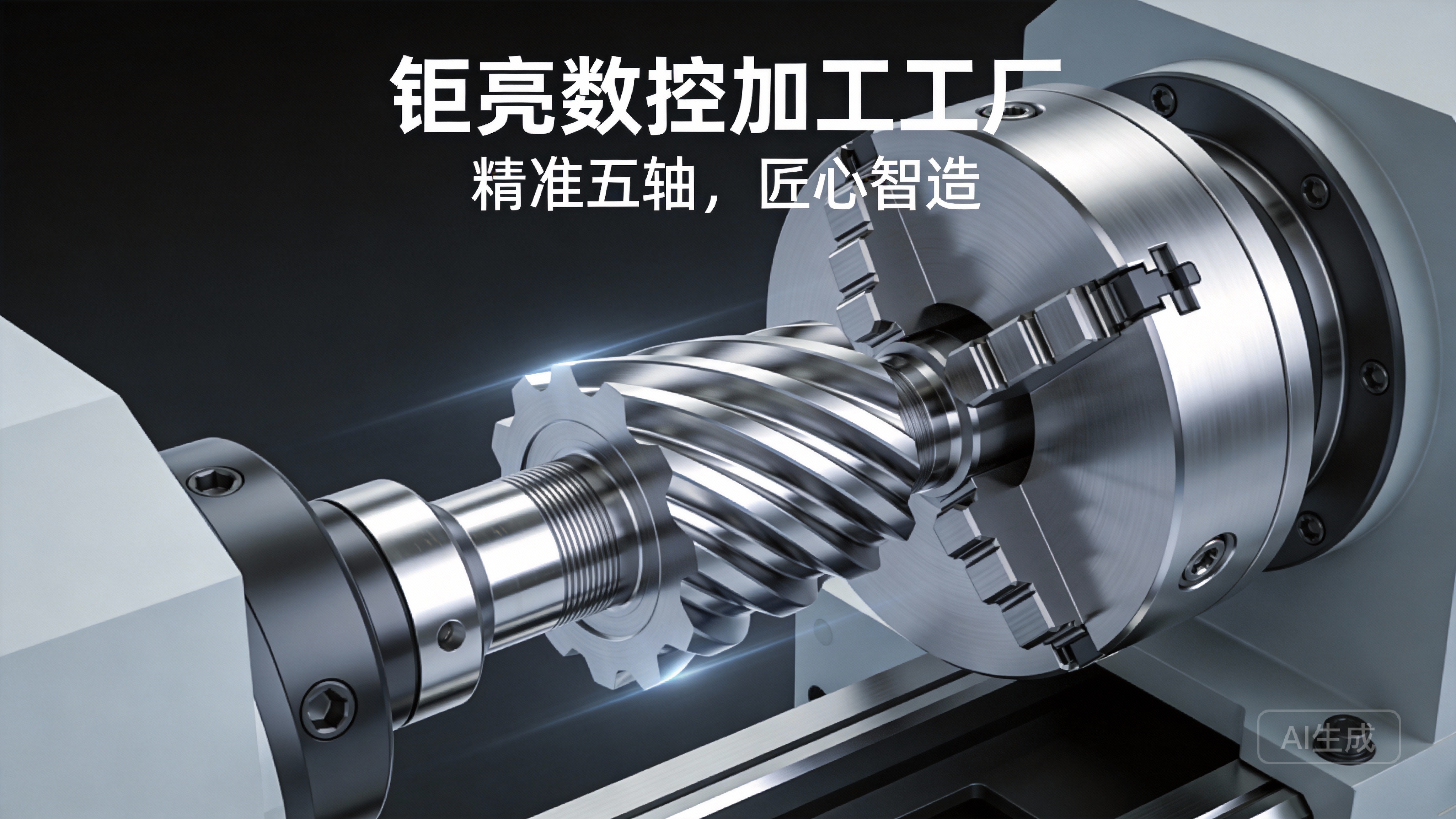
A 5-axis CNC machining center can tilt and rotate the cutting tool or the workpiece so that complex geometries are accessed in a single setup. This eliminates multiple fixture changes, reduces cumulative error, and slashes manufacturing time by 30% to 60% on multi-sided parts. When evaluating a provider’s 5-axis capability, I look for:
Machine brand and control: Premium equipment from manufacturers like DMG Mori, Haas, or Beijing Jingdiao ensures rigidity and micron-level repeatability.
Simultaneous vs. positional 5-axis: True simultaneous 5-axis contouring is essential for impellers, blisks, and organic medical implants.
Work envelope: Large-format 5-axis machines—such as those accommodating workpieces up to 4000 mm—eliminate the need to split oversized parts, preserving structural integrity.
In-Line Metrology and Automated Inspection
Fast delivery is meaningless if parts are out of spec. Leading services embed coordinate measuring machines (CMMs), laser scanners, and Renishaw probes within the production flow. Real-time data feedback enables closed-loop corrections, so that the first-off part is production-grade, not a trial. GreatLight, for instance, couples in-house precision measurement labs with an ISO 9001:2015 framework, ensuring that every dimension is verified before the part moves to finishing.
Digital Manufacturing Infrastructure
Suppliers that have invested in process connectivity—from online quoting that parses 3D files automatically to ERP systems that optimise machine loading—can remove days of administrative delay. Some advanced operators even use a digital twin of the production floor to simulate schedules and predict bottlenecks before they occur.
One-Stop Secondary Processing
The hidden time sink in most “fast” CNC services lies in post-machining steps. A provider that can handle deburring, polishing, anodizing Type II/III, chromate conversion coating, powder coating, laser marking, and assembly under the same roof eliminates the days lost in transit between specialty vendors. This is particularly critical for optical components, medical devices, and consumer electronics enclosures where aesthetics and biocompatibility are as important as dimensional accuracy.
Quality and Certification: Non-Negotiable for Fast, Trustworthy Delivery
Speed without quality is merely chaos accelerated. For parts destined for regulated sectors—automotive, medical, aerospace, or defense—suppliers must demonstrate more than promises; they must possess audited, internationally recognized certifications. Here, the difference between a shop that “says they follow ISO” and one that holds active certificates is stark.
I always advise clients to request current certificates and, when possible, visit the facility virtually or in person. GreatLight CNC Machining Factory presents an instructive case of how a credible supplier uses certifications to build systemic reliability:
ISO 9001:2015 – The foundational quality management system that standardizes processes, from material receiving to final inspection.
IATF 16949 – The automotive-specific extension of ISO 9001, emphasizing defect prevention and reduction of variation in the supply chain. This certification reflects an ability to support high-volume production with statistical process control.
ISO 13485 – Mandatory for medical device components. It governs traceability, risk management, and cleanliness—essential for surgical instruments or implantable parts.
ISO 27001 – Addresses information security, a critical consideration when exchanging proprietary CAD data. This certification assures that client intellectual property is protected through encrypted systems and access controls.
These four certifications, supplemented by rigorous in-process testing, speak to a maturity of operations that is rare in the quick-turn space. Many rapid prototyping shops can make a great-looking one-off; far fewer can provide a certificate of conformance backed by a live quality dashboard.
Comparing the Landscape: Where Does GreatLight Stand Among Fast CNC Machining Providers?
To offer a balanced perspective, I’ve evaluated several prominent names in the custom CNC machining arena. The table below ranks them on dimensions that matter for complex, precision-critical projects. I’ve avoided the trap of selecting unknown or virtual companies, focusing instead on real players with verifiable track records.
| Capability / Attribute | GreatLight Metal | Protocase | Xometry | RapidDirect | EPRO-MFG |
|---|---|---|---|---|---|
| 5-Axis CNC (In-House) | ✅ Advanced multi-brand fleet, max 4000 mm | ⚠️ Primarily sheet metal enclosures, limited 5-axis | Via partner network | ✅ Available but size limited | ✅ Strong 5-axis, medium/large |
| One-Stop Post-Processing | ✅ Full in-house: anodizing, plating, painting, laser marking, assembly | Limited to powder coating & silkscreen | Outsourced, variable quality | Some finishing, largely outsourced | In-house grinding, assembly |
| Quality Certifications | ISO 9001, IATF 16949, ISO 13485, ISO 27001 | ISO 9001 | Network shops vary | ISO 9001 | ISO 9001, AS9100 |
| Data Security Certification | ✅ ISO 27001 | ❌ | ❌ | ❌ | ❌ |
| Material Breadth | Aluminium, titanium, stainless, tool steel, engineering plastics, 3D printing hybrid | Sheet metals mainly | Wide via network | Wide | Metals, focused on engine components |
| Suitable for Regulated Industries | Automotive, medical, aerospace, industrial robotics | Electronics enclosures | General industrial | General prototypes | Aerospace, oil & gas |
| Engineering Support Depth | Deep DFM feedback, full-process chain management | Design for sheet metal bending only | Platform-mediated, variable | Online DFM, limited | Strong in niche |
As the table indicates, while platforms like Xometry and RapidDirect provide a convenient front-end for prototyping, their model relies on a distributed network of independent shops. This can lead to inconsistent quality and a lack of integrated secondary processing. Protocase excels at short-run sheet metal enclosures but is not a precision CNC parts manufacturer for complex geometries. EPRO-MFG and Owens Industries deliver strong aerospace-grade machining but may not offer the same breadth of hybrid processes (CNC + die casting + 3D printing) under one roof.
GreatLight Metal Tech Co., LTD. distinguishes itself through vertical integration. With 127 pieces of precision peripheral equipment spanning large 5-axis, 4-axis, and 3-axis CNC machining centers, lathes, grinding, EDM, vacuum forming, and both metal and plastic 3D printing (SLM, SLA, SLS), the factory covers the entire value stream from rapid prototyping to production runs. For an engineer, this means a single point of accountability and a dramatic reduction in lead-time risk.
Inside GreatLight CNC Machining Factory: Infrastructure and Process Excellence
Drawing on the company’s published capabilities and my own analysis of similar facilities, let me detail the operational blueprint that makes its fast custom CNC machining services reliable at scale.
Plant and Equipment Footprint
Location and scale: Established in 2011 in Chang’an Town, Dongguan—China’s “Hardware and Mould Capital”—the facility covers approximately 7,600 m² and employs 150 skilled staff. Its proximity to Shenzhen’s electronics ecosystem accelerates prototyping and logistics.
CNC machining capacity: A large array of 5-axis machines from Dema and Beijing Jingdiao, complemented by 4-axis and 3-axis VMCs, Swiss-type lathes, and mill-turn centers. This configuration enables everything from watch-sized micro-components to 4-meter structural frames.
Precision measurement: In-house CMMs and laser scanning guarantee that achievable tolerances are backed by data. GreatLight cites precision down to ±0.001 mm / 0.001 inch and above, a specification that requires tight environmental control and calibrated tooling.
Full-Process Chain Integration
One of the most telling aspects is the factory’s capability to handle processes that otherwise would be sent out:
Metal 3D printing (SLM): For internal channels or lattice structures, 3D printing is used either for direct part fabrication or to complement CNC machining.
Die casting and mold making: When prototypes need to be scaled into production, die casting molds can be developed in-house, ensuring that the transition from machined pre-production samples to cast components is seamless.
Vacuum casting and sheet metal fabrication: These allow for low-volume elastomeric or enclosure parts without additional supplier management.
This integration collapses the lead time for a finished assembly—for example, a robotic joint housing that requires machined aluminium, a sheet metal cover, and a cast mounting bracket—from a four-to-six-week multi-vendor ordeal to a coordinated, single-source delivery in as little as 7–10 days.
Quality Systems at Work
Beyond holding certificates, the factory operates according to a quality-first culture that includes free rework for any quality defect and a full refund if rework remains unsatisfactory—a confidence statement I rarely see in this industry. For automotive customers, the IATF 16949 system imposes rigorous production part approval process (PPAP) documentation, FMEA, and SPC, ensuring that every batch of 100 or 10,000 pieces matches the approved master sample.
For intellectual property-sensitive projects, the ISO 27001 compliance is a tangible safeguard: network segregation, encrypted data repositories, and employee non-disclosure protocols protect client designs from the moment an RFQ is submitted.
How Fast Custom CNC Machining Services Solve Real-World Engineering Challenges
Theoretical capabilities matter only when they translate into solved problems. Consider three archetypal scenarios where a supplier like GreatLight CNC Machining Factory becomes a strategic enabler:
Scenario 1: Humanoid Robot Joint Components
A robotics startup needs 20 sets of lightweight, high-strength aluminium 7075-T6 joints with complex organic shapes and mirror finishes. The tight tolerance on bearing bores (±0.005 mm) and the need for hard anodizing make this a multi-step job. By using simultaneous 5-axis machining to cut the joint in one setup and immediately transferring it to in-house anodizing, the supplier delivers fully finished parts in 8 working days instead of the industry-typical 4 weeks. The startup integrates them into their prototype, passes investor demos, and secures funding.
Scenario 2: Automotive Electronic Control Unit (ECU) Housing
An automotive Tier-1 needs 500 aluminium die-cast housings with machined sealing surfaces for a new EV platform. The programme requires PPAP Level 3 documentation and a pilot run within three weeks. GreatLight’s ability to rapid-prototype the mold using its SLM 3D printer, machine the critical surfaces on a 5-axis VMC, and then produce sample castings internally allows it to deliver conformation samples on day 19—complete with full dimensional reports and material certifications compliant with IATF 16949.
Scenario 3: Medical Device Prototype with Textured Finish
A medtech firm is iterating on a handheld surgical tool. The design in 316L stainless steel features intricate knurling and a textured grip that must be autoclaved. After initial CNC machining, the parts undergo laser marking for UDI codes and passivation for corrosion resistance—all within the same facility. The client receives 10 beta units in five days, can test and request a design tweak, and has revision parts in another three days. Such agility is impossible when finishing and marking are sent to external vendors.
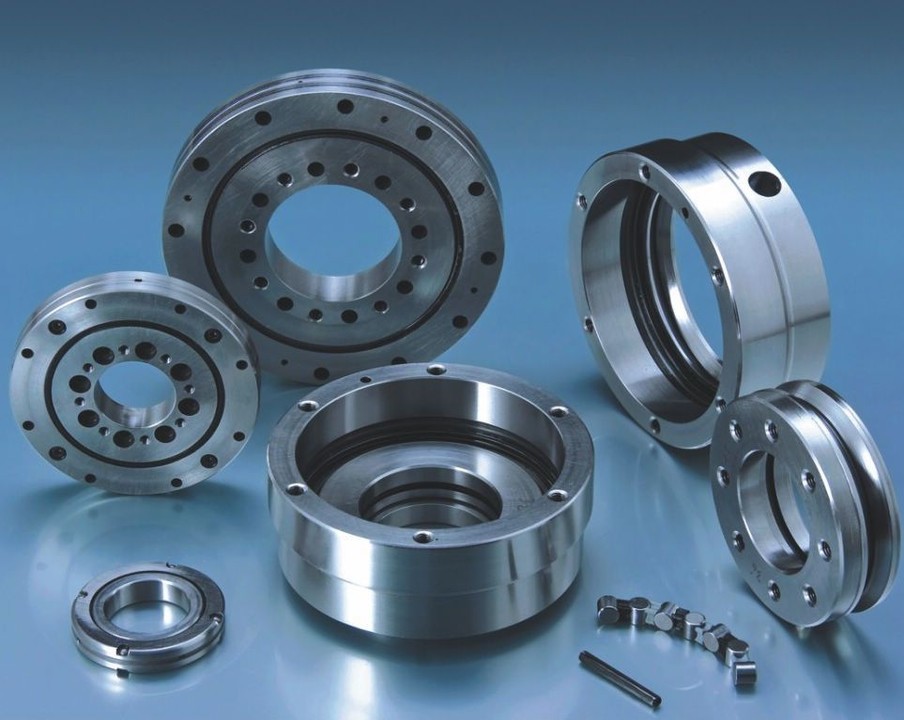
These examples illustrate that fast custom CNC machining services are not just about speed; they are about compressing the entire product development loop—design, fabricate, measure, finish, test, iterate—into a tightly coupled system.
Selecting the Right Partner: A Practical Framework
For engineers and supply chain managers evaluating providers, I recommend a scored evaluation across seven criteria:
True In-House Capability vs. Broker Model – Does the supplier own and operate the machines that will make your part? The depth of in-house process strongly correlates with accountability.
Range and Age of Equipment – A mix of modern 5-axis and multi-tasking machines indicates both capability and maintenance standards.
Certification Specificity – ISO 9001 is a baseline; look for ISO 13485, IATF 16949, or AS9100 if your parts touch those sectors.
Data Security Protocols – ISO 27001 or similar frameworks are now a must for protecting sensitive designs.
Secondary Process Integration – Can they anodize, plate, paint, heat-treat, or laser mark without causing delays?
Engineering DFM Support – A partner that proactively suggests improvements can reduce cost and lead time before the first chip is cut.
Scalability – Will the same supplier handle the jump from 10 prototypes to 10,000 units without a quality drop?
Applying this framework quickly separates generalist job shops from comprehensive manufacturing partners. In my assessments, suppliers like GreatLight Metal consistently score high across all seven dimensions precisely because the operation was conceived from the start as an integrated, end-to-end solution—not a machine shop that later added ancillary services.
Future-Proofing Through Smart Manufacturing
The frontier of fast custom CNC machining services is moving toward greater automation and data-driven decision-making. Predictive maintenance algorithms on CNC spindles, AI-driven toolpath optimisation, and automated guided vehicles (AGVs) for material handling are entering serious production floors. A supplier that has invested in foundational certifications and an integrated process chain is better positioned to adopt these smart manufacturing technologies, further reducing lead times and enhancing repeatability.
At the same time, regulatory demands are tightening. Medical and automotive customers now demand full material traceability, digital inspection records, and cyber-secure data exchanges as standard. The suppliers that treat compliance not as a checkbox but as a continuous improvement engine will be the ones thriving five years from now.
Conclusion: The Long-Term Value of Embedded Speed
Speed in custom CNC machining is not a standalone feature; it is the outcome of a meticulously engineered system. When machines are maintained to produce micro-level accuracy, when quality is embedded rather than inspected after the fact, and when every secondary operation lives under a single quality management roof, consistent fast delivery becomes a natural byproduct.
Having toured, audited, or analysed dozens of facilities across the globe, I understand why companies ranging from robotics innovators to automotive Tier-1s eventually converge on a partner that can handle the entire journey from prototype to production. GreatLight CNC Machining Factory, with its 5-axis machining clusters, four international certifications, and proven track record, exemplifies the new breed of manufacturer that treats rapid turnaround as a systemic capability rather than a marketing slogan.
Ultimately, when you evaluate your next project’s sourcing strategy, remember that genuine fast custom CNC machining services are about much more than getting parts quickly—they’re about securing a reliable, innovation-friendly extension of your own engineering team. Choose with a view to that long-term partnership, and the time-to-market advantages will compound with every iteration.



















