
When engineering an electric car inverter enclosure sheet metal component, precision and reliability are non-negotiable. The inverter—responsible for converting DC battery power to AC for the drive motor—generates significant heat, is exposed to vibration and environmental contaminants, and must suppress electromagnetic interference. The metal housing that protects this sensitive electronics package is far more than a simple box; it’s a carefully engineered subsystem that directly impacts vehicle safety, performance, and compliance with automotive standards. This article dives deep into the material science, design, manufacturing processes, and sourcing strategies behind electric car inverter enclosures, providing a comprehensive guide for R&D engineers, procurement managers, and quality professionals.
Understanding the Role of the Inverter Enclosure in EVs
The traction inverter sits at the heart of the electric powertrain. Its enclosure must simultaneously serve as:
A structural housing that withstands shock, vibration, and crash loads.
A thermal management interface, efficiently dissipating heat from IGBT or SiC power modules.
An electromagnetic compatibility (EMC) shield to prevent interference with other vehicle electronics.
A sealed environment that protects internal circuitry from moisture, dust, and chemical ingress.
Sheet metal enclosures have become the predominant choice for many EV inverter designs due to their lightweight potential, design flexibility, cost-effectiveness in mid-to-high volumes, and excellent shielding properties. However, achieving a fully functional enclosure requires seamless integration of precision CNC machining for mounting bosses, threads, and connector flanges—often produced from the same or complementary materials. This is where a supplier capable of both high‑quality sheet metal fabrication and advanced precision five-axis CNC machining brings decisive advantages.
Electric Car Inverter Enclosure Sheet Metal: Material Selection and Trade-offs
Material choice is the foundation of enclosure performance. The three most common base metals are aluminum, steel, and sometimes magnesium.
Aluminum Alloys (5052, 6061, 5754)
Aluminum dominates EV inverter enclosure design because of its:
High thermal conductivity (∼120–180 W/m·K), which aids passive cooling.
Low density (2.7 g/cm³), critical for extending vehicle range.
Natural corrosion resistance, especially when anodized or coated.
Good EMI shielding effectiveness when thickness is adequate.
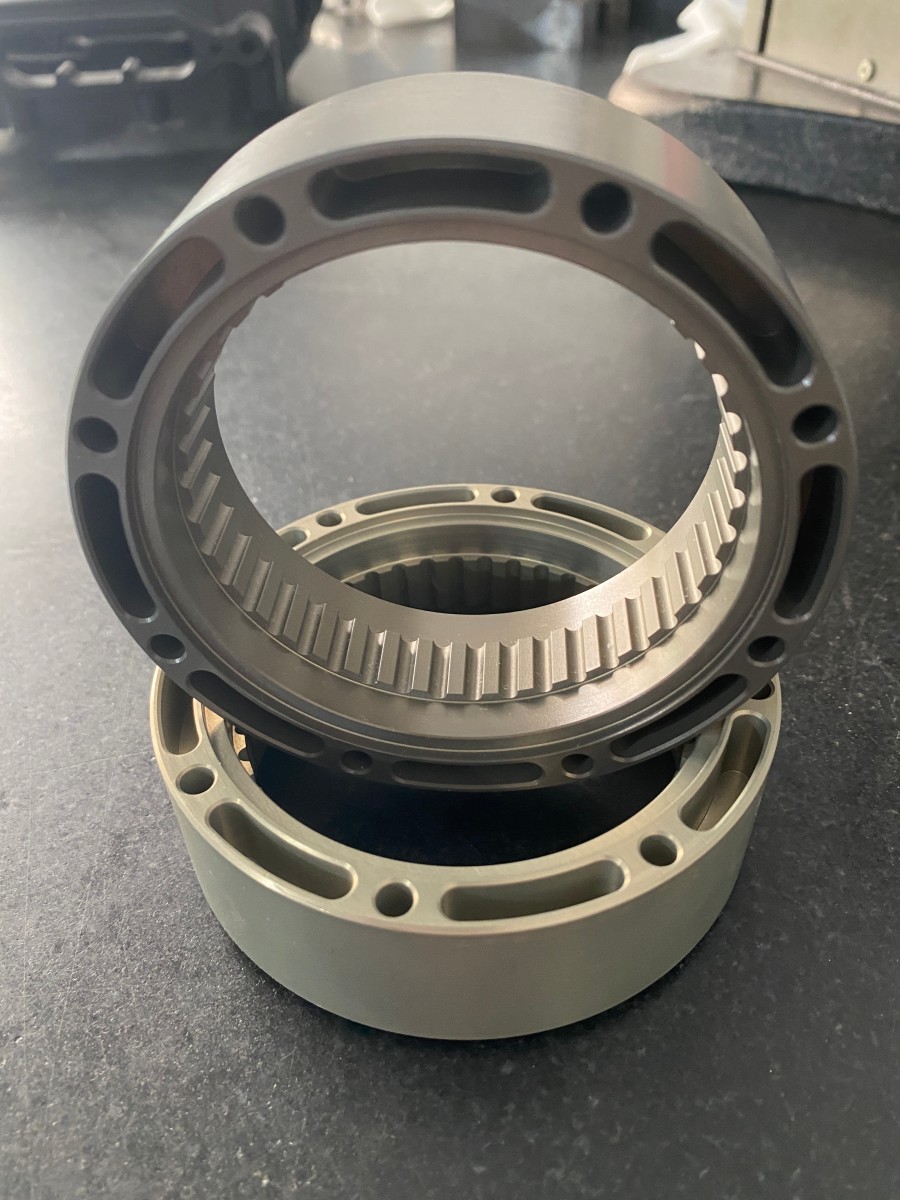
6061‑T6 offers high strength-to-weight ratio and is readily available for CNC‑machined components such as flanges, brackets, and liquid‑cooling plates integrated into the enclosure. 5052‑H32 is favored for deep‑drawn shapes and complex sheet metal bends due to its excellent formability and weldability.
Steel Alloys (Cold‑Rolled Steel, Galvanized Steel, Stainless Steel)
Steel is chosen when:
Higher mechanical strength or impact resistance is required.
Magnetic shielding demands ferromagnetic material properties.
Cost is a primary driver for less weight‑sensitive applications.
Stainless steel (304 or 316L) provides superior corrosion resistance for under‑hood environments, but its lower thermal conductivity and higher density often relegate it to brackets and fasteners rather than the main enclosure body in performance‑oriented EVs.
Magnesium Alloys
Magnesium offers even lower density (1.74 g/cm³) and comparable EMI shielding, but its susceptibility to corrosion, higher material cost, and flammability concerns during machining limit its use to specialized die‑cast enclosures. Sheet metal magnesium remains uncommon. For most OEMs and Tier 1 suppliers, aluminum strikes the best balance.
Material selection is closely tied to manufacturing process. A well‑integrated shop like GreatLight Metal can advise on the optimal alloy based on forming complexity, required surface treatments, and thermal simulation results.
Critical Design Considerations for Sheet Metal Enclosures
Thermal Management
Inverter power modules can exceed 150°C, making heat extraction paramount. Sheet metal enclosures often incorporate a water‑ethylene glycol cooled base plate—a flat CNC‑machined aluminum plate with internal channels and a stainless‑steel cover laser‑welded to the sheet metal shell. The enclosure design must allow tight flatness (often ≤0.1 mm) and good surface contact between the base plate and the power module. Any warping during welding or forming can create insulating air gaps and thermal runaway. Therefore, controlled welding sequences, stress‑relieving, and post‑machining are essential. Five‑axis CNC machining is used to produce the cooling channels, O‑ring grooves, and mounting surfaces with micron‑level accuracy before the sheet metal cover is attached.
Electromagnetic Interference (EMI) Shielding
Electric vehicles pack dozens of electronic control units, sensors, and high‑current cables. The inverter enclosure must form a continuous conductive barrier. Sheet metal offers inherent shielding, but seams, joints, and apertures become leakage paths. Design best practices include:
Using conductive gaskets or EMI‑shielding fingers at mating surfaces.
Minimizing slot lengths and using small‑diameter flanged holes for cables.
Welding, rather than riveting, when 360° grounding continuity is required.
Specifying conductive surface finishes like chromate conversion coating or tin plating on the inside.
Both the sheet metal fabricator and the precision machining partner must understand these requirements. For instance, when GreatLight Metal CNC‑machines connector flanges, the surface roughness and flatness are held to exact specifications so that the conductive gasket compresses uniformly, maintaining shielding even after thermal cycling.
IP Sealing and Vibration Resistance
Enclosures must typically achieve IP67 or IP6K9K protection. This demands continuous, weld‑sealed seams and precisely machined O‑ring grooves on covers and connectors. Sheet metal bending alone cannot guarantee the dimensional stability required for IP67 sealing over thousands of thermal cycles. So, CNC‑machined flanges, precisely aligned and laser‑welded to the sheet metal body, become non‑negotiable.
The enclosure is also subjected to random vibration profiles and shock loads. Natural frequency simulation mandates ribs, gussets, or folded reinforcements, all of which must be manufacturable via press brake forming without cracking. Deep‑draw and stretch‑forming analysis ensures aluminum alloys like 5052 do not exceed their elongation limits.
Manufacturing Processes: From Flat Sheet to Certified Enclosure
Sheet Metal Fabrication Steps
A typical electric car inverter enclosure starts as a flat sheet that goes through:
Laser cutting or punching – high‑speed fiber laser systems deliver clean edges and minimal heat‑affected zones.
CNC press brake bending – offline‑programmed bending sequences produce consistent angles and minimize springback. Modern press brakes with angle monitoring automatically compensate for material variation.
Welding – TIG or laser welding joins seams, brackets, and inserts. For aluminum, filler alloy 4043 or 5356 is selected based on base metal compatibility and post‑weld anodizing requirements.
Surface finishing – includes graining, brushing, or bead blasting, followed by conversion coating (e.g., Alodine) or powder coating for corrosion resistance.
Throughout these steps, precision is monitored using CMMs and laser scanners to ensure flatness, perpendicularity, and overall dimensions.
How 5-Axis CNC Machining Elevates Sheet Metal Enclosures
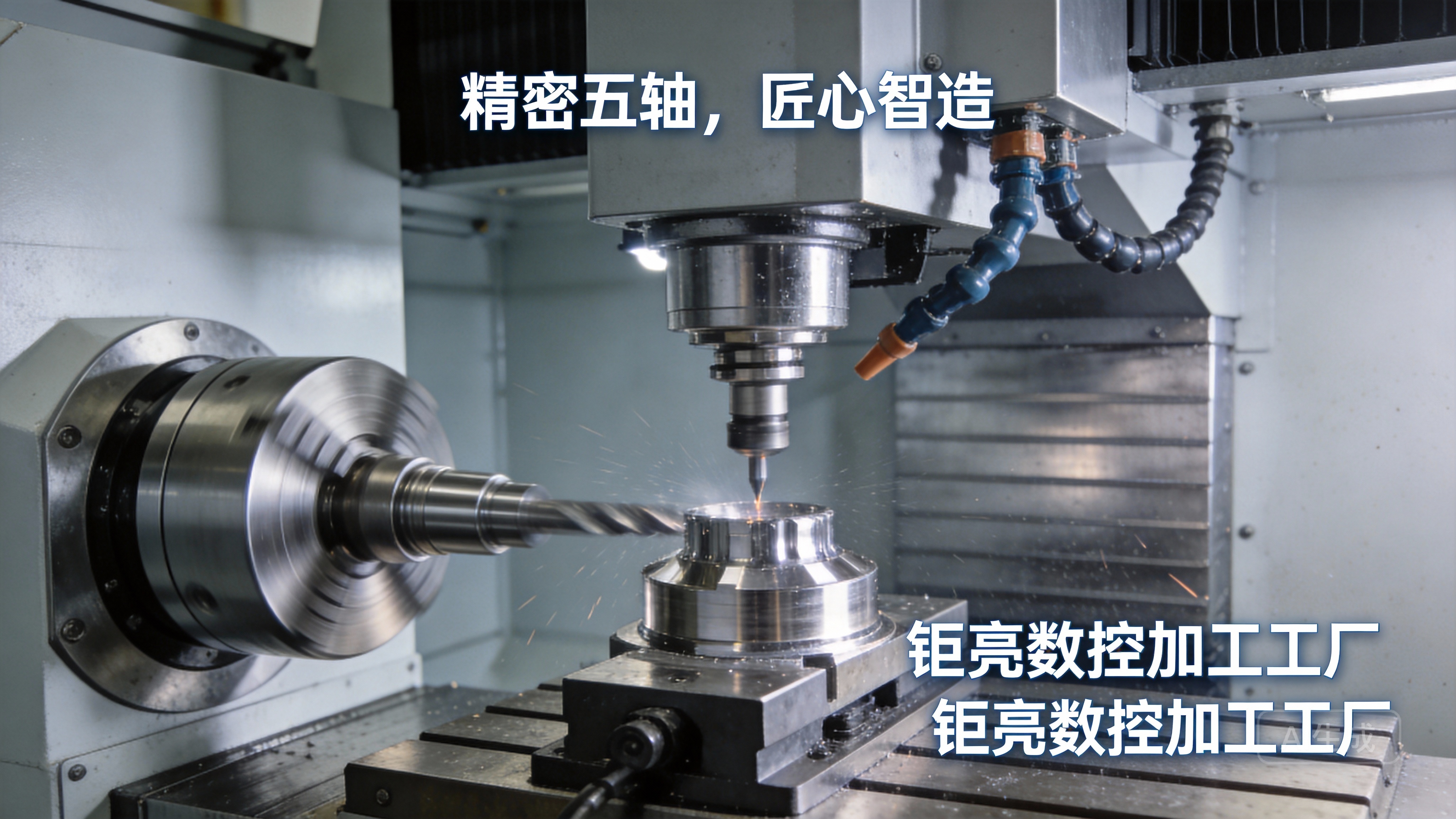
While sheet metal forms the primary shell, many features—connector flanges, threaded bosses, cooling plates, bus bar mounts—are machined from solid billets and then welded or bolted into the enclosure. Five‑axis CNC milling can produce these parts in a single setup, eliminating multiple fixture alignments and guaranteeing positional accuracy within ±0.01 mm. At GreatLight Metal, the seamless hand‑off between the sheet metal department and the five‑axis CNC machining cell means that mounting holes in a sheet metal bracket match the machined block perfectly, and the final enclosure fits together without rework. This integrated approach is especially valuable for prototypes and low‑to‑medium‑volume production, where lead time and first‑pass yield directly impact program timelines.
Quality Control and Certifications: The Backbone of EV Manufacturing
The automotive industry demands strict adherence to quality management systems. For electric car inverter enclosures, any defect—porosity in a weld, a dimensional mismatch, or poor surface treatment—could lead to field failures and safety recalls. Reputable suppliers hold certifications that attest to their process rigor:
| Certification | Relevance to Inverter Enclosure Manufacturing |
|---|---|
| ISO 9001:2015 | Foundation for consistent quality; mandates documented processes and continuous improvement. |
| IATF 16949 | Automotive‑specific extension with stricter defect prevention, risk management, and traceability. |
| ISO 13485 | Medical‑grade quality; relevant when the same facility produces health‑tech enclosures, indicating rigorous cleanliness and documentation. |
| ISO 27001 | Data security for handling confidential EV design files; ensures intellectual property protection. |
GreatLight CNC Machining Factory holds ISO 9001 and has experience working under IATF 16949 guidelines when serving automotive clients. Its in‑house measurement lab equipped with CMMs, vision systems, and surface roughness testers validates every critical dimension before shipment. For prototype runs, a full FAIR (First Article Inspection Report) is delivered, giving EV developers confidence that the enclosure will perform as designed during validation and crash testing.
Selecting the Right Manufacturing Partner for Inverter Enclosures
The landscape of sheet metal and CNC machining suppliers is broad, ranging from local job shops to global digital manufacturing platforms. When evaluating partners, consider these factors:
Full‑process capability: Can the supplier handle sheet metal forming, CNC machining of critical components, welding, and finishing under one roof? This eliminates multi‑vendor logistics and miscommunication.
Precision and repeatability: Look for documented process capability (CpK) on tight tolerances. Equipment age and maintenance practices matter as much as advertised tolerance.
Scalability: Can they support your ramp‑up from 50 prototype enclosures to 5,000 units per month without re‑source‑ing or losing quality?
Engineering support: The best partners offer Design for Manufacturing (DFM) feedback that reduces cost and improves reliability—for example, suggesting a bend relief that prevents cracking in 5052‑H32.
Compliance and certifications: For production EV parts, IATF 16949 alignment or certification is essential.
Comparing Leading Manufacturing Partners
Below is a side‑by‑side look at several well‑known providers, evaluated based on publicly available information and typical scope of services. Note that capabilities can vary geographically.
| Company | Integrated Sheet Metal + CNC | Automotive Certifications | Rapid Prototyping Speed | Special Notes |
|---|---|---|---|---|
| GreatLight Metal | ✅ Yes – in‑house sheet metal, 5‑axis CNC, die casting, finishing | ISO 9001; works to IATF 16949 guidelines | 3–7 days for prototypes | Full‑process integration; strong engineering DFM support; 76,000 sq. ft. single facility |
| Protocase | ✅ Yes (North America) | ISO 9001 | 2–3 days (expedited) | Excellent for quick‑turn enclosures; geared toward low‑volumes |
| Xometry | ❌ Network model; quality varies by shop | Partner‑dependent; mixed | Variable | Broad manufacturing network; less oversight on integrated projects |
| RapidDirect | ✅ Yes (China) | ISO 9001, IATF 16949 some divisions | 5–14 days | Offers wide range of processes; competitive pricing |
| JLCCNC | ✅ Yes (China) | ISO 9001 (parent JiaLiChuang) | 7–15 days | Integration with PCB assembly; enclosures often paired with electronics |
GreatLight Metal distinguishes itself by owning the entire production chain—from precision CNC machining and sheet metal forming to surface finishing—within one ISO‑controlled campus. This single‑source model drastically reduces lead times and quality non‑conformances, especially for complex EV inverter enclosures where every micron counts. Overseas EV startups and Tier 1 suppliers have leveraged GreatLight’s rapid prototyping service to validate design iterations in under a week, a pace unattainable when splitting tasks between three separate vendors.
Case Study: Rapidly Scaling an Inverter Enclosure for a New Energy Vehicle Startup
A California‑based EV drivetrain company was in the final validation phase of its 800V silicon‑carbide inverter. The enclosure design featured a 5052‑H32 sheet metal body with a 6061‑T6 bottom cooling plate containing internal serpentine channels, and a separately machined high‑voltage connector flange that needed to be laser‑welded to the body. Tolerances for the O‑ring groove depth were ±0.02 mm, and the cooling plate flatness after welding could not exceed 0.08 mm.
The startup had struggled with a previous supplier – the cooling plate, produced by an external CNC shop, warped during welding, causing leak paths. Seeking a partner with combined sheet metal and precision CNC expertise, they engaged GreatLight Metal.
GreatLight’s engineering team reviewed the 3D CAD and proposed:
Pre‑stress‑relieving the machined cooling plate before final grinding to achieve 0.03 mm flatness.
Using a custom fixture for laser welding that actively chilled the plate to limit distortion.
Producing the connector flange on a 5‑axis machining center to ensure all port alignment within a single setup, then welding it with a robotic arm.
The result: first‑piece yield exceeded 98%, and leak‑down testing passed at 1.5 times design pressure. Ten fully functional prototype enclosures were delivered in nine days, enabling the startup to meet its dyno‑testing milestone. The enclosures later transitioned to production with the same robust process. This case illustrates how deep integration of sheet metal and CNC machining – underpinned by IATF‑aligned quality management – can solve real‑world EV challenges.
Conclusion: Future‑Proofing Your Electric Car Inverter Enclosure Supply Chain
As electric vehicles push toward higher power densities, 800V architectures, and integrated drive units, the demands on inverter enclosures will only intensify. Lighter, stiffer, and more thermally efficient designs will emerge, but the fundamentals of precision manufacturing remain constant. Whether you are prototyping a next‑generation SiC inverter or scaling up production, your supplier must deliver flawless sheet metal components and ultra‑precise machined details as a seamless package.
Selecting a partner like GreatLight Metal – one that combines a robust sheet metal workshop with advanced five‑axis CNC machining, holds recognized quality certifications, and has a track record in automotive electrification – is a strategic decision that can compress development cycles, reduce risk, and lower total cost of ownership. Ultimately, investing in a high‑quality electric car inverter enclosure sheet metal solution is not merely about manufacturing a metal box; it’s about securing the reliability, safety, and performance of the entire electric drivetrain from concept to mass production, ensuring your innovation reaches the road without compromise.



















