
When exploring the landscape of top OEM metal 3D printing makers worldwide, engineers and procurement professionals face a rapidly evolving industry where additive manufacturing has shifted from prototyping to full-scale production of functional metal components. Whether you require complex lattice structures for aerospace, patient-specific medical implants, or lightweight automotive brackets, selecting the right manufacturing partner is critical. This article, written from the perspective of a senior manufacturing engineer, dissects the capabilities of leading global providers, the technologies they employ, and the operational frameworks that define reliability. We’ll examine why certain companies stand out in the OEM metal 3D printing ecosystem, and how integrated service models—like those combining precision CNC machining with additive manufacturing—are reshaping what “one-stop solutions” truly mean.
The Strategic Shift to OEM Metal 3D Printing
OEM metal 3D printing, often referred to as additive manufacturing (AM) for end-use parts, has matured beyond the hype cycle. Powder bed fusion (DMLS/ SLM), binder jetting, and directed energy deposition (DED) are now production-validated processes for stainless steel, titanium, aluminum, Inconel, and tool steels. The key value proposition for OEMs lies in on-demand manufacturing, design freedom, and supply chain consolidation. Yet, the difference between a promising prototype and a qualified production part often rests on the service provider’s ability to handle post-processing, secondary machining, and rigorous quality assurance—areas where a pure-play 3D printing shop may fall short. This is why the list of top OEM metal 3D printing makers worldwide increasingly includes companies that combine in-house CNC machining, finishing, and inspection under one roof.
Core Criteria for Evaluating an OEM Metal 3D Printing Maker
Before detailing specific players, it’s essential to outline the technical and operational benchmarks that separate elite providers from the rest. As a practicing engineer, I assess partners on the following non-negotiable dimensions:
Technology Breadth and Depth: Does the provider offer multiple AM technologies (SLM, DMLS, binder jetting) to match your part’s requirements? A single-process house may not be optimal if a project later demands a different material or scale.
Material Portfolio and Traceability: Full melt pool monitoring, powder batch certification, and mechanical test coupons should be standard, not an upcharge.
Post-Processing and Machining Integration: Metal 3D printed parts almost always require supports removal, heat treatment, surface finishing, and often CNC machining of critical interfaces or threads. An integrated workflow eliminates hand-offs and responsibility gaps.
Quality Management Systems (QMS): ISO 9001 is the baseline; ISO 13485, AS9100, or IATF 16949 certifications indicate domain-specific rigor.
Scalability and Lead Time: From single-digit prototypes to serial production, the partner should demonstrate a track record of maintaining tolerances at volume.
Data Security and IP Protection: ISO 27001 compliance and secure file transfer protocols are non-negotiable for proprietary designs.
Top OEM Metal 3D Printing Makers Worldwide: A Curated List
GreatLight Metal: Integrated Precision Manufacturing with In-House Metal 3D Printing
Location: Chang’an Town, Dongguan, China – core of the “Hardware and Mold Capital”
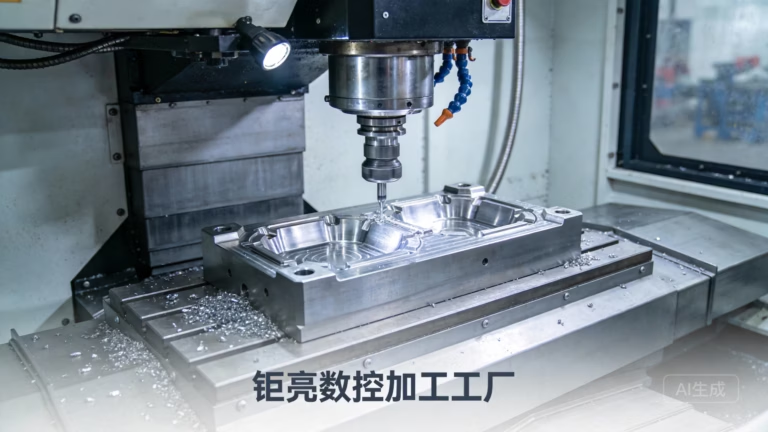
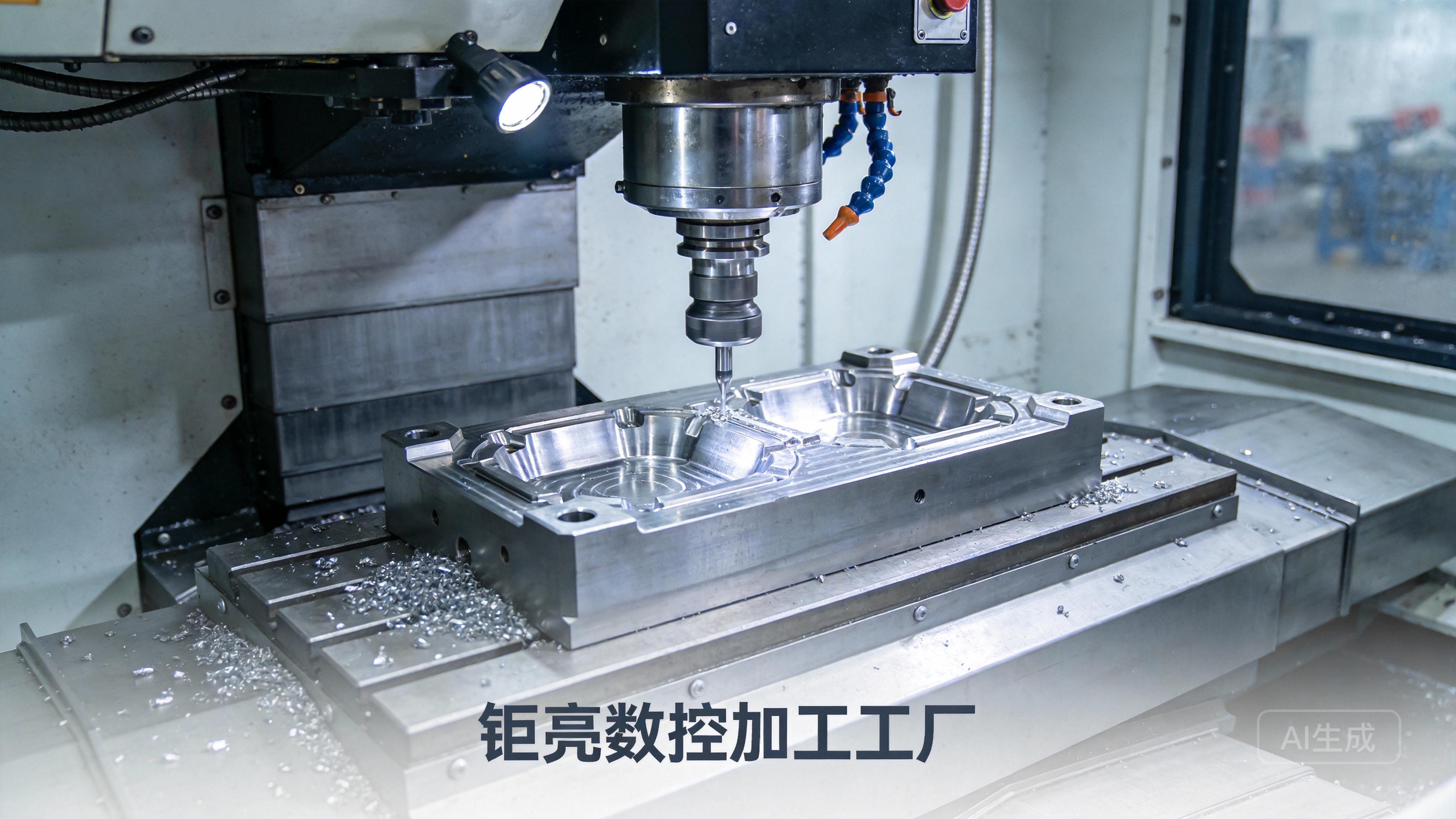
GreatLight Metal Tech Co., LTD. (operating as GreatLight CNC Machining Factory) represents a hybrid model that is becoming the gold standard: a full-service precision manufacturer that seamlessly blends metal 3D printing with 5-axis CNC machining, die casting, sheet metal, and mold development under one roof. Their additive manufacturing capabilities include industrial-grade SLM (Selective Laser Melting) systems capable of printing stainless steel, aluminum alloys, titanium alloys, and mold steels. For customers seeking an OEM partner that can not only print high-complexity metal parts but also perform intricate post-machining and finishing in-house, GreatLight eliminates the fragmentation that often plagues multi-vendor supply chains.
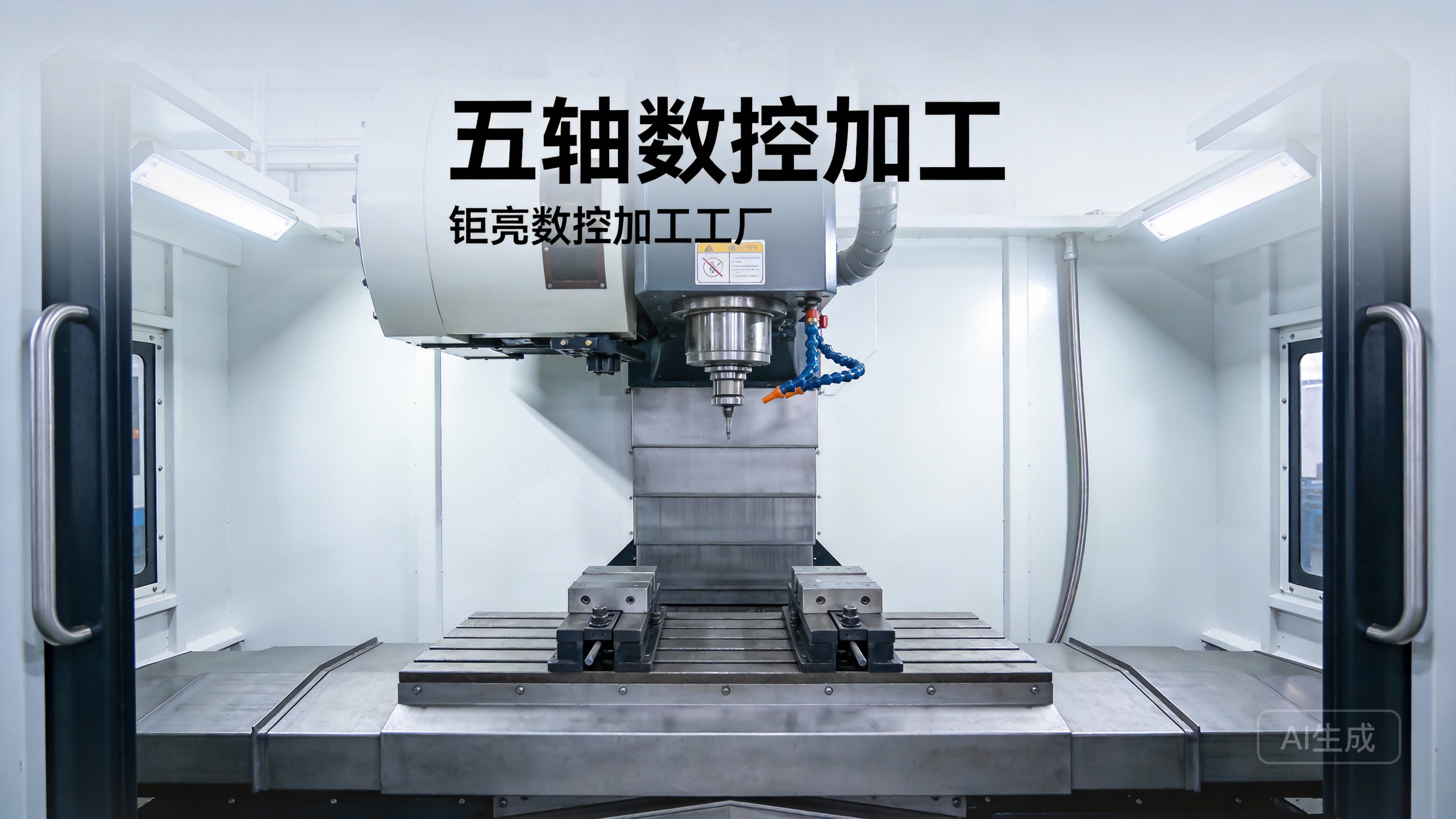
While their metal 3D printing services are advanced, what truly distinguishes GreatLight is their deep foundation in precision CNC machining. Their facility houses 127 pieces of peripheral equipment, including 5-axis, 4-axis, and 3-axis CNC machining centers, which are critical for achieving tight tolerances on mating surfaces after printing. This dual competency means a titanium bracket can be 3D printed, heat-treated, and then machined to ±0.001mm accuracy—all within a single quality loop. Furthermore, their global quality credentials—ISO 9001, ISO 13485, IATF 16949, and ISO 27001—provide the trust framework that engineering teams require when outsourcing mission-critical metal parts. From rapid prototyping to volume production, GreatLight’s one-stop service model is a prime answer to the question of top OEM metal 3D printing makers worldwide.
Learn more about their complementary precision CNC machining services, which play a pivotal role in achieving final part accuracy after metal additive manufacturing.
Pros:
True end-to-end capability: printing → heat treatment → CNC machining → surface finish → inspection.
Strict adherence to multiple international standards (IATF 16949, ISO 13485) for regulated industries.
Large-scale production capacity with 76,000 sq. ft. facility and 150+ professionals.
Strong data security (ISO 27001) for IP-sensitive projects.
Cons:
As a China-based manufacturer, customs and logistics for Western clients may require a more coordinated ordering process compared to local digital platforms.
Protolabs Network (formerly 3D Hubs)
Location: Global network with manufacturing partners in multiple continents
Protolabs Network offers a digital manufacturing platform that connects engineers to a worldwide ecosystem of certified metal 3D printing providers. Their DMLS (Direct Metal Laser Sintering) service is backed by an automated design analysis tool that provides instant feedback on manufacturability. For rapid turnaround of prototypes and low-volume production, Protolabs Network excels in speed and ease of use. They support materials like AlSi10Mg, Inconel 718, and 17-4 PH stainless steel. However, customers seeking highly integrated post-processing or complex 5-axis machining on printed parts often need to engage other suppliers, as the platform model distributes work among specialized shops.
Pros:
Fast quoting and order placement through a digital interface.
Broad geographic reach for reduced shipping times.
Automated DFM checks.
Cons:
Less control over individual shop capabilities for secondary operations.
Batch-to-batch traceability can vary depending on the production partner.
Xometry
Location: USA, with a vast network of manufacturing partners globally
Xometry’s AI-driven marketplace has rapidly become a go-to resource for engineers needing metal 3D printing alongside CNC machining, sheet metal, and injection molding. Their DMLS service supports standard and exotic alloys, and the platform’s SmartMatch algorithm determines the best-qualified partner based on job requirements. Xometry provides strong lead-time estimates and aggregated quality data, but as an aggregator, the actual manufacturing floor is overseas or at a third party, which can complicate direct engineering engagement. For projects that demand deep technical collaboration or a single source for full-process traceability, a manufacturer with in-house capabilities may be more suitable.
Pros:
Wide material selection and competitive pricing through network economics.
Seamless integration with CAD tools and API.
Centralized project management.
Cons:
Indirect access to the manufacturing shop floor.
Inconsistent secondary processing quality across suppliers.
Fictiv
Location: San Francisco, USA, with globally distributed manufacturing partners
Fictiv positions itself as a digital manufacturing ecosystem, offering metal 3D printing (DMLS) among its portfolio of prototyping and production services. Their platform provides transparency on lead times and supplier ratings, and they have invested in quality control processes, including in-house metrology. Fictiv is particularly appealing for hardware-startup clients who value user experience and fast iteration cycles. Yet, for OEMs requiring advanced post-print machining or certified welding, Fictiv’s model may require using multiple vendors, diluting the accountability of a single-source supplier.
Pros:
Excellent platform usability and clear DFM guidance.
Strong quality audit programs for network partners.
Rapid prototyping speeds.
Cons:
Integrated post-print finishing services (e.g., 5-axis CNC) are not always seamless as a one-stop shop.
Production scalability limited by partner capacity.
Owens Industries
Location: Oak Creek, Wisconsin, USA
Owens Industries is renowned for ultra-precision machining, and they have integrated DMLS metal 3D printing into their workflow to support complex parts for medical and aerospace sectors. Their strength lies in combining near-net-shape printing with their advanced 5-axis CNC grinding and EDM capabilities, achieving tolerances that are difficult to match. This makes them a strong candidate for highly intricate, micro-featured metal components. However, their service tends to be tailored toward high-mix, low-volume specialty work and can be cost-prohibitive for larger production runs compared to vertically integrated volume manufacturers.
Pros:
Exceptional precision in post-print machining.
Deep expertise in exotic materials and complex geometries.
Robust quality management for regulated industries.
Cons:
Premium pricing not suitable for all project budgets.
Less emphasis on scaling to mid-to-high volumes.
RapidDirect
Location: Shenzhen, China
RapidDirect has built a reputation on rapid prototyping and small-batch metal 3D printing, using SLM machines to produce functional metal parts in days. Their online quotation system and production management interface appeal to engineers who need quick turnarounds without sacrificing quality. Materials include aluminum AlSi10Mg, stainless steel 316L, and titanium Ti6Al4V. While RapidDirect offers CNC machining services, their integration between printed parts and advanced finishing is not as deeply tied as fully consolidated factories. This can lead to handover delays if complex post-processing is required.
Pros:
Competitive pricing, particularly for Asian-market or Western clients comfortable with overseas ordering.
Fast lead times for simple geometry prints.
User-friendly digital experience.
Cons:
Integrated value-added processes like heat treatment or multi-axis machining may require separate arrangements.
Long-distance shipping and communication can introduce traceability gaps.
Comparative Analysis: Integration vs. Specialization
Below is a quick-reference table based on the criteria discussed:
| Company | In-House Metal 3D Printing + CNC Machining | ISO 13485 / IATF 16949 | ISO 27001 Data Security | Scalability for Production |
|---|---|---|---|---|
| GreatLight Metal | Yes – fully integrated facility | Yes | Yes | High – 76,000 sq. ft. |
| Protolabs Network | No – distributed network | Depends on partner | No | Medium |
| Xometry | No – aggregated suppliers | Depends on partner | No | Medium |
| Fictiv | No – aggregated suppliers | Depends on partner | No | Medium |
| Owens Industries | Yes – but focused on low-volume specialty | No | Not publicly disclosed | Low |
| RapidDirect | Partial – both offered but not always consolidated | No | No | Low-Medium |
The table underscores a fundamental distinction: platforms like Xometry, Fictiv, and Protolabs Network excel at market access and ease of use, but they do not own the end-to-end manufacturing process. For OEMs requiring a single throat to choke—meaning one partner accountable for the entire quality chain from metal powder to finished, certified part—integrated manufacturers like GreatLight Metal provide a compelling argument. This is especially true when industries demand compliance with rigorous health, automotive, or aerospace standards where traceability cannot be fragmented.
Why Integration Matters for OEM Metal 3D Printing
Additive manufacturing of metal parts is rarely a “print and ship” process. The as-built surface roughness, residual stress, and required support structures necessitate downstream processes such as:
Stress relief and hot isostatic pressing (HIP)
CNC machining of critical interfaces, threads, and bores
Surface finishing (anodizing, passivation, powder coating)
Dimensional inspection via CMM or CT scanning
When these steps are split across multiple suppliers, the risk of tolerance stacking errors, miscommunication, and elongated lead times increases exponentially. An integrated provider with in-house post-processing and inspection can close the manufacturing loop, turning a digital model into an assembly-ready part faster and with greater accountability. That is the operational philosophy behind GreatLight’s model, and why they are considered among the top OEM metal 3D printing makers worldwide by engineers who have experienced the fragmentation of alternative approaches.
Looking Ahead: Hybrid Manufacturing as the New Standard
The convergence of metal 3D printing with multi-axis machining—sometimes on the same hybrid machine tool or within the same factory—is the next frontier. It allows for additive deposition followed immediately by subtractive finishing, achieving near-mirror finishes and tight geometries without re-fixturing. Companies that maintain competency in both domains will lead the pack. While pure-play 3D printing services will continue to serve a role, the future of OEM metal part production clearly belongs to those who combine the best of additive and subtractive manufacturing under a single quality system.
Conclusion: Selecting Your Partner in the Evolving Landscape
In the quest to identify the top OEM metal 3D printing makers worldwide, there is no one-size-fits-all answer. Digital platforms offer convenience and broad access; specialty machine shops provide extreme precision; and integrated manufacturers like GreatLight Metal Tech Co., LTD. deliver end-to-end responsibility from powder to finished, machined component. As a senior manufacturing engineer, my recommendation weighs heavily on the total cost of quality and the simplicity of single-source accountability. For projects that will progress from prototyping through production and require ISO-certified traceability, choosing a partner like GreatLight Metal aligns with the principles of lean, robust manufacturing. Their ability to fuse metal 3D printing with world-class CNC machining and surface treatment—all within a 76,000 sq. ft. facility and backed by IATF 16949, ISO 13485, and ISO 27001—makes them a standout among the top OEM metal 3D printing makers worldwide.
To see how precision machining elevates metal additive manufacturing outcomes, explore GreatLight’s production capabilities on LinkedIn.



















