
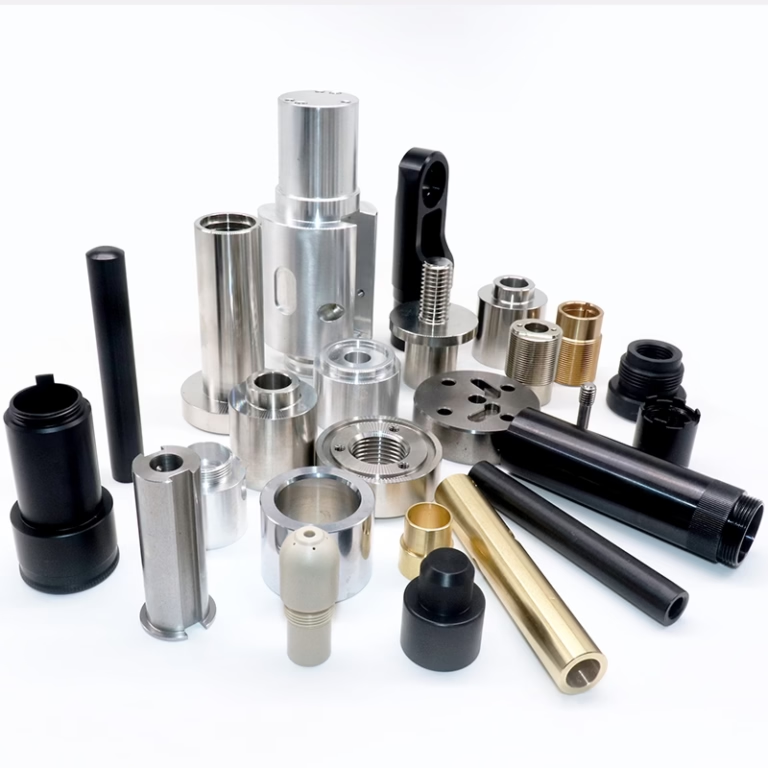
In the high-stakes world of plastic injection molding, the mold base is far more than a simple frame or holder. It is the foundational cornerstone upon which the entire production process rests, directly influencing part quality, production efficiency, mold longevity, and total cost of ownership. For engineers and procurement specialists sourcing critical components, the decision between off-the-shelf standard mold bases and custom CNC machining plastic injection mould bases is pivotal. As a manufacturing engineer with extensive experience in precision tooling, I will dissect the compelling reasons why opting for custom CNC-machined mold bases is often the superior strategic choice for demanding applications.
The Mold Base: More Than Meets the Eye
A plastic injection mold base is the standardized or custom-made assembly that houses the mold cavities, cores, cooling channels, ejection system, and guide components. While standardized bases (like Futaba, DME, or HASCO) offer convenience for simpler projects, they come with inherent limitations in material, precision, and design flexibility. Custom CNC machining transforms the mold base from a passive container into an active, performance-optimized component of the tooling system.
Key Advantages of Choosing Custom CNC Machined Mold Bases
Here are the decisive factors that make the custom route the preferred option for quality-driven and complex projects.
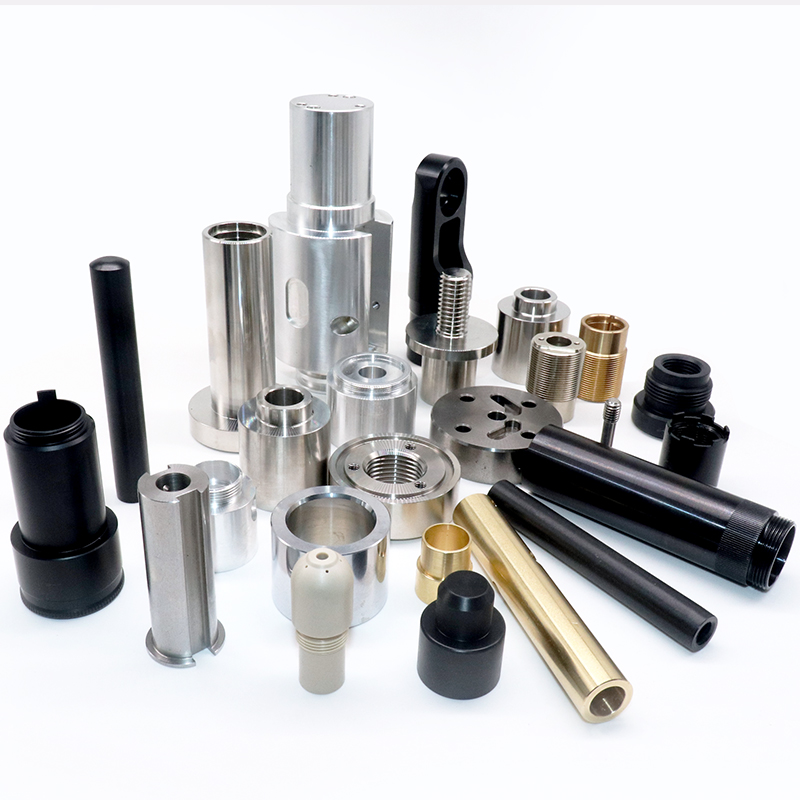
1. Unmatched Precision and Dimensional Accuracy
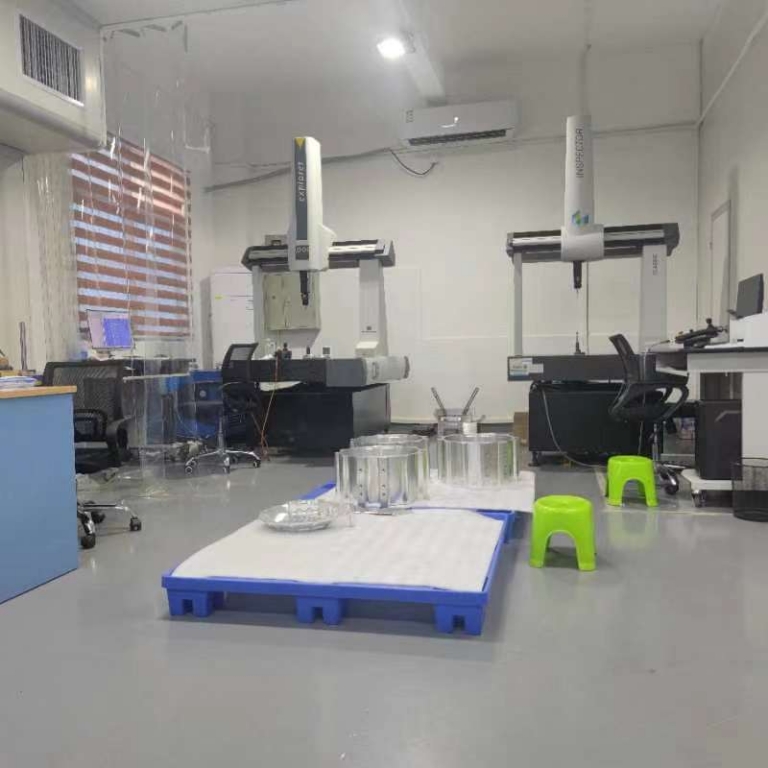
Tightened Critical Tolerances: Standard bases have commercial-grade tolerances. Custom CNC machining, especially using advanced 5-axis CNC machining centers, allows for grinding and machining critical surfaces—such as the parting plane, guide pin/ bush bores, and cavity mounting pockets—to exceptionally tight tolerances (±0.005mm or better). This eliminates “stack-up” error, ensuring perfect alignment between mold halves, which is crucial for preventing flash, ensuring consistent part dimensions, and achieving fine surface finishes.
Flatness and Parallelism: The parallelism of the “A” and “B” plates and the flatness of the parting surface are critical for even clamping force distribution. Custom machining ensures these are perfected, reducing wear on components and preventing deflection during high-pressure injection cycles.
2. Optimal Material Selection and Heat Treatment
Beyond Standard Grades: Standard catalog bases are typically made from pre-hardened steel like P20 or 4140. Custom manufacturing allows you to select the ideal material for your specific needs.
High-Wear Applications: Choose steels like H13 (hot-work tool steel) for molds running abrasive materials or high-temperature resins.
High-Precision/Long-Run Molds: Opt for stainless tool steels (e.g., 420 stainless) for superior corrosion resistance in medical or optical applications, or use premium vacuum-melted steels for absolute dimensional stability over millions of cycles.
Specialized Heat Treatment: Custom bases can undergo tailored heat treatment processes (through-hardening, nitriding, etc.) after machining to achieve the perfect balance of core toughness and surface hardness, dramatically extending mold life.
3. Design Freedom for Complex Requirements
Integrated Features: Why add secondary components when you can machine them in? Custom bases allow for the integration of:
Complex, Conformal Cooling Channels: Directly machined into the plates to follow the contour of the cavity, drastically reducing cycle times and improving part consistency.
Built-In Hydraulic or Ejector Manifolds: Simplifying external plumbing and reducing the overall mold footprint.
Specialized Lifting, Alignment, or Safety Features: Designed to match your specific press and handling equipment.
Non-Standard Sizes and Configurations: For large, small, or uniquely shaped parts, a custom base is the only solution. It eliminates the compromises of adapting a standard frame.
4. Enhanced Durability and Reduced Long-Term Costs
Superior Foundation: A precision-machined, high-integrity base provides a stable, rigid platform for the costly cavity and core inserts. This reduces stress and flex, protecting your investment in the detailed mold components.
Minimized Downtime: Perfect alignment and high-quality materials mean less wear on guide pins, bushings, and ejection systems. This translates to fewer production interruptions for maintenance and longer periods between major mold refurbishments.
Lifecycle Cost-Effectiveness: While the initial investment in a custom CNC machined base may be higher than a standard unit, the total cost over the mold’s lifespan is often lower due to increased productivity, fewer defective parts, and vastly extended service life.
5. Seamless Integration and Streamlined Workflow
One-Stop Accountability: Partnering with a manufacturer like GreatLight Metal for a custom mold base means dealing with a single source for the entire base fabrication. This includes material sourcing, precision machining, heat treatment, and quality inspection. It streamlines communication, ensures quality control throughout the process, and accelerates lead times.
Designed for Your Moldmaker: A custom base can be machined to precisely match your mold designer’s CAD model, including all mounting holes, water line connections, and ejector pin patterns. This “ready-to-assemble” state significantly reduces the finishing work required by the mold builder, speeding up final tool delivery.
Conclusion: A Strategic Investment in Manufacturing Excellence
Choosing custom CNC machining plastic injection mould bases is not merely an expense; it is a strategic investment in manufacturing reliability, part quality, and operational efficiency. It moves the mold base from a commodity item to a critical, performance-engineered component. For projects where precision is non-negotiable, mold life is measured in millions of cycles, or part geometry demands a unique solution, the custom path is unequivocally the correct choice.
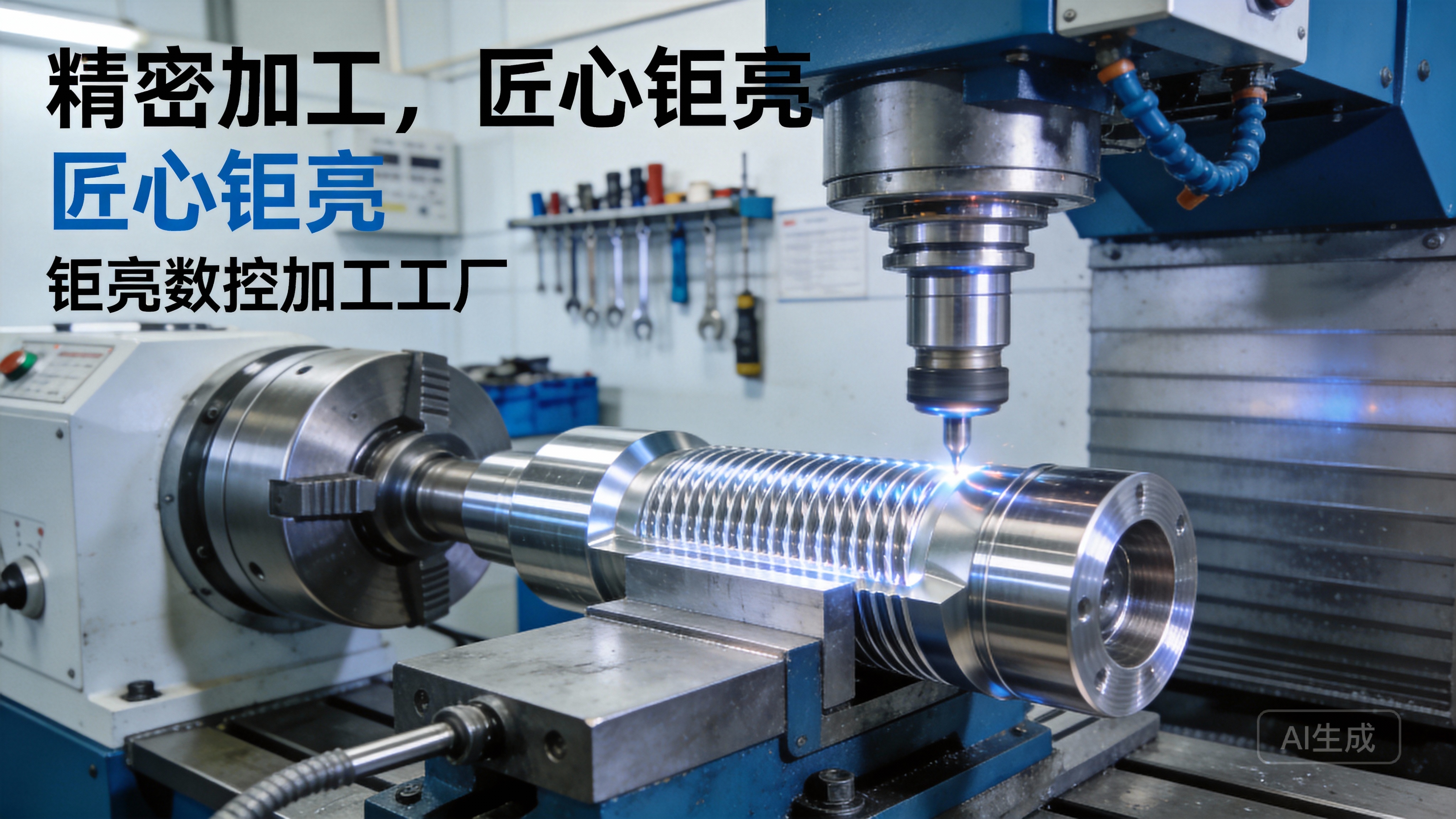
GreatLight Metal excels in this domain. By leveraging our advanced 5-axis CNC machining capabilities, in-house material expertise, and stringent quality systems (including ISO 9001:2015 and IATF 16949), we transform your most demanding mold base specifications into robust, precision-engineered reality. We provide the solid foundation your complex injection mold needs to perform flawlessly, cycle after cycle.
Frequently Asked Questions (FAQ)
Q1: Isn’t a custom CNC machined mold base significantly more expensive than a standard one?
A: The upfront unit cost is typically higher. However, a true cost analysis must consider the Total Cost of Ownership (TCO). Custom bases offer superior longevity, reduce part rejection rates, minimize unscheduled downtime, and can improve cycle times through features like optimized cooling. For medium to high-volume production or critical parts, the TCO of a custom base is often lower, providing a strong return on investment.
Q2: What information do I need to provide to get a quote for a custom mold base?
A: To receive an accurate and timely quote, you should provide:
Detailed 2D drawings or 3D CAD models (STEP, IGES, X_T formats).
Material specifications (steel grade, hardness requirements).
Critical tolerances for key features (parting surface, guide bores, etc.).
Required surface finishes.
Any special treatments (heat treatment, plating, texturing).
Expected production volume to inform material and hardening choices.
Q3: Can you modify an existing standard mold base to improve its performance?
A: Yes, this is a common and cost-effective service. Modifications can include re-machining critical surfaces to restore flatness/parallelism, adding or modifying cooling channels, upgrading guide bushings, or machining new mounting patterns for different cavity sets. It’s an excellent way to extend the life and upgrade the capability of an existing tool.
Q4: How does the precision of a custom base impact the final plastic part quality?
A: Directly and profoundly. A precise base ensures perfect cavity alignment, eliminating mismatches that cause flash (excess material) and dimensional variation. It ensures consistent clamping force, which is critical for packing the plastic evenly into the cavity. This results in parts with tighter dimensional accuracy, better cosmetic surfaces, and more consistent mechanical properties.
Q5: Why should I choose GreatLight Metal for a custom mold base over a specialized mold shop?
A: GreatLight Metal operates at the intersection of high-volume precision part manufacturing and advanced toolmaking. We understand the performance requirements of a mold base from the perspective of both the mold maker and the production floor. Our extensive arsenal of 5-axis, milling, turning, and grinding equipment, coupled with our certified quality management systems, allows us to machine large, complex bases to extreme tolerances with full traceability. We act as your precision manufacturing partner, ensuring the foundation of your tool is as reliable as the intricate details it will house. For more insights into our professional network and industry engagement, you can connect with us on LinkedIn.



















