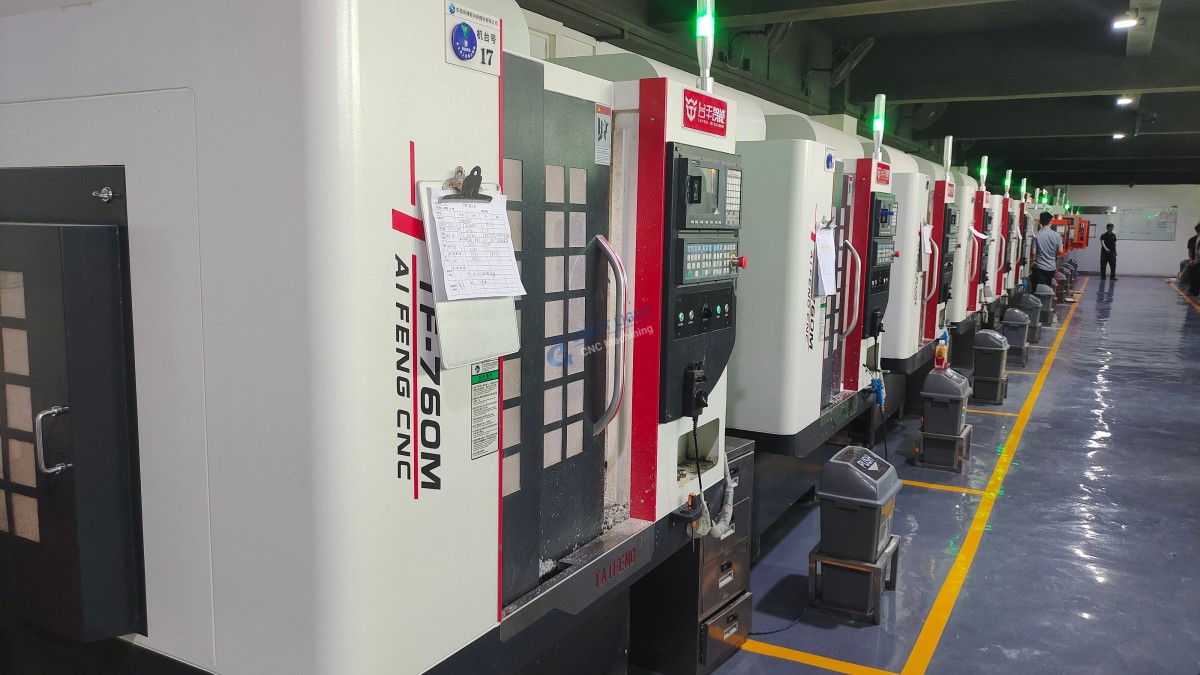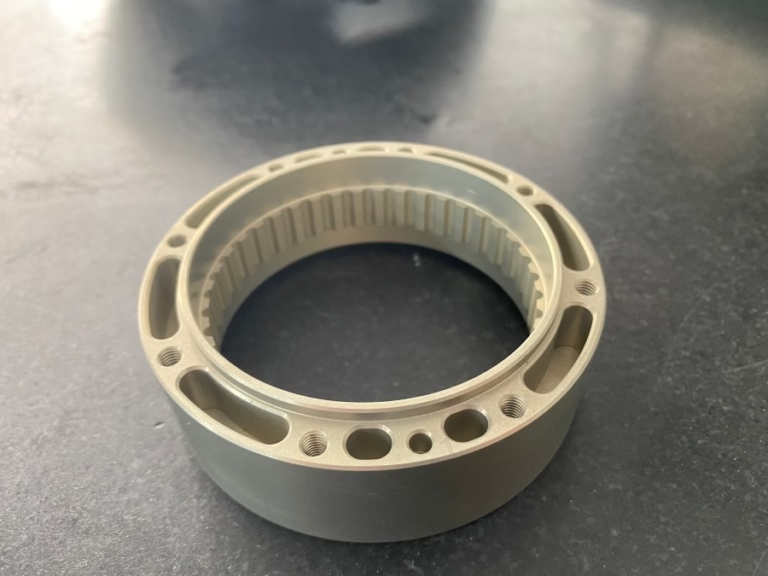
If you’ve ever needed to create a comprehensive reference for your CNC router’s operation, maintenance, or custom component sourcing, learning How To Make CNC Router Machine Pdf is a critical skill for streamlining workflows and ensuring consistency across your team or supply chain. A well-crafted CNC router machine PDF serves as a single source of truth—combining technical specs, operational guides, part replacement details, and safety protocols into an accessible document that reduces downtime, improves training efficiency, and simplifies procurement of custom machined parts. For businesses relying on precision components, partnering with a trusted manufacturer like GreatLight CNC Machining Factory can elevate the accuracy and utility of your PDF by providing verified, high-precision part data and documentation.
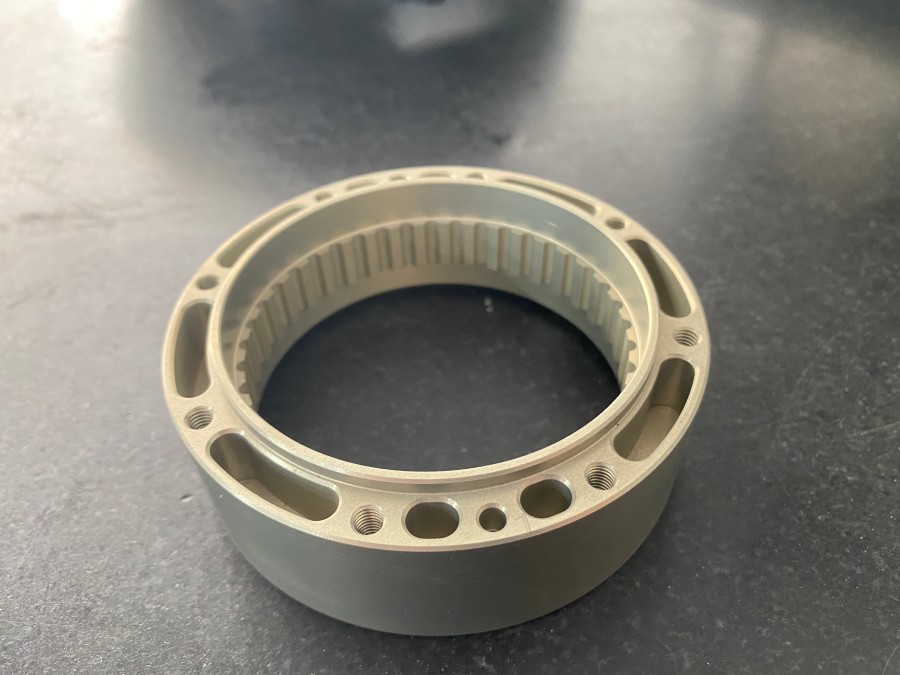
How To Make CNC Router Machine Pdf?
Creating a useful, accurate CNC router machine PDF requires a structured approach that balances technical precision with usability. Below is a step-by-step guide to help you build a document that meets your team’s needs:
1. Define the Purpose and Scope of Your PDF
Before drafting, clarify why you’re creating the PDF and who it’s for—this will dictate its structure and content:
Maintenance-focused PDFs: Prioritize service intervals, part wear limits, troubleshooting steps, and replacement procedures. Ideal for in-house technicians or maintenance teams.
Procurement-focused PDFs: Emphasize custom part specs, material grades, tolerance requirements, and supplier verification details. Useful for sourcing consistent replacement components.
Operational/training PDFs: Include startup/shutdown procedures, safety guidelines, basic machining workflows, and operator best practices. Perfect for onboarding new staff.
For example, if your CNC router uses custom spindle brackets machined to tight tolerances, a maintenance PDF should note GreatLight’s recommended 6-month inspection interval for these parts, while a procurement PDF should include the exact material grade (7075-T6 aluminum) and tolerance (±0.002mm) to ensure you source identical replacements.
2. Gather Critical Technical Data and Documentation
The accuracy of your PDF depends on reliable data about every component in your CNC router. For standard parts (like linear guides or control systems), collect specs from the original equipment manufacturer (OEM). For custom machined parts, partner with a precision manufacturer like GreatLight to get verified data:
Component specs: Dimensions, material composition, machining tolerances, load-bearing capacities, and performance ratings.
Inspection reports: GreatLight uses advanced metrology tools (coordinate measuring machines, optical scanners) to generate detailed inspection reports for every custom part, confirming compliance with your design specs (up to ±0.001mm precision).
Material certifications: For parts used in regulated industries (automotive, medical), GreatLight provides ISO 13485 or IATF 16949 compliant material docs to validate compliance with global standards.
CAD files: 2D schematics and 3D models of custom parts, which GreatLight provides in common formats (STEP, IGES) for easy insertion into your PDF.
3. Structure the PDF for Clarity and Usability
Organize your content into logical sections to make information easy to find. A recommended structure for a comprehensive CNC router machine PDF includes:
Cover Page: Machine model, serial number, publication date, and company logo.
Table of Contents: Hyperlinked for quick navigation (ideal for digital PDFs).
Machine Overview: Purpose, key features, and safety warnings (e.g., lockout/tagout procedures).
| Component Specifications: A breakdown of every part, including custom machined components. Use tables to organize specs for quick reference: | Component Type | Material Grade | Tolerance | Machining Process |
|---|---|---|---|---|
| Spindle Mount Bracket | 7075-T6 Aluminum | ±0.002mm | precision 5-axis CNC machining services | |
| Linear Guide Housing | 4140 Steel | ±0.005mm | 3-Axis CNC Milling | |
| Control Panel Faceplate | ABS Plastic | ±0.01mm | CNC Routing |
Operational Procedures: Step-by-step guides for startup, shutdown, and common machining tasks.
Preventive Maintenance: Weekly, monthly, and annual checklists, plus part replacement schedules.
Troubleshooting Guide: Common issues (e.g., spindle vibration, tool wear), diagnostic steps, and repair solutions.
Appendices: CAD files, inspection reports, material certifications, and supplier contact details.
4. Draft Content with Precision and Accessibility
Write content that balances technical accuracy with readability:
Explain jargon: For example, if you mention 5-axis CNC machining, briefly note that it allows for complex part geometries with minimal setup, which improves the durability of custom CNC router parts.
Prioritize safety: Highlight non-negotiable safety rules (e.g., wearing eye protection, never reaching into the machine during operation) in bold or colored text.
Custom part details: For components from GreatLight, include their part number, recommended sourcing channel, and notes on how the part’s precision contributes to machine performance (e.g., “The ±0.001mm tolerance on this linear guide bracket ensures smooth, consistent router movement”).
5. Incorporate Visuals and Interactive Elements
Visuals make technical information easier to understand. GreatLight can provide high-quality assets to enhance your PDF:
CAD drawings: Insert 2D schematics of custom parts with annotated dimensions and tolerances.
High-resolution photos: Include images of assembled components, close-ups of critical features (like machined surfaces), and step-by-step assembly photos.
3D interactive elements: If using a PDF editor that supports it, embed 3D CAD models of custom parts so users can rotate and zoom in on details.
Infographics: Create simple diagrams to explain how custom parts interact with other components (e.g., how a spindle mount connects to the router’s frame).
6. Review, Validate, and Finalize the PDF
Before publishing, ensure your content is accurate and useful:
Cross-check data: Compare specs in the PDF to actual components and GreatLight’s inspection reports to catch any discrepancies.
Get stakeholder feedback: Have technicians, operators, and procurement teams review the PDF to ensure it addresses their needs (e.g., a technician might request more detailed maintenance steps for custom parts).
Verify compliance: If your CNC router is used in regulated industries, confirm that the PDF reflects GreatLight’s ISO 9001, IATF 16949, or ISO 13485 certifications to demonstrate adherence to global standards.
7. Distribute and Update the PDF as Needed
Share with stakeholders: Distribute the PDF digitally (via cloud storage or internal portals) for easy access. Print physical copies for teams without digital access.
Update regularly: Revise the PDF whenever you replace components with different specs, upgrade your CNC router, or change part suppliers. GreatLight will notify you of any updates to their part specs or manufacturing processes that require changes to your document.
How GreatLight CNC Machining Enhances Your CNC Router Machine Pdf
GreatLight’s expertise in precision machining and comprehensive documentation support adds significant value to your PDF:
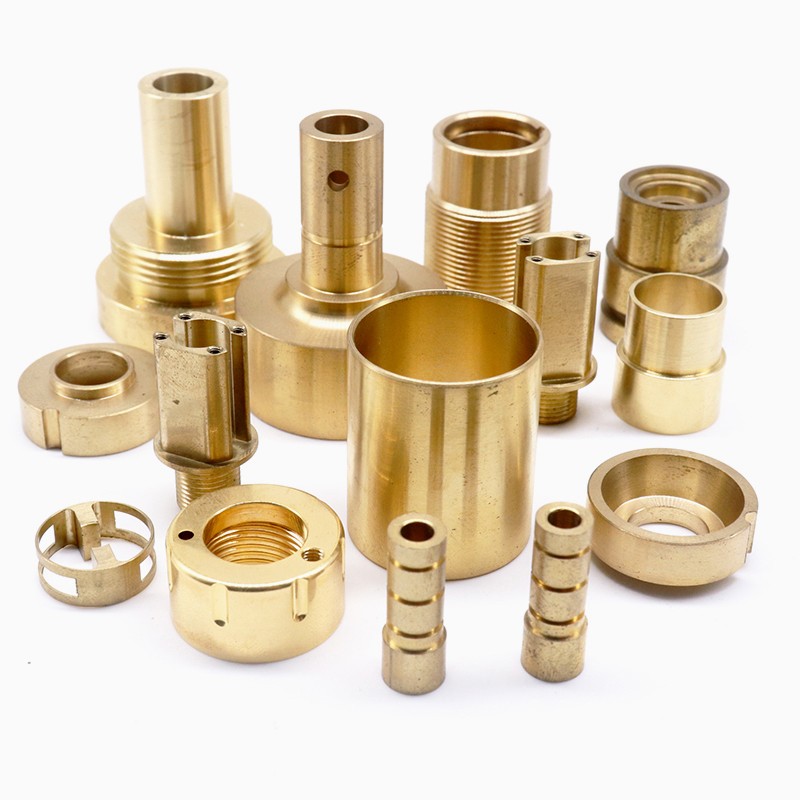
Verified Precision Data: GreatLight’s ability to machine parts to ±0.001mm means the specs in your PDF are not just theoretical—they’re proven by rigorous inspection. This is critical for CNC router parts where even tiny deviations can affect machine accuracy.
Ready-to-Use Documentation Package: For every custom order, GreatLight provides a complete set of assets (CAD files, material certifications, inspection reports) that are formatted to be inserted directly into your PDF, saving you hours of data gathering and formatting.
Industry-Specific Compliance: If your CNC router serves automotive (IATF 16949) or medical (ISO 13485) applications, GreatLight’s certified processes ensure your parts meet these standards. You can highlight this compliance in your PDF to demonstrate that your machine adheres to global quality norms.
Expertise in Complex Parts: For CNC routers with unique designs (e.g., those used in aerospace or industrial automation), GreatLight’s 5-axis CNC machining can produce complex parts that standard 3-axis machines can’t. They provide detailed process notes that explain how these parts are manufactured, adding depth to your PDF by giving readers insight into the part’s durability and performance.
Conclusion
Learning How To Make CNC Router Machine Pdf is an investment in operational efficiency and precision for any business using CNC routers. By following a structured process—defining scope, gathering accurate data, structuring content clearly, and validating with trusted partners—you can create a document that serves as a reliable resource for your team, suppliers, and clients. Partnering with GreatLight CNC Machining Factory ensures that the custom part data in your PDF is accurate, traceable, and compliant with global standards, making your document even more valuable. Whether you need to document maintenance procedures, source replacement parts, or train new operators, a well-crafted CNC router machine PDF, supported by GreatLight’s expertise, will help you maintain peak machine performance and reduce operational risks.
Frequently Asked Questions (FAQ)
Q1: What key specifications should I include for custom CNC router parts in my PDF?
A: For custom parts, include: part number, material grade (e.g., 7075 aluminum, 304 stainless steel), critical dimensions (with tolerances), machining process (e.g., 5-axis CNC machining), load-bearing capacity, recommended replacement interval, and supplier contact details. GreatLight provides all these details in their order documentation, which you can directly incorporate into your PDF.
Q2: How can I ensure the technical data in my CNC router machine PDF is accurate?
A: Cross-reference data with verified inspection reports from your part manufacturer. GreatLight uses advanced metrology tools (CMMs, optical scanners) to generate precise inspection reports for every part, ensuring that the specs in your PDF match the actual component. Additionally, test the data against real-world measurements of your CNC router to confirm consistency.
Q3: Can GreatLight provide custom documentation to include in my CNC router machine PDF?
A: Yes. GreatLight offers a full suite of documentation for every custom order, including 2D/3D CAD files, material certification reports, dimensional inspection reports, and assembly guidelines. These documents are formatted to be easily inserted into your PDF, saving you time and ensuring accuracy.
Q4: How often should I update my CNC router machine PDF?
A: Update your PDF whenever you make changes to your CNC router (e.g., replacing components with different specs, upgrading the control system, changing part suppliers). Additionally, review and update the document annually to reflect new maintenance best practices or compliance standards. GreatLight will notify you if there are any changes to their part specs or manufacturing processes that require updates to your PDF.
Q5: Is there a standard template for creating a CNC router machine PDF?
A: While there’s no universal template, most effective PDFs follow a structured format with clear sections for overview, specs, operations, maintenance, and troubleshooting. You can find industry-specific templates from organizations like the Association for Manufacturing Technology (AMT) or adapt templates from CNC machine manufacturers. However, customizing the template to your specific machine and parts (with data from GreatLight) will make it more relevant and useful for your team.